India's Supreme Court Confirms State Authority Over Online Gaming – Impact on Global Operators
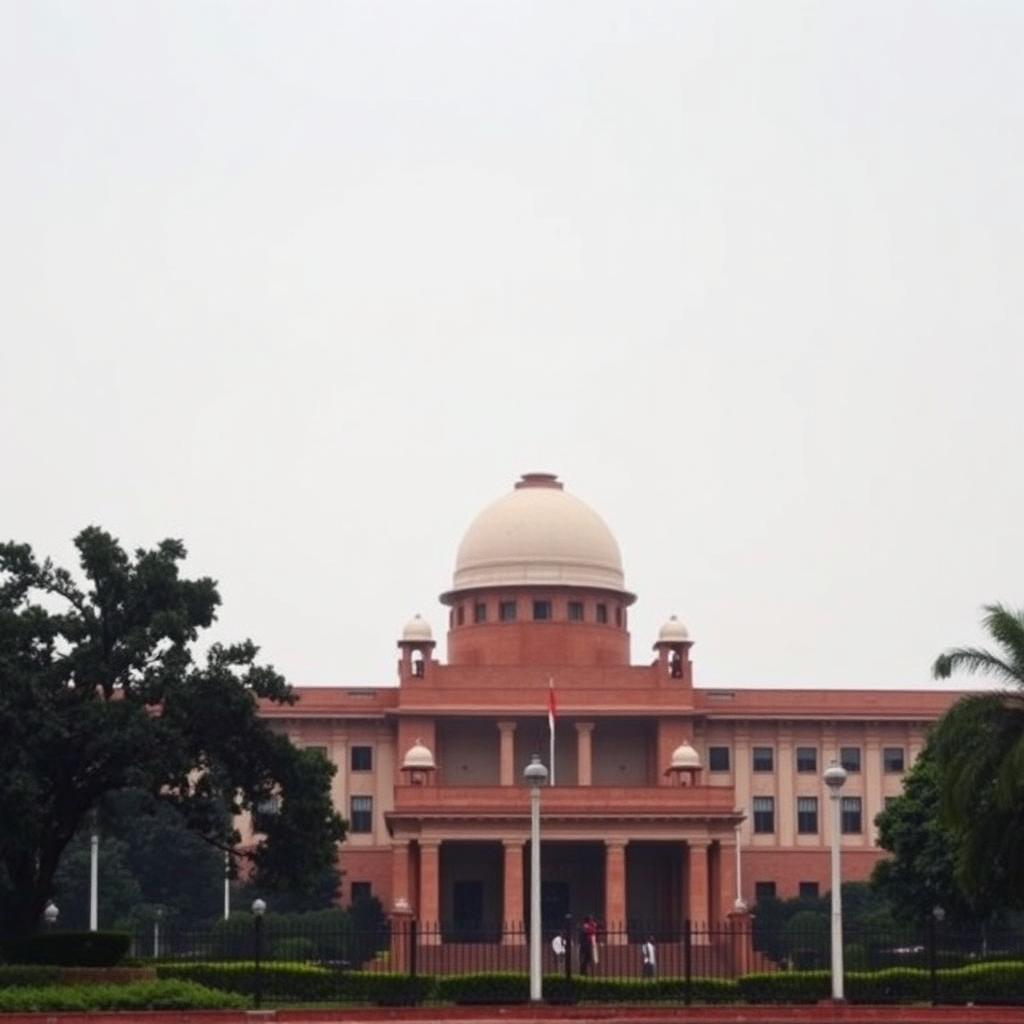
India's top court has ruled in a landmark decision that the 28 states have the right to regulate online gaming themselves. We unpack what this means for German players and international casino operators.
On 5 June 2026 the Supreme Court of India handed down a long-awaited landmark ruling confirming the right of India's 28 states to regulate online gaming and gambling themselves. As iGamingToday.com reported on 8 June, the Tamil Nadu Online Gaming Authority (TNOGA) had appealed against a Madras High Court judgment that had classified games of skill (rummy, poker, fantasy sports) as exempt from regulation. The Supreme Court ruled in favour of the states: they can license, restrict or ban skill games too.
In practice the decision touches a multi-billion-rupee market. According to the All India Gaming Federation (AIGF) India's online gaming industry generated INR 290bn in gross revenue in 2025 (around €3.2bn). Market leaders are Dream11 (fantasy cricket), Games24x7 (RummyCircle, My11Circle) and MPL. After the ruling these platforms face a patchwork of 28 different licensing regimes – a compliance nightmare.
International casino operators are also directly affected. Brands like 1xBet, Parimatch and Stake had targeted India as a growth market and exploited the gaps in federal regulation via Curaçao or Anjouan licences. With the new ruling, restrictive states like Tamil Nadu, Andhra Pradesh, Telangana and Karnataka now have the legal basis to crack down harder – through ISP blocks, bank cooperation and prosecution of affiliates.
From a German perspective the Indian case shows how hard cross-border gambling regulation is in federal systems. Germany found a unified federal model with the GlüStV 2021 after years of dispute – an advantage now thrown into sharp relief. Industry experts in Mumbai treat the GlüStV as a best-practice example of a coherent federal licensing framework. GGL director Ronald Benter is invited to a symposium in Bangalore in September to present exactly this experience.
For German players concretely: Indian casino portals (LeoVegas India, 10Cric, Casumo IN, Pure Win) have never been legal in Germany. What changes is the global market dynamic of the parent companies. LeoVegas, for example, holds a GGL licence (LeoVegas DE) and runs its Indian casino offering via an MGA licence. If the Indian market becomes harder due to state restrictions, investment and marketing focus may shift – potentially benefiting regulated markets such as Germany.
In detail, the ruling allows states to set up their own gambling boards, levy gross gaming taxes between 18% (Karnataka model) and 28% (Tamil Nadu model) and enforce consumer rights locally. India is heavily debating the economic impact. Industry bodies estimate a 30–40% market drop over the next 24 months before the regulatory landscape consolidates. Several platforms have already announced job cuts in Bangalore and Hyderabad.
For German players the Indian decision is another reminder that national licences are the only reliable playing field. Germany's roughly 30 GGL-licensed online casinos (JackpotPiraten, OnlineCasino DE, Merkur Slots, bwin Casino, Tipico Games, LeoVegas DE, Wunderino and others) offer protection, clear legal routes and tax-clean processing. International 'highlights' with India or Asia exposure may sound attractive but are neither legally available nor sensible for German players. Lustich.de will keep tracking international regulatory cases and explaining their German market implications.
Sources & further reading
- Joint Gambling Authority of the German Federal States (GGL): gluecksspiel-behoerde.de
- Whitelist of permitted online operators: GGL-Whitelist
- BZgA problem-gambling helpline: 0800 1 372 700 (free, anonymous, 24/7)
- Editorial methodology: Editorial guidelines Lustich.de
Gambling can be addictive. Please play responsibly. Help and counselling at 0800 1 372 700 (BZgA, free & anonymous).