World Cup Review: Spain vs Argentina Triggers Record Activity in Online Betting
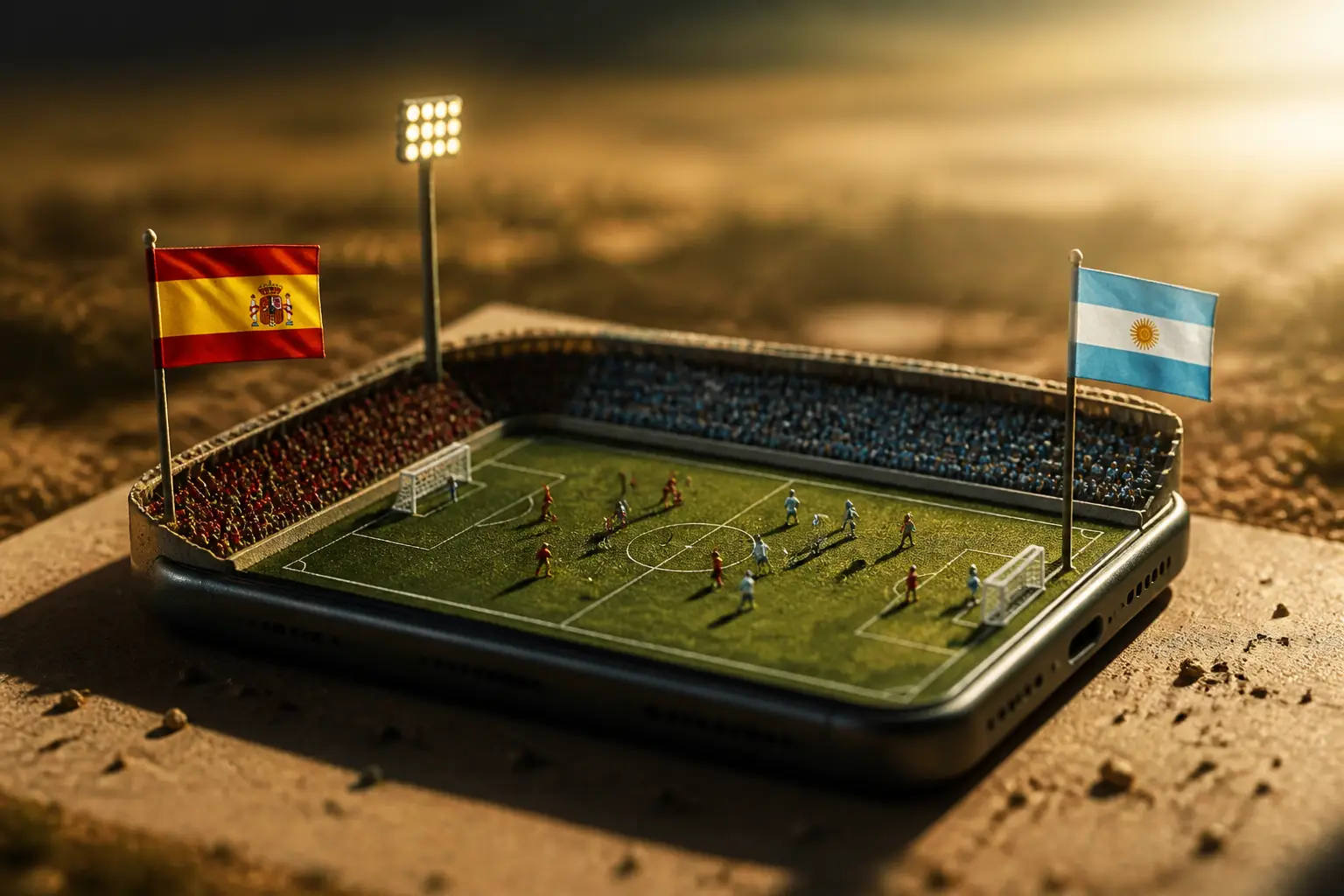
The 2026 World Cup saw a 30 percent increase in average bet sizes during the semi-finals, according to the latest campaign results from N1 Partners.
The 2026 World Cup has come to a close, leaving a significant impact on the global iGaming industry. While fans are still celebrating the final results, major operators are busy analyzing the massive amounts of data collected during the tournament. It has become clear that major sporting events remain the strongest drivers for user growth and player retention. The dynamics during the knockout stage were particularly notable, with user interest surging as the tournament progressed towards the final.
Live betting activity reached new heights as more users placed bets in real-time while watching the matches. The final between Spain and Argentina was the absolute peak of the tournament. The global audience was almost equally split between the two teams, which helped maintain high engagement throughout the entire game. For operators, this provides a wealth of insights into player behavior that can be translated into long-term strategies for future campaigns.
Numbers and facts
Data from N1 Partners reveals the immense scale of activity between June 10 and July 20. The six-week campaign focused on Germany, Canada, and Australia, which were identified as the top three markets. SEO traffic proved to be especially valuable, attracting users who were already searching for information on specific matches. Facebook also played a vital role, allowing partners to quickly scale their marketing efforts around trending sports topics and events.
Financial impacts were significant across the board. During the semi-final matches, the average bet size was approximately 30 percent higher than during the group stage. This demonstrates that player commitment and financial stakes increase significantly as the tournament reaches its decisive moments. The brands N1 Bet, Lucky Hunter, and RollXO were at the center of the promotion. Matches like France vs Spain and England vs Argentina were among the most discussed and generated the highest number of live bets.
“The most effective traffic sources were those that allowed affiliates to quickly adapt to the sports agenda. Match- and tournament-specific creatives delivered the strongest results.” - Daria Smirnova, Affiliate Team Lead at N1 Partners
Background
The analysis points out that many affiliates made the mistake of using generic creatives. Instead of tailoring their content to specific match-ups, they often used standard banners that failed to stand out in the flood of World Cup information. Speed was the key factor for success. Those who did not update their content immediately after match schedules were announced missed out on peak demand. Player behavior also showed that match scheduling had a major impact. Games held at convenient times attracted far more users than late-night games during the start of the tournament.
Looking ahead, it is vital for operators to retain the customers acquired during the event. Experts emphasize that the end of a tournament should not mean the end of the opportunity. The recommendation is to maintain communication and encourage players to explore other sporting events. A narrow focus on just capturing the first deposit is not enough for long-term success. It is about cross-promotion and providing ongoing value so that users remain active even after the football stage goes dark.
Why it matters for German players
For German fans who participated in betting during the World Cup, the legal framework remains the most important foundation. In Germany, the State Treaty on Gambling 2021 is the governing law. Since Germany was identified as one of the top three markets in the N1 analysis, player protection is particularly relevant here. Players looking for a legal and safe experience must check the whitelist of the GGL (Joint Gambling Authority of the Federal States). Only licensed operators ensure that strict protection rules are followed.
This includes the monthly deposit limit of 1,000 Euros, which is monitored by the LUGAS system. This limit applies across all providers and prevents players from spending more than they can afford during the heat of a World Cup final. The stake limit of one Euro per spin for virtual slots is also a core part of German regulation, even if the rules for sports betting differ slightly. German players benefit from a high level of legal certainty and the central exclusion system OASIS. Playing at unlicensed sites from Curacao or the MGA lacks this official German legal protection.
What it means for GGL-licensed casinos
For operators with a German license, the World Cup was a major task for both compliance and marketing teams. Because the GGL closely monitors advertising to prevent aggressive bonuses that might encourage excessive gambling, marketing had to be precise. However, the N1 Partners results show that the German market is thriving despite these regulations. GGL-licensed casinos must now show they can retain the users registered during the World Cup without violating their license conditions.
The focus will now shift towards responsible marketing for the years 2026 and 2027. Compliant operators must ensure their IT systems report data correctly to the LUGAS system while still offering an engaging player experience. The N1 analysis shows that German players expect high quality and reliability. The challenge for the future will be to optimize technology so that the fun of playing remains intact despite the necessary safety mechanisms.
Sources & further reading
- Joint Gambling Authority of the German Federal States (GGL): gluecksspiel-behoerde.de
- Whitelist of permitted online operators: GGL-Whitelist
- BZgA problem-gambling helpline: 0800 1 372 700 (free, anonymous, 24/7)
- Editorial methodology: Editorial guidelines Lustich.de
Gambling can be addictive. Please play responsibly. Help and counselling at 0800 1 372 700 (BZgA, free & anonymous).