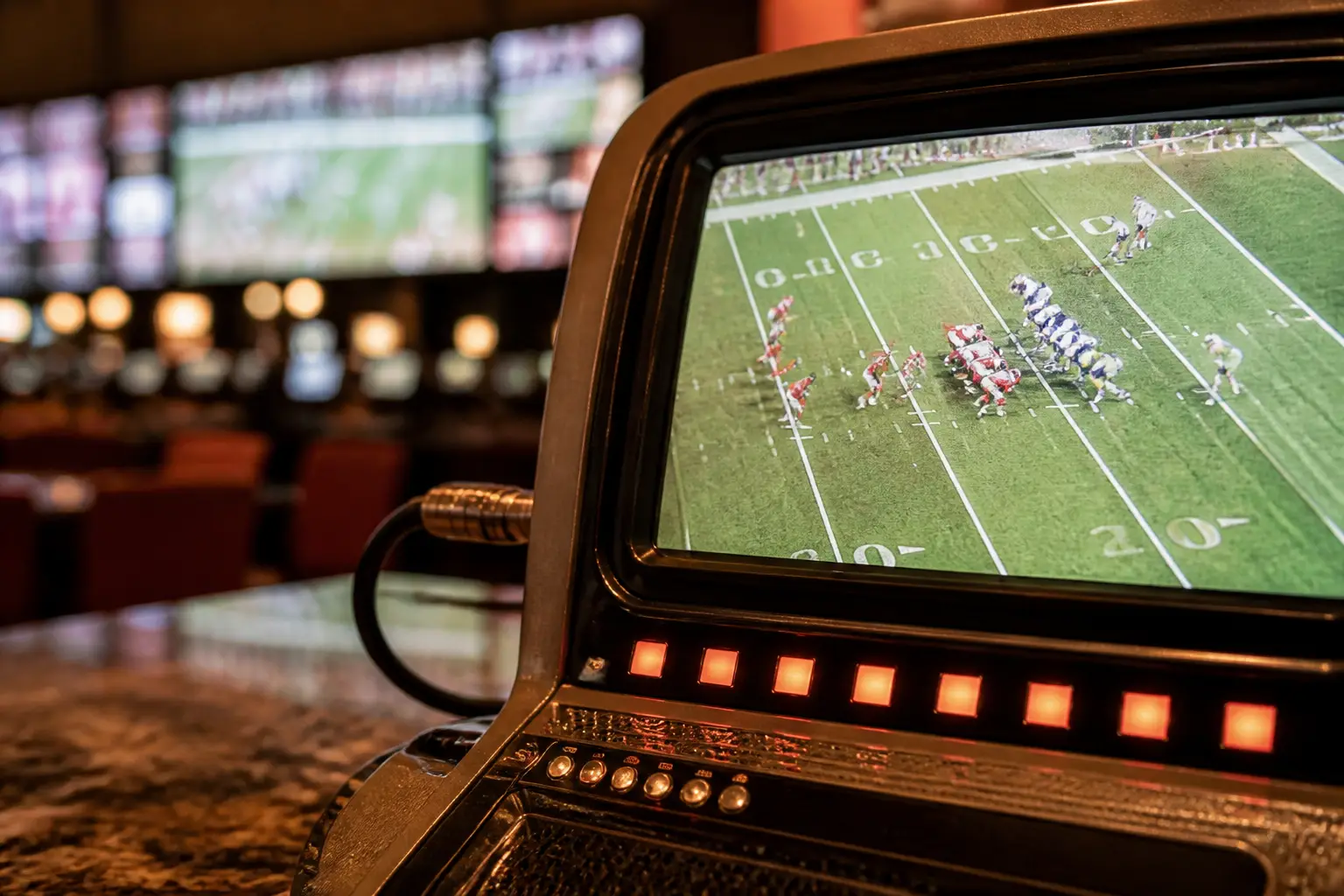
No taxes for prediction markets: Pennsylvania proposes unique regulatory framework

Pennsylvania's House Bill 2711 seeks to establish a tax-free regulatory environment for prediction markets, contrasting with high tax rates in other US states.
Pennsylvania is taking a bold step in the regulation of prediction markets by proposing a framework that avoids taxing the industry altogether. While other US states have opted for heavy taxation or outright bans, lawmakers in the Keystone State introduced House Bill 2711 to create operating rules without the burden of additional financial levies. This approach aims to distinguish Pennsylvania from jurisdictions like Kentucky, which recently imposed a 14.25 percent tax on revenue from online prediction markets, or Illinois, which also approved taxation on sports event prediction contracts.
The legislation, introduced on July 22 by Representative Tarik Khan and dozens of co-sponsors, seeks to define prediction markets under state law and move them into a dedicated legal chapter. The primary goal is not revenue generation but the establishment of integrity and consumer protection standards. This legislative move comes at a time when the federal Commodity Futures Trading Commission (CFTC) is increasingly scrutinizing these platforms, leading to various lawsuits and regulatory confusion across the country.
Numbers and facts
Under HB 2711, the minimum age for participation would be set at 21. The bill requires operators to implement comprehensive consumer protection measures, which include the exclusion of self-excluded users, employees of the platforms, and individuals who possess material non-public information. Furthermore, the bill explicitly prohibits certain types of contracts, such as those involving high school sports or the health status of individuals.
One of the most significant aspects of the bill is the enforcement structure. Instead of the Pennsylvania Gaming Control Board, the state's Attorney General and local district attorneys would have the authority to oversee the sector. The penalties for non-compliance are substantial, especially for those who ignore judicial orders.
"Providers who continue operating after an injunction will face fines of up to $1 million per day." - Tarik Khan, Representative, Pennsylvania House of Representatives
In addition to the daily fines, the bill bans so-called death markets, which include any contracts tied to assassinations, killings, or mass casualty events. It also requires operators to use technically feasible and commercially reasonable measures to detect market manipulation and fraud. This creates a regulated environment that focuses on safety rather than just state income.
Background
The US landscape for prediction markets is currently a patchwork of conflicting state policies. Minnesota represents the most restrictive end of the spectrum, having recently approved legislation that prohibits the operation and advertising of prediction markets on a wide range of subjects. This has already triggered legal battles involving major operators like Kalshi and Polymarket. In contrast, North Carolina chose a middle ground by imposing a 6 percent tax on net trading revenue without creating a full regulatory framework.
Pennsylvania's proposal also tries to keep a clear distance between prediction markets and traditional gambling. The bill states that providers cannot offer markets if a liquidity provider is knowingly engaged in gaming activities in their normal course of business. However, there is still some ambiguity regarding how this would affect platforms affiliated with major sportsbooks like DraftKings or FanDuel. The intention is clearly to prevent the fusion of financial prediction products with conventional sports betting, even as the lines between these sectors continue to blur globally.
Why it matters for German players
For players in Germany, the debate in Pennsylvania highlights how differently nations handle new gambling-like products. In Germany, the State Treaty on Gambling 2021 (GlüStV 2021) provides a very rigid framework. Prediction markets for political or social events are virtually non-existent in the legal German market, as the GGL (Joint Gambling Authority of the States) focuses heavily on traditional sports betting and virtual slot machines.
German users are protected by strict measures such as the 1,000 Euro monthly deposit limit and the LUGAS monitoring system. The flexibility seen in Pennsylvania, particularly the tax-free model, is unlikely to be mirrored in Germany soon. However, developments in the US often serve as a blueprint for future European discussions on how to handle the unregulated offshore market. For now, German players should strictly adhere to the GGL whitelist to ensure they are playing under local laws and protection standards.
What it means for GGL-licensed casinos
GGL-licensed operators in Germany face a highly regulated and taxed environment. The emergence of tax-free prediction markets in the US could put pressure on European regulators to innovate, especially if these markets successfully draw players away from illegal offshore sites in Malta or Curacao. In Germany, the strict 1 Euro limit per spin on slots and the ban on certain types of bonuses define the competitive landscape.
If Pennsylvania proves that a focus on integrity and consumer protection – rather than high taxes – can create a stable market, it might eventually influence the debate on how to evolve the GlüStV. Until then, GGL operators remain committed to the highest standards of player safety, ensuring that the German market remains one of the most secure in the world.
Sources & further reading
- Joint Gambling Authority of the German Federal States (GGL): gluecksspiel-behoerde.de
- Whitelist of permitted online operators: GGL-Whitelist
- BZgA problem-gambling helpline: 0800 1 372 700 (free, anonymous, 24/7)
- Editorial methodology: Editorial guidelines Lustich.de
Gambling can be addictive. Please play responsibly. Help and counselling at 0800 1 372 700 (BZgA, free & anonymous).