
Poland's Gambling Tax Regime Is Driving Players Toward the Unregulated Market
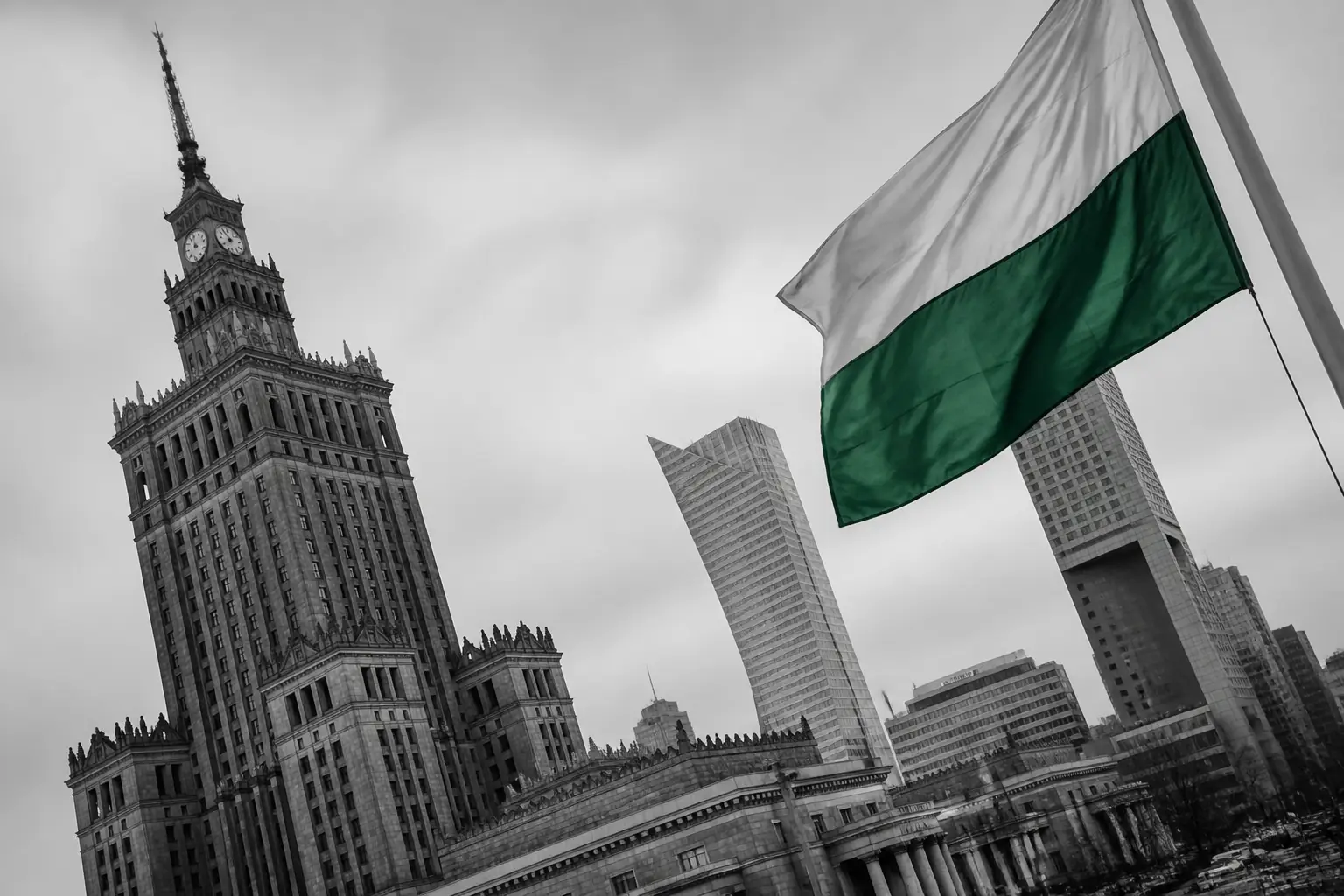
High turnover taxes in Poland are weakening legal operators. Estimates suggest the black market has doubled in size between 2017 and 2025.
Poland has emerged as one of the fastest growing gambling markets in Europe, yet this growth masks deep structural issues that are undermining the legal sector. Licensed operators are increasingly vocal about the country's tax framework, which they claim makes it impossible to compete with unregulated platforms. The central issue is a high turnover tax that forces bookmakers to offer less attractive odds, effectively pushing consumers toward the black market despite a double digit growth in legal revenue over recent years.
Unlike most European jurisdictions that tax gross gaming revenue (GGR), Poland imposes a 12 percent tax on turnover for sports betting. This tax is applied before winnings are paid out, forcing operators to maintain high margins to cover potential losses and tax liabilities. This creates a significant price disadvantage for legal bookmakers. For customers, the difference is noticeable in the odds, making illegal offshore sites a tempting alternative. Furthermore, players face additional taxes on their winnings, creating a double burden that discourages participation in the regulated market.
Numbers and facts
Market data highlights the severity of the situation. H2 Gambling Capital projects that Poland's sports betting sector will generate 1.62 billion euros in GGR from a total turnover of approximately 5.07 billion euros in 2026. This implies a margin of roughly 32 percent, which is significantly higher than in other regulated European markets. While the combined online and land-based market is expected to hit nearly 5 billion dollars in gross gaming revenue this year, the illegal sector is keeping pace.
Channelization remains a major concern for the industry. While sports betting sees a channelization rate between 78 and 88 percent, online casino performance is much lower at about 59 percent. One study indicated that the majority of Polish online casino users hold accounts with unlicensed operators. Industry figures suggest that the unregulated gambling sector in Poland has doubled in size between 2017 and 2025, largely due to the restrictive nature of the current regime.
Background
The current regulatory environment was shaped by the Blackjack-gate scandal in 2009, which led to some of the toughest gambling laws in Europe. Since 2017, the state owned operator Totalizator Sportowy has held a monopoly over online casino games. Industry participants argue that this monopoly drives players to offshore brands because licensed betting companies cannot offer the casino products their customers desire. Totalizator Sportowy, on the other hand, maintains that enforcement against illegal payment providers is the priority rather than ending the monopoly.
Political reform seems far off. Neither of the two major political parties in Poland currently supports significant liberalization of the gambling market. Smaller parties have shown more openness to change but lack the political weight to influence legislation. With current priorities focused on national security and defense spending, gambling reform sits low on the legislative list. Analysts are now looking toward Finland, which is transitioning away from its monopoly model, as a potential catalyst for change in Poland if it proves successful.
„Austria’s current monopoly model increasingly stands out on the European regulatory map as something of a relic. It is one of the few remaining jurisdictions that maintains a monopoly, particularly in the online gambling sector, where national borders have become functionally irrelevant and competition for consumers is only a click away.“ - Arthur Stadler, Founder of Stadler Partner law firm
Why it matters for German players
For German players, the Polish situation serves as a stark reminder of how taxation and monopoly structures can impact the gaming experience. In Germany, the State Treaty on Gambling 2021 (GlüStV 2021) allows for a more open market compared to Poland's casino monopoly, yet German players also face strict regulations like the 1 euro spin limit and the 1,000 euro monthly deposit cap managed by LUGAS.
However, the presence of a legal whitelist managed by the GGL provides a level of consumer protection and legal certainty that is currently fragmented in Poland. While German players might find the limits restrictive, the legal framework is at least designed to accommodate private competition. In Poland, the lack of private casino licenses means players often have no choice but to use offshore sites if they want variety, which lacks the safety net of national regulation and the OASIS exclusion system.
What it means for GGL-licensed casinos
Operators with GGL licenses can learn from Poland's struggles with channelization. The Polish case proves that even a growing market can be unhealthy if the tax burden and monopoly restrictions are too high. GGL casinos in Germany must navigate a complex regulatory landscape, but they benefit from a more transparent licensing system than their counterparts in Poland. To maintain high channelization rates, German regulators and operators must ensure that the legal offering remains competitive against the black market. If the regulatory burden in Germany becomes too similar to the restrictive Polish model, the same doubling of the unregulated market could become a threat to the German gaming industry. For now, the German model of controlled competition remains a more sustainable path than the state-run monopoly seen in Poland.
Sources & further reading
- Joint Gambling Authority of the German Federal States (GGL): gluecksspiel-behoerde.de
- Whitelist of permitted online operators: GGL-Whitelist
- BZgA problem-gambling helpline: 0800 1 372 700 (free, anonymous, 24/7)
- Editorial methodology: Editorial guidelines Lustich.de
 Poland
Gambling can be addictive. Please play responsibly. Help and counselling at 0800 1 372 700 (BZgA, free & anonymous).