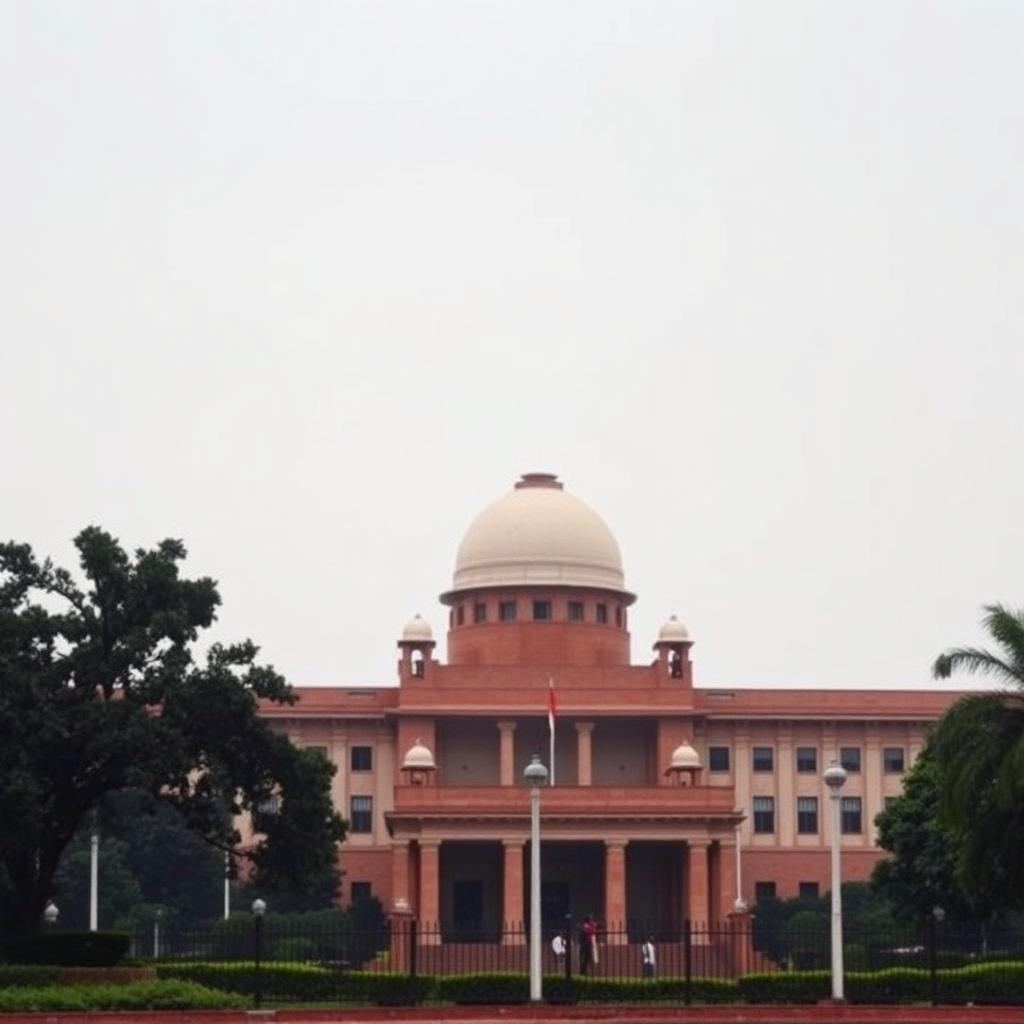
Prediction Markets in Court: Regulatory Pressure Mounts, World Cup Bets Soar

Courtrooms are hotbeds for prediction markets this week, while the World Cup continues to drive record sports betting revenue. Kalshi's World Cup markets have already surpassed the 1 billion dollar mark.
The gambling world is keenly watching two key developments this week: the increasing legal disputes surrounding so-called prediction markets and the ongoing boom in bets on the football World Cup. Especially in the US, lawsuits and court hearings against prediction market providers are intensifying, while billions of dollars are flowing through sports betting related to the global football event. This demonstrates how dynamic and at times controversial the gambling industry is currently operating in various jurisdictions.
Regulatory authorities and gambling providers, especially the prediction market operator Kalshi, are clashing in several US states over the classification and legality of these financial instruments. Simultaneously, the World Cup is boosting revenue growth of traditional sports betting and trading volumes on prediction markets themselves, presenting the industry with new challenges and opportunities.
Numbers and facts
The legal battles around prediction markets are escalating, particularly in the United States. Key hearings are scheduled for July 10 in Washington state and the Ninth Circuit. In Washington, state officials are seeking a preliminary injunction against Kalshi to ban the offering of sports event contracts. The case was remanded to King County Superior Court after an unsuccessful attempt by Kalshi to keep it in federal court. Meanwhile, the Ninth Circuit is hearing arguments in the California tribal appeal against Kalshi, brought by the Blue Lake Rancheria, Chicken Ranch Rancheria of Me-Wuk Indians, and the Picayune Rancheria of Chukchansi Indians. These tribes argue that Kalshi’s sports contracts infringe on tribal gaming rights and state gambling restrictions.
Beyond the court hearings, filing deadlines are looming in Connecticut and Tennessee. Connecticut's reply in CFTC v. Connecticut is due July 8, following the state's motion to dismiss the CFTC's lawsuit. Similarly, Tennessee's reply brief in its Sixth Circuit appeal is also due on July 8. North Carolina could become the next flashpoint, as its state budget includes a 6% tax on prediction market operators' net trading fee revenue. Governor Josh Stein has until July 12 to sign or veto this budget. If signed, it would make North Carolina the second state, after Illinois, to impose such a specific tax.
On the sports front, the World Cup is generating immense betting interest. The U.S. Men’s National Team’s knockout-stage win against Bosnia and Herzegovina attracted a record 33 million viewers in the U.S. Kalshi’s World Cup markets have now exceeded 1 billion dollars in trading volume. Polymarket, a global platform, has topped 4 billion dollars in tournament-related trading volume, making the World Cup its most traded event ever. Investment bank Macquarie had previously forecast the World Cup to be the largest betting event in history.
„Die ESMA drückt ihre Besorgnis aus über den Verkauf von Vorhersagemärkten in der EU an Kleinanleger, die sich auf Ergebnisse von Sportereignissen beziehen können.“ - Kyle Goldsmith, Autor bei iGamingBusiness.com (sinngemäße Übersetzung aus “ESMA confirms some prediction markets contracts fall under European financial regulation”)
Background
Prediction markets are financial platforms where users can bet on the outcome of future events, ranging from political elections to sports results. The legal disputes center on whether these markets constitute gambling or financial derivatives, and thus which regulatory body has jurisdiction. The Commodity Exchange Act (CEA) and state gambling laws often clash, leading to complex legal challenges. For instance, the federal district court previously dismissed the tribes' claims against Kalshi, stating the CEA preempted their state-law and IGRA arguments. The European Securities and Markets Authority (ESMA) also issued a warning, confirming that some prediction market contracts fall under existing binary options restrictions, highlighting the global nature of this regulatory debate.
The massive viewership for the World Cup, particularly the U.S. team's performance, underscores the significant public interest in sports and betting. This translates directly into higher activity on both traditional sportsbooks and prediction markets. The volatility of tournament odds, as seen with Argentina moving from a 9% implied chance to the second-favorite position on platforms like Kalshi and Polymarket, further fuels engagement. DraftKings and FanDuel also show similar patterns, with France as the clear favorite and Argentina, England, and Spain following. The growth in trading volume on prediction markets, with Polymarket reaching over 4 billion dollars for the World Cup, indicates a strong appetite for these dynamic betting opportunities.
Meanwhile, the sweepstakes casino sector is facing its own challenges, with Indiana's ban taking effect on July 1 and Maine's on July 15. Operators like Chumba and Stake.us have already restricted services in Indiana, and more exits are expected in Maine. This shows a trend of states taking a tougher stance on certain forms of online gambling, forcing operators to adapt or withdraw.
What it means for German players
For German players, the ongoing discussions about prediction markets offer little immediate change, as these specific types of betting instruments are largely unregulated or prohibited in Germany under the current Glücksspielstaatsvertrag 2021 (GlüStV 2021). The focus of German Glücksspielregulierung (gambling regulation) is primarily on traditional sports betting, online slot machines, and online poker, all offered by GGL-licensed operators. This stringent regulatory framework aims to protect players and prevent gambling addiction. The GGL Whitelist, which lists all officially licensed providers, is the only safe haven for legally operating online gambling in Germany. Operators with MGA or Curacao licenses are not permitted to offer games to German players, and those jurisdictions are not seen as safe alternatives.
The GlüStV 2021 imposes strict limits, such as a maximum stake of 1 Euro per spin on online slots and a monthly deposit limit of 1.000 Euro across all licensed providers, monitored by the LUGAS-Sperrsystem. These measures are designed to ensure responsible gambling behavior. The legal battles seen in the US around prediction markets highlight the potential for complex regulatory issues when new forms of speculative or betting-like products emerge. Such products would likely face intense scrutiny and strict classification within the German regulatory landscape, probably leading to outright bans if they resemble unauthorized forms of gambling or financial speculation.
What it means for GGL-licensed casinos
For GGL-licensed casinos and sports betting providers in Germany, these international developments reinforce the importance of maintaining strict compliance with the GlüStV 2021. The legal challenges faced by prediction market operators in the US and the warnings from ESMA demonstrate the global trend towards tighter regulatory control, especially for products that blur the lines between gambling and financial trading. German licensees benefit from a clear, albeit strict, legal framework that defines what is allowed and what is not.
This clarity helps GGL-licensed operators to avoid the kind of costly litigation and regulatory uncertainty that prediction market providers are currently experiencing. While the booming World Cup betting volumes are a positive indicator for the sports betting segment in Germany, these revenues must be generated within the confines of established player protection measures. This includes adherence to advertising regulations, responsible gaming tools, and the cross-provider monitoring system LUGAS. The German market prioritizes player safety and regulatory stability over the rapid proliferation of novel, potentially riskier betting products. This approach means that German players will likely not see prediction markets like Kalshi's or Polymarket's readily available anytime soon, ensuring a regulated and secure gambling environment focused on established offerings.
Sources & further reading
- Joint Gambling Authority of the German Federal States (GGL): gluecksspiel-behoerde.de
- Whitelist of permitted online operators: GGL-Whitelist
- BZgA problem-gambling helpline: 0800 1 372 700 (free, anonymous, 24/7)
- Editorial methodology: Editorial guidelines Lustich.de
Gambling can be addictive. Please play responsibly. Help and counselling at 0800 1 372 700 (BZgA, free & anonymous).