
Hidden Gambling: Lotteries Warn Against Unregulated Prediction Markets
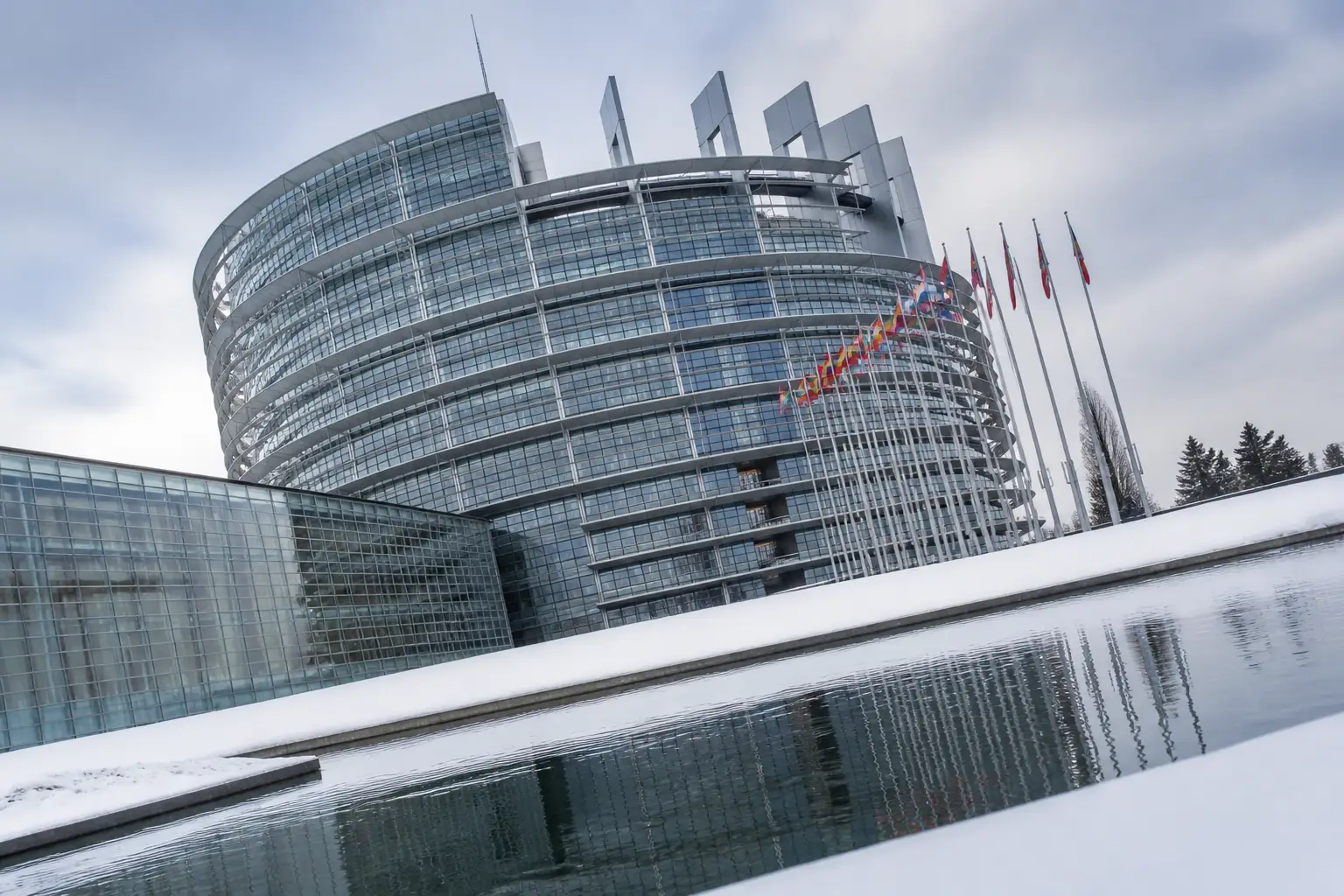
NASPL, representing 53 lottery organizations, warns that prediction markets are effectively sports betting and threaten consumer protections and public funding.
A legal storm is brewing in North America as the boundaries between financial products and traditional gambling are being redefined. Large lottery organizations are no longer willing to stand by while providers of prediction markets operate under the radar of regulatory authorities. At stake are vast sums of money, consumer protection, and the fundamental question of whether a wager on the future must automatically be classified as gambling. This debate has gained new momentum as influential associations demand a clear stance from lawmakers.
Critique is directed at platforms where users can purchase shares in future events. Whether it is sports results, political elections, or economic indicators - those who guess correctly receive a payout. For established lottery operators, this is not an innovative financial product but simply sports betting in a shiny new disguise. This conflict highlights how difficult it is for legislation to keep up with digital innovations that specifically exploit gray areas.
Numbers and facts
The pillar of this warning is the North American Association of State and Provincial Lotteries (NASPL). This organization is no lightweight, as it represents 53 lottery organizations across the US and Canada. As such, it speaks for a market that generates billions annually for public causes. In an official statement, the association asked lawmakers and regulators to clarify how sports-related event contracts should be tackled. NASPL is supported by the World Lottery Association, which recently published a corresponding paper.
The core argument from NASPL is as simple as it is logical: as soon as something of value is at stake, semantics end and gambling begins. If an individual stands to gain or lose based on the outcome of a future event, then that activity meets the definition of gambling under many established legal standards. The organization warns urgently that the lack of oversight over these prediction markets could undermine sports integrity. Furthermore, funding for public programs, which are usually supported by regulated gaming, would be reduced by these unregulated competitors.
Background
Why is this becoming a topic right now? In Washington, the Subcommittee on Commodity Markets, Digital Assets, and Rural Development of the House Agriculture Committee has already addressed the matter. During a hearing, they discussed whether sports event contracts should remain under existing federal oversight or be subject to new, stricter regulations. It is a tug-of-war between innovation and tradition. Proponents of prediction markets see them as tools for knowledge aggregation, while critics label them as unregulated bookmakers who pay no taxes and ignore player protection.
"If individuals stand to gain or lose something of value based on the outcome of a future event, then that activity meets the definition of gambling under many established legal standards." - NASPL representative, North American Association of State and Provincial Lotteries
The World Lottery Association agrees, emphasizing that the boundaries between regulated gambling and financial products are increasingly blurring. It stated that sports, political, and other event-based contracts should be treated as wagers, no matter how operators choose to call or describe them. Governments worldwide are now called upon to set clear rules for companies offering these products. NASPL sees a danger to player safety here, as established mechanisms for excluding minors or preventing addiction are often only partially present on these platforms.
Why it matters for German players
For German players, this US debate is more relevant than it might seem at first glance. Germany has created one of the strictest regulatory frameworks in the world with the State Treaty on Gambling 2021 (GlüStV 2021). In this country, the separation is clear: anyone offering bets on sporting or political events requires a permit from the Gemeinsame Glücksspielbehörde der Länder (GGL). Prediction markets trying to disguise themselves as financial products would have an extremely difficult time in Germany. German customers are protected by the deposit limit of 1,000 euros per month and the stake limit of 1 euro per spin for slots. These limits are monitored via the central LUGAS system.
Should such unregulated prediction markets push into the German market, the GGL would likely identify and block them as illegal gambling quickly. The NASPL warning underlines how important a closed system like the German whitelist is. Anyone playing on platforms without a German license enters a legal no-mans-land without player protection or a guarantee of payout. In Germany, the motto remains: safety before speed. Anyone betting should only do so with providers listed in the official GGL directory to avoid falling for hidden casino offers.
What it means for GGL-licensed casinos
For operators with a GGL license, the NASPL warning primarily means backing. It shows that the fight against the black market and gray area providers is a global concern. GGL casinos invest significant money in compliance, identity checks, and the connection process to the OASIS block system. If new market participants now try to bypass the regulated market under the label of prediction markets, it distorts competition. The authorities in Germany are already sensitized to betting on niche events and leave little room for experimentation.
It is expected that the GGL will monitor international developments closely. Should prediction markets become more popular in Europe, the authorities in Halle (Saale) will likely react early with bans or strict requirements. For licensed casinos, this is a positive signal as it protects the value of their hard-earned license. A fair market only works if everyone plays by the same rules, regardless of whether they call their product a bet or an event contract.
Sources & further reading
- Joint Gambling Authority of the German Federal States (GGL): gluecksspiel-behoerde.de
- Whitelist of permitted online operators: GGL-Whitelist
- BZgA problem-gambling helpline: 0800 1 372 700 (free, anonymous, 24/7)
- Editorial methodology: Editorial guidelines Lustich.de
Gambling can be addictive. Please play responsibly. Help and counselling at 0800 1 372 700 (BZgA, free & anonymous).