South Korean Investors Face High-Leverage Risks on Offshore Crypto Platforms

South Korean retail investors use offshore crypto derivatives tied to domestic equities, facing extreme leverage risks. A small KOSPI dip can cause position liquidation.
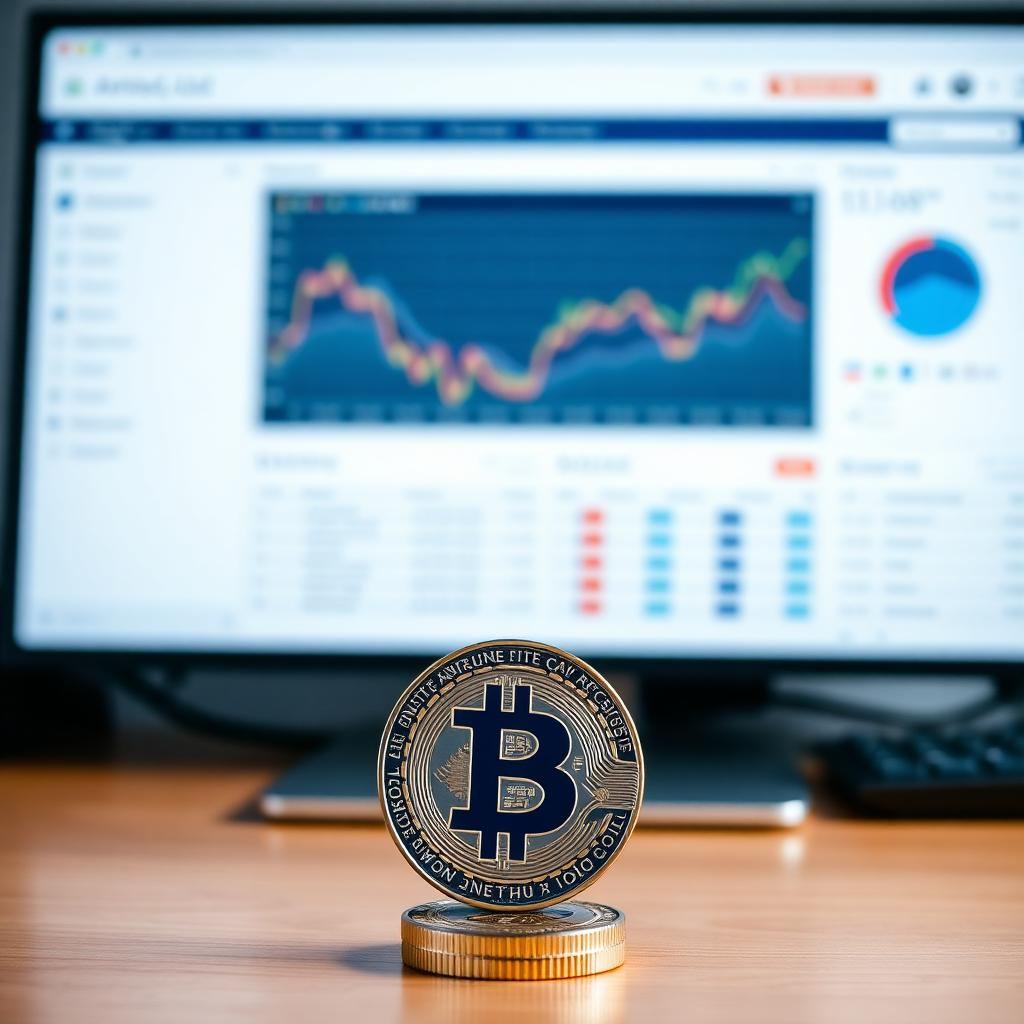
South Korean retail investors are flocking to crypto derivatives traded outside the country. These products are closely linked to the performance of domestic stock markets. This attracts many, promising immense gains. But that is precisely where the danger lies: potential losses can be magnified just as strongly. This fuels concerns about financial disasters.
Particularly concerning is that these instruments remain easily accessible. This is true even when local financial platforms are subject to stricter regulation. This is a paradox that causes headaches for regulators. The use of these offerings bypasses the actual protection mechanisms of the domestic market. It creates a grey area where investor protection is hardly effective.
Numbers and facts
Many of these contracts track leveraged exchange-traded products linked to the KOSPI, the South Korean benchmark index. They do not directly reflect the underlying shares. When this leverage is combined with additional leverage on an offshore platform, the effects are dramatic. A slight change in the KOSPI can result in an exceptionally large change in a trader's position. This is playing with fire.
Offshore crypto providers have continuously expanded their range of perpetual futures and other derivatives linked to Korean equities. These products allow users to speculate on the rise or fall of a benchmark or a leveraged fund. They do not have to physically purchase the local shares. This focuses on price direction and short-term volatility. A fund already designed to deliver several times the daily movement of the KOSPI can become the basis for another layer of leverage. This significantly accelerates the gain or loss of value in a position.
The core problem: leverage does not change the underlying market movement. It does, however, massively change the financial consequences for the trader. A moderate KOSPI movement can, therefore, lead to a disproportionate swing in a derivative. This is especially true when the position is held with a narrow margin buffer. The biggest practical danger is forced liquidation. If prices move against a trader, a platform may close the position. This happens before the investor can add collateral. These contracts differ fundamentally from a simple stock investment. This applies particularly to retail investors trading under volatile conditions.
Background
South Korea's local virtual asset market is subject to registration and compliance requirements. They are intended to give authorities greater oversight of providers serving domestic customers. Offshore operators, however, do not necessarily fall under the same consumer protection framework. This is true even when local investors can access their services online. This is a systemic problem due to the digital nature of the internet. It makes it difficult for national authorities to regulate globally operating providers.
A common route into such markets is the purchase of a dollar-linked digital asset on a domestic platform. This is then transferred to an overseas account. The cross-border nature of this route complicates enforcement and investor protection. This is much more complex than a transaction conducted entirely through a locally registered service. Stock-linked crypto derivatives are part of a broader development. They combine traditional market themes with always-on digital asset trading. The contracts attract attention during sharp moves in Korean equities. Investors can take positions outside local trading hours and the usual brokerage environment. This increases the risk of uncontrolled speculation.
For regulators and platforms, the priority remains clear. It is about transparent disclosure, effective market surveillance, and safeguards that match the risk of the product. For retail investors, the distinction is equally important: a trade that appears to offer amplified upside can also make a relatively small market reversal financially decisive.
Why it matters for German players
The situation in South Korea illustrates the dangers that arise when financial markets operate unregulated across national borders. Similar principles apply to online gambling. For German players, this means they should only stick to providers with a German license. Casinos licensed by the Joint Gambling Authority of the Federal States (GGL) under the Gambling State Treaty 2021 (GlüStV 2021) offer a high standard of protection. This includes the deposit limit of 1,000 euros per month and the stake limit of 1 euro per spin. Furthermore, these providers are connected to the central self-exclusion system OASIS and the cross-state gambling supervision system (LUGAS). These systems are designed to prevent problem gambling and prevent manipulation. The GGL whitelist is the authoritative guide for a safe gaming experience. Providers that only have an MGA or Curacao license do not offer these protective mechanisms. They are not subject to strict German rules. This is why, as a casino editor for lustich.de, I constantly emphasize the importance of the GGL license. It is simply our responsibility to recommend the best for players.
What it means for GGL-licensed casinos
For online casinos licensed in Germany, these developments confirm their strict regulation. The GGL license creates trust and differentiates serious providers from unscrupulous ones. While offshore crypto platforms create risks through unregulated leveraged products, GGL casinos guarantee a safe framework. They comply with all requirements of the GlüStV 2021, for example, regarding problem gambling prevention and player data protection. This strictness is a competitive advantage. It strengthens the credibility and attractiveness of legal gambling offers for German players. Unregulated markets like those in South Korea highlight the importance of transparent and secure framework conditions. German regulations are a solid anchor in an otherwise very volatile market.
„For retail investors, the key distinction is equally important: a trade that appears to offer amplified upside can also make a relatively small market reversal financially decisive." - Maciej Akimow, Author at igamingexpress.com
Sources & further reading
- Joint Gambling Authority of the German Federal States (GGL): gluecksspiel-behoerde.de
- Whitelist of permitted online operators: GGL-Whitelist
- BZgA problem-gambling helpline: 0800 1 372 700 (free, anonymous, 24/7)
- Editorial methodology: Editorial guidelines Lustich.de
Gambling can be addictive. Please play responsibly. Help and counselling at 0800 1 372 700 (BZgA, free & anonymous).