Sweden flags influencers and social media as primary drivers of illegal gambling
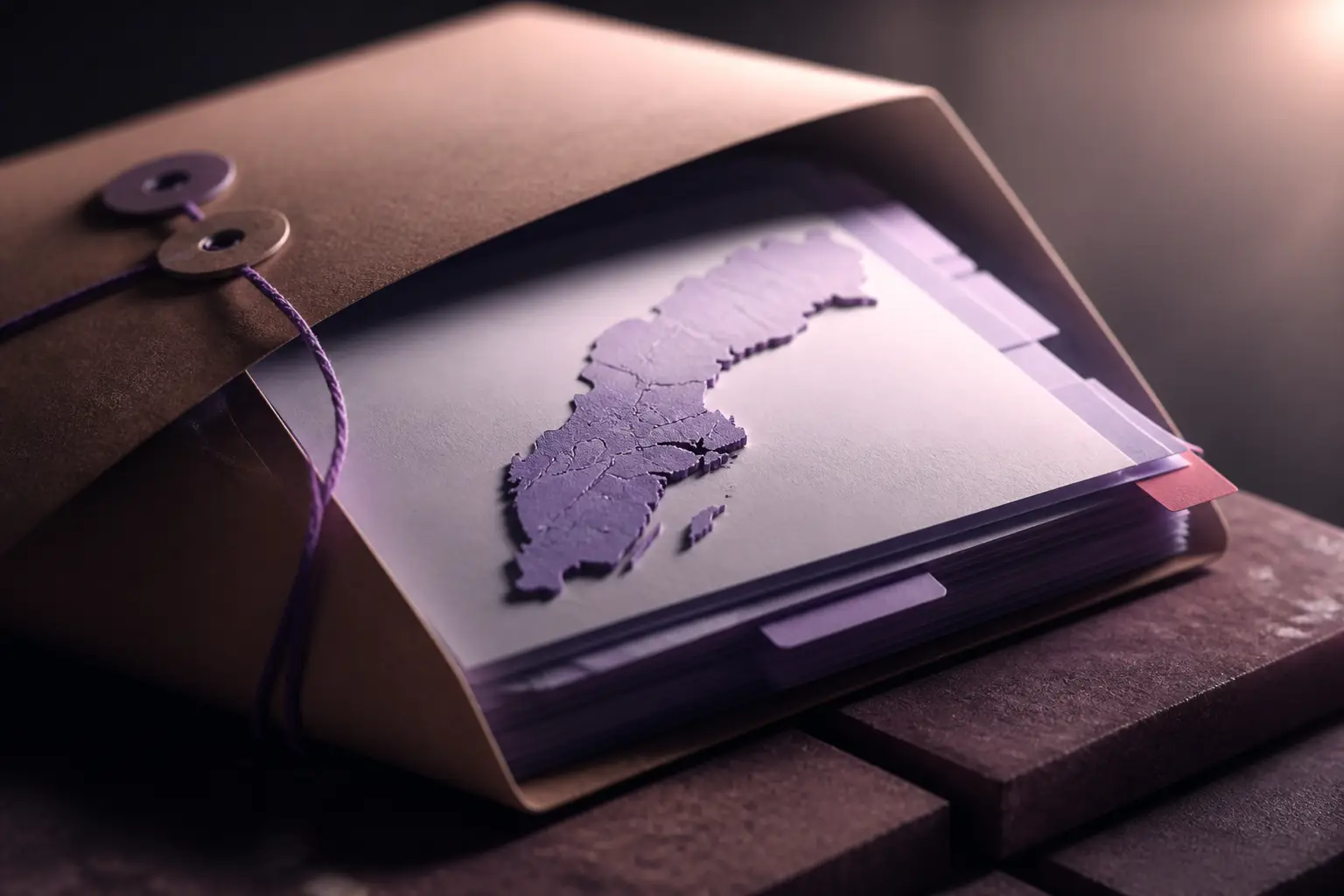
A report by Spelinspektionen reveals that 17 percent of young Swedes follow gambling firms on social media, often led there by unlicensed marketing tactics.
The Swedish gambling regulator Spelinspektionen has released a comprehensive report detailing the growing influence of social media and affiliate networks on the illegal gambling market. The authority identifed influencers as a key factor in promoting unlicensed services to Swedish consumers. This development is particularly concerning as it targets younger demographics in digital spaces that should prioritize consumer safety. The report maps out a complex web of platforms used to circumvent national regulations.
The marketing strategies employed are highly sophisticated, including livestreaming, link farms, and affiliate networks. These networks redirect search traffic to unlicensed casinos by using short lived domains that serve thousands of Swedish IP addresses before rotating to new URLs. This makes tracking and enforcement exceptionally difficult for authorities while providing continuous access for operators. The use of Swedish domains to mask international locations is a common tactic to trick players into believing they are using a regulated service.
Numbers and facts
The data reveals a stark reality regarding youth exposure. Around 17 percent of young people follow gambling companies through at least one social media or streaming platform. TikTok leads the way at 10 percent, followed by YouTube at 9 percent. Instagram and Snapchat each account for 6 percent. There is also a notable gender gap: 21 percent of boys follow these accounts compared to only 11 percent of girls.
Furthermore, recognizing these posts as advertisements is a challenge for the youth. Only 43 percent of young people correctly classified content marketing as advertising, whereas 65 percent of adults did so. This gap allows illegal operators to use undisclosed promotional strategies effectively. The report also noted the rise of deepfakes, where the images of Swedish public figures are manipulated to falsely endorse unlicensed platforms.
Background
Spelinspektionen found that many affiliates use .se domains to appear legitimate to Swedish users. However, these links often lead to English-language sites operating without a Swedish license. Platforms like Twitch and Kick have become major hubs for such activities. While Twitch has banned some unlicensed sites, Kick has emerged as a popular alternative for influencers dismissed from other platforms, featuring leaderboards and organized giveaways.
Criminal enforcement is already yielding results. A significant case in March 2026 saw an influencer sentenced to 22 months in prison for economic crimes combined with the promotion of unlicensed gambling. This is the first known criminal sentence for online gambling promotion in Sweden. Additionally, new technical requirements for the Spelpaus self-exclusion register will take effect on 1 August to better protect vulnerable players from aggressive marketing.
Why it matters for German players
For players in Germany, the Swedish findings serve as a vital warning. The tactics used by black market operators are consistent across Europe. In Germany, the State Treaty on Gambling 2021 sets strict rules for legal operators. Whitelisted providers must comply with the 1,000 Euro monthly deposit limit and a maximum spin stake of 1 Euro for slots. Systems like LUGAS and OASIS are designed to ensure comprehensive player protection.
However, players who follow influencer links to unlicensed sites bypass all these safeguards. These sites often lack deposit limits or functional exclusion systems, and withdrawing winnings can be problematic. While the GGL monitors the market closely, the sheer volume of social media content is hard to control. German users should always verify a provider's license before engaging with offers promoted on social channels.
What it means for GGL-licensed casinos
For GGL-licensed operators, this report underscores the importance of fair market conditions and the threat of uncontrolled competition. Licensed sites carry the burden of regulatory compliance and taxes, while the black market operates with no such overhead. This creates an uneven playing field. Operators must ensure their own affiliates maintain high standards to avoid being associated with shady marketing tactics. The upcoming EU Digital Fairness Act may provide further tools to restrict targeted advertising and held influencers accountable.
„The authority warned that this activity is particularly visible in environments popular with young people, raising concerns about consumer protection and regulatory enforcement.“ - Spelinspektionen, Swedish Gambling Authority
Ultimately, the report highlights that transparency and strict adherence to regulations are the only ways to build long term trust. Influencer partnerships must be legal and transparent to avoid compromising the integrity of the industry.
Sources & further reading
- Joint Gambling Authority of the German Federal States (GGL): gluecksspiel-behoerde.de
- Whitelist of permitted online operators: GGL-Whitelist
- BZgA problem-gambling helpline: 0800 1 372 700 (free, anonymous, 24/7)
- Editorial methodology: Editorial guidelines Lustich.de
Gambling can be addictive. Please play responsibly. Help and counselling at 0800 1 372 700 (BZgA, free & anonymous).