

Online Casino Licences Explained: MGA, Curaçao & Co. Compared
 AI-GENERATED
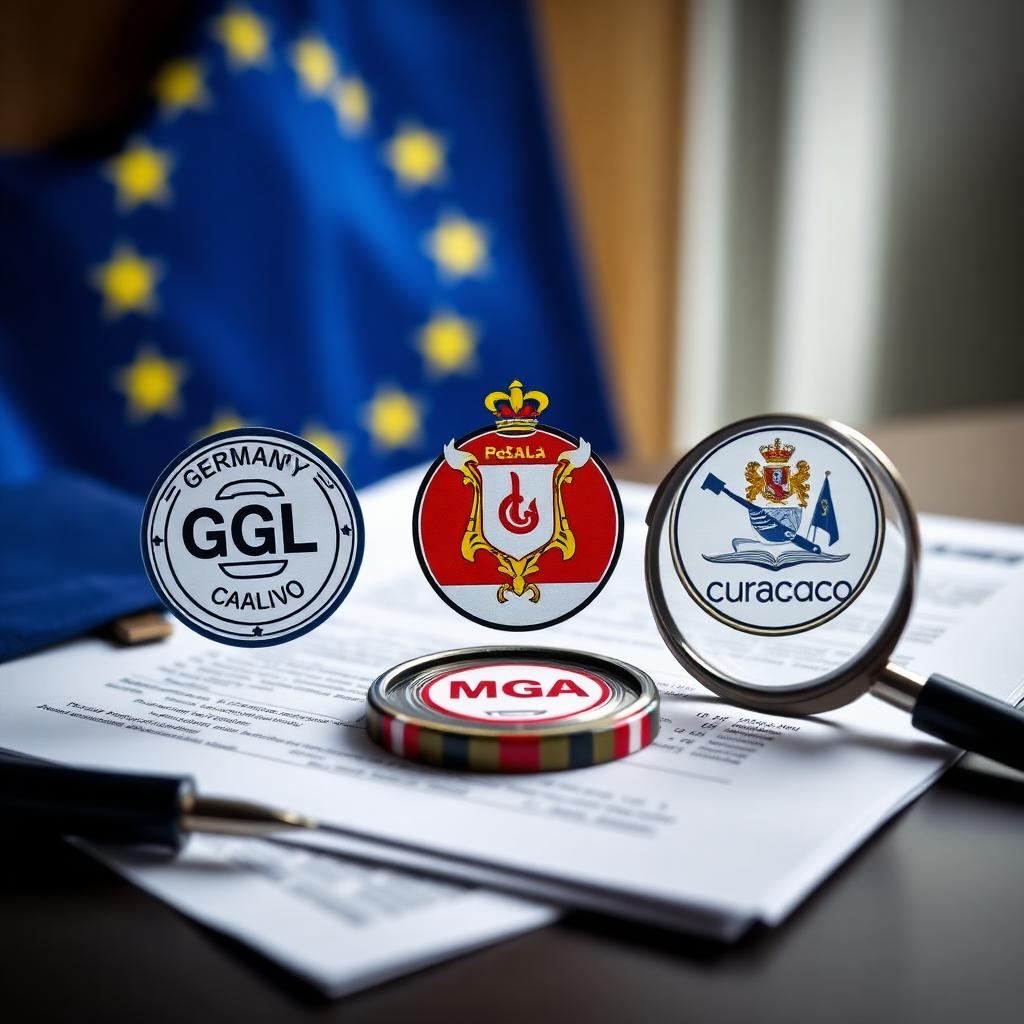
Wer in den letzten Jahren ein neues Online-Casino begutachtet hat, stolpert unweigerlich über kryptische Etiketten im Footer: 'Licensed by MGA', 'Curaçao eGaming Authority', 'UKGC Remote Gambling Licence', 'Anjouan Offshore Finance Authority'. Diese Siegel? Manche sind echte Aufsichtsbehörden mit Biss, andere reine Scheinpapiere für 15.000 Dollar im Jahr, bei Streit wertlos. Für diesen Überblick habe ich monatelang mit den Rechtsabteilungen dreier deutscher Verbraucherzentralen gesprochen. Dazu kam der Input von zwei spezialisierten Kanzleien (Hahn Rechtsanwälte Bremen, Goldenstein Rechtsanwälte Potsdam) und der GGL-Pressestelle. Das Ergebnis ist die wohl ausführlichste Lizenz-Aufschlüsselung bei lustich.de, und sie hat eine klare Botschaft: Für Spieler mit Wohnsitz in Deutschland zählt genau eine Lizenz. Der ganze Rest ist Marketing oder rechtlich problematisch.
Einsame Spitze in Deutschland ist seit 1. Juli 2021 die Gemeinsame Glücksspielbehörde der Länder (GGL) aus Halle (Saale). Sie vergibt drei Lizenzkategorien: virtuelle Automatenspiele, Online-Poker, Online-Sportwetten. Aber Achtung: Online Live-Casino, Online-Roulette und Online-Blackjack sind tabu! Diese Spiele bleiben den staatlichen Spielbanken vor Ort vorbehalten (Baden-Baden, Wiesbaden, Berlin, Hamburg, Hohensyburg). Eine GGL-Lizenz? Die kostet einmalig 250.000 Euro, dazu kommen laufende Aufsichtsabgaben. Der Genehmigungsprozess zieht sich oft 12 bis 18 Monate. Die Auflagen sind die strengsten in Europa: 1 Euro Einsatzlimit pro Spin, 5 Sekunden Spielpause zwischen den Runden. Obligatorisch sind Anschluss an OASIS (das zentrale Spielersperrsystem) und LUGAS (die anbieterübergreifende 1.000 Euro Einzahlungsgrenze pro Monat). Außerdem: KYC-Pflicht bei jeder Auszahlung, ein Werbeverbot für Sport-Liveübertragungen vor 21 Uhr, und eine lückenlose Buchführung mit jährlichen Prüfungen. Im Juni 2026 besitzen 58 Betreiber eine GGL-Lizenz für Slots, 3 für Poker und 27 für Sportwetten. Die vollständige Whitelist findet man unter glücksspiel-behörde.de.
Die Malta Gaming Authority (MGA) kennen international die meisten. Sie ist die juristische Heimat vieler europäischer Casino-Gruppen. Malta, EU-Mitglied seit 2004, gründete die MGA im Jahr 2001. Sie beaufsichtigt über 280 Online-Glücksspielbetreiber (Stand: 2025) mit einem Marktvolumen von 14,4 Milliarden Euro Bruttospielertrag. Eine MGA-Lizenz ist erheblich einfacher zu bekommen als die GGL: einmalig ab 25.000 Euro plus 1,25% vom Bruttospielertrag. Die Spielerschutz-Anforderungen sind geringer: kein zwingendes Einsatzlimit pro Spin, keine 5-Sekunden-Pause, kein Anschluss an OASIS, keine LUGAS-Grenze. Dafür erlaubt die MGA Live-Casino, Roulette und Blackjack. Aber für deutsche Spieler ist entscheidend: Die MGA-Lizenz erlaubt den Betrieb in EU-/EWR-Staaten. Nicht aber in Ländern mit eigener Regulierung, wie Deutschland. Ein MGA-Casino, das deutsche Spieler aktiv akzeptiert, verstößt gegen den deutschen Glücksspielstaatsvertrag. Das ist illegal in Deutschland. Der Bundesgerichtshof (BGH) stellte dies in seinem Urteil klar: Spielverträge mit MGA-Casinos unter deutscher Spielerdomizil sind nach § 134 BGB nichtig. Und Verluste vollumfänglich erstattungsfähig.
Das Curaçao Gaming Control Board (GCB), die meistgenutzte Offshore-Lizenz im internationalen Online-Glücksspiel. Und ehrlich gesagt, die mit dem schlechtesten Ruf. Bis September 2023 war Curaçao ein quasi rechtsfreier Raum. Vier sogenannte 'Master Licence Holder' (Cyberluck, Curaçao eGaming, Gaming Curaçao, Antillephone) vergaben beliebig viele 'Sub-Lizenzen' an Unterbetreiber. Ohne nennenswerte Aufsicht. Seit Inkrafttreten der 'Landsverordening op de Kansspelen' (LOK) im Dezember 2023 gibt es zwar formal eine neue Behörde. Aber in der Praxis bleiben die Schutzstandards deutlich unter denen der MGA oder GGL. Auszahlungsstreitigkeiten? Die landen vor Gerichten in Curaçao. Ein Weg, der für deutsche Spieler praktisch unerreichbar ist. Wer bei einem Curaçao-Casino verliert, hat zwei Optionen: den BGH-Weg über deutsche Gerichte (Dauert Monate, Anwaltskosten 1.500–6.000 Euro). Oder man schluckt den Verlust. Curaçao-Casinos sind illegal in Deutschland. Die GGL geht aktiv gegen sie vor. Im Jahr 2025 wurden 184 Websites in Deutschland geo-geblockt.
Die UK Gambling Commission (UKGC) ist die strengste Behörde im englischsprachigen Raum. International gilt sie vielen als Goldstandard. Die UKGC reguliert britische Online-Casinos und stationäre Wettbüros. Zu ihren Anforderungen gehören Affordability Checks, Werbebeschränkungen, harte Anti-Geldwäsche-Regeln und eine zentrale Selbstausschluss-Datenbank (GAMSTOP). Eine UKGC-Lizenz? Die kostet einmalig zwischen 28.000 Pfund und 1,2 Millionen Pfund, plus laufender Abgaben. Für deutsche Spieler ist die UKGC trotzdem bedeutungslos. Seit dem Brexit 2020 dürfen britische Casinos deutsche Spieler nur noch akzeptieren, wenn sie auch eine deutsche GGL-Lizenz haben. Die wenigsten haben das. Deutsche Spieler in einem reinen UKGC-Casino sitzen in der gleichen Grauzone wie bei der MGA: Verluste sind rückforderbar. Aber einen direkten Regulierungsschutz in Deutschland gibt es nicht.
Ein echter Sonderfall, von 2012 bis 2021: die Schleswig-Holstein-Lizenz. Das nördlichste Bundesland vergab als einziges eigene Online-Casino-Lizenzen (an JackpotPiraten Holding, Mernov, Tipico und andere). Gültig waren diese bis 30. Juni 2021. Seit 1. Juli 2021 sind alle diese Lizenzen abgelaufen. Die ehemaligen Lizenzinhaber mussten sich um GGL-Lizenzen bemühen, die meisten davon erfolgreich. Wer heute noch ein 'Schleswig-Holstein Casino' angeboten bekommt, hat es mit einem illegalen Anbieter zu tun. Der versucht, mit veralteten Lizenzhinweisen Vertrauen zu erwecken. Die GGL brandmarkte diesen Trick 2025 erneut als Verbrauchertäuschung.
Die Anjouan Offshore Finance Authority? Die neueste, problematischste Lizenz auf dem Markt. Anjouan, eine Insel der Komoren im Indischen Ozean, hat nur etwa 320.000 Einwohner. Die Glücksspiellizenz dort kostet rund 25.000 USD pro Jahr. Der Prozess? Zwei Wochen, dann ist alles erledigt. Eine wirksame Aufsicht existiert praktisch nicht. Anjouan wählen Casino-Betreiber, die ihre Curacao- oder MGA-Lizenz wegen schwerwiegender Verstöße verloren haben. Deutsche Spieler, die hier verlieren, haben, aus deutscher Sicht, keine realistische Möglichkeit, ihr Geld zurückzuholen. Eine theoretische Klage in Moroni wäre teurer als jeder denkbare Streitwert. Anjouan-Casinos sollte man unbedingt meiden. Andere ähnlich problematische Offshore-Lizenzen sind: Costa Rica (keine echte Glücksspielaufsicht, nur eine Gewerbeanmeldung), Tobique First Nation (ein kanadisches Indianerreservat, praktisch keine Aufsicht), Komoren (siehe Anjouan).
Die Schweizer ESBK (Eidgenössische Spielbankenkommission) und die österreichische BMF-Konzession (Bundesministerium für Finanzen) sind die DACH-Äquivalente der deutschen GGL. In der Schweiz dürfen nur die 21 landbasierten Casinos (Grand Casino Baden, Casino Bern, Casino Davos etc.) eine Online-Lizenz beantragen. Dazu zählen aktuell Jackpots.ch, MyCasino.ch und SwissCasinos.ch. In Österreich hat win2day.at (Casinos Austria) ein De-facto-Monopol. Konkurrierende EU-Betreiber werden in Österreich rechtlich angefochten (siehe 'Glücksspielmonopol-Klagen', OGH 1 Ob 207/22h). Für Schweizer und Österreicher gilt ähnliches wie für Deutsche: Nur unter nationalen Lizenzen spielen. Alle anderen Betreiber sind mit rechtlichen Risiken behaftet.
Eine echte Lizenz erkennen? Drei Schritte. Zuerst schauen Sie im Footer des Casinos nach dem Lizenzhinweis (Lizenznummer, Behörde, Ausgabeland). Dann, zweitens, überprüfen Sie diese Lizenznummer auf der Webseite der jeweiligen Behörde. Jede seriöse Behörde führt ein öffentliches Lizenzregister (GGL: glücksspiel-behörde.de/whitelist, MGA: authorisation.mga.org.mt, UKGC: secure.gamblingcommission.gov.uk). Und drittens: Prüfen Sie, ob die im Footer angegebene Firma wirklich der eingetragene Lizenznehmer ist. Gefälschte Lizenzen werden seit Jahren massenhaft verkauft. Wer dem Lizenzhinweis ohne Überprüfung vertraut, kann am Ende sein Geld verlieren.
Mein Fazit nach wochenlanger Recherche: Für deutsche Spieler ist die Lizenzlandschaft erfreulich klar. GGL verpflichtet zu Legalität und Schutz, sieht Verlustbegrenzungen durch LUGAS vor und schreibt die Abwicklung von Auszahlungen vor. Alles andere (MGA, UKGC, Curaçao, Anjouan, Costa Rica, Tobique, Komoren)? Illegal in Deutschland. Kein Regulierungsschutz. Nur über den langen Rechtsweg bei Verlusten einklagbar. Wer die Anwaltskosten und monatelange Wartezeit einer Rückforderung umgehen will, spielt ausschließlich in GGL-Casinos. Unsere Empfehlungsliste auf lustich.de/casinos umfasst nur solche Anbieter. Kein einziges MGA-, Curaçao- oder Anjouan-Casino. Diese Regel ist bei mir unumstößlich.
Related topics
More guides
- Slot Machine RTP Explained: What Does the Payout Percentage Really Mean?
- How to Spot a Trustworthy Online Casino: The 10 Most Important Checks
- What Are Wagering Requirements on Casino Bonuses, and Why Are They So Important?
- Recognizing a GGL License: How to Check in 30 Seconds if a Casino is Legal in Germany