Manila Crackdown: 297 Illegal Betting Devices Seized in Cockpit Arenas
 AI-GENERATED
Philippine tax authorities sealed 297 unregistered betting machines across 11 arenas in a coordinated raid to combat tax evasion and illegal gambling.
Philippine authorities are taking a firm stand against the proliferation of unregulated gambling in the cockfighting sector. In a large-scale, coordinated effort, officers from the Bureau of Internal Revenue (BIR) and the National Bureau of Investigation (NBI) raided several venues on August 8. The primary targets were electronic devices used to record bets without official registration with tax authorities. This strike against the underground economy affected eleven locations across the Metro Manila and South Luzon regions.
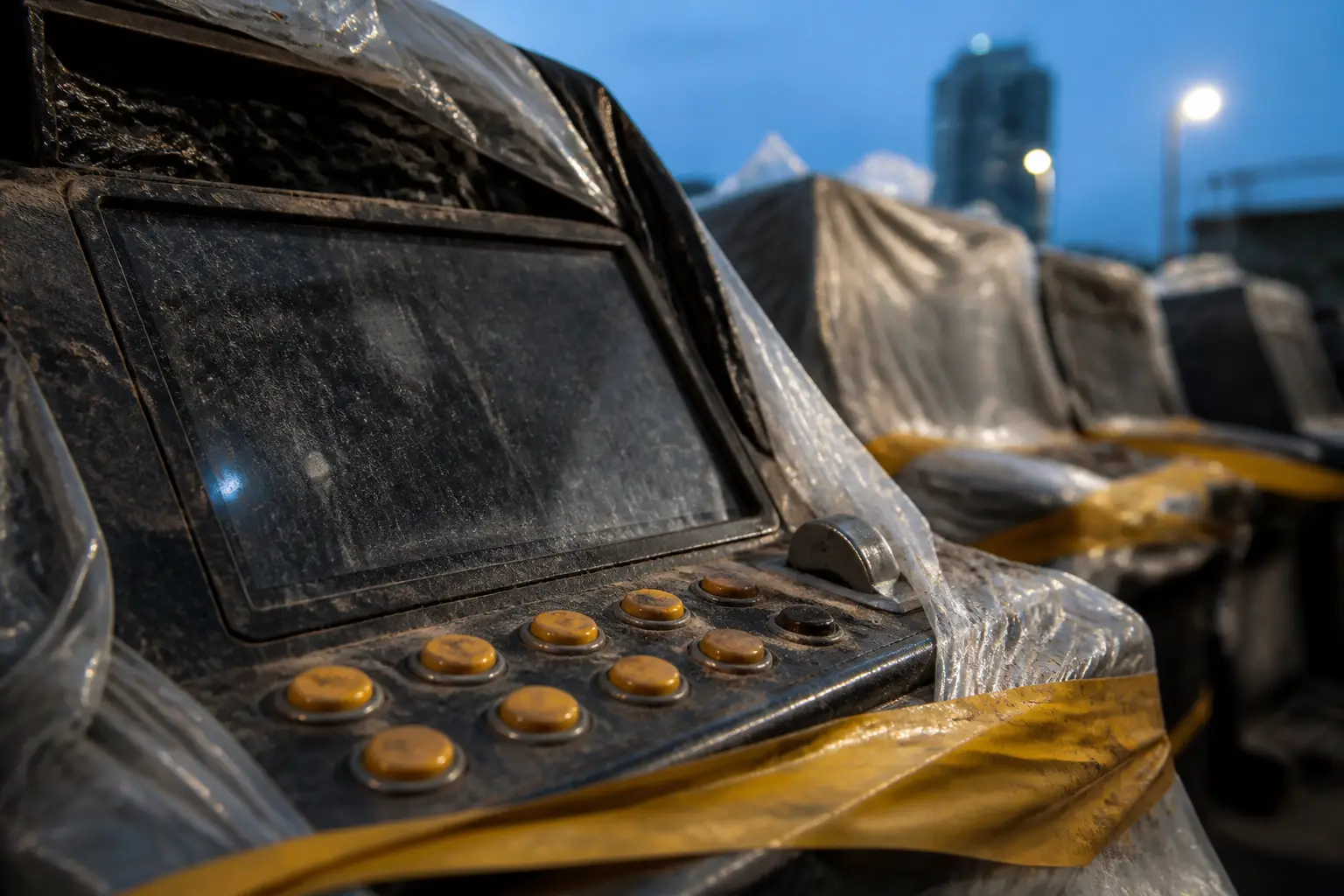
Investigators discovered that hundreds of machines were operating without the legally mandated Permit to Use. These devices did not appear in any BIR database, strengthening suspicions of large-scale tax evasion. The authorities acted swiftly, sealing or confiscating the hardware to prevent further illegal transactions. This included not just simple betting terminals, but also central servers and computerized units that form the backbone of betting operations in these arenas.
Numbers and facts
Exactly 297 devices were secured during the raids. The operation on August 8 was not an isolated incident but marks the start of a nationwide audit wave. BIR Commissioner Charlito Martin Mendoza emphasized that correct recording of every transaction is essential for market integrity. Arena operators have already begun to realize the gravity of the situation. Shortly after the raids, many started registering their previously undisclosed machines and settling outstanding penalties and taxes.
This measure is significant for the Philippine national budget, as official gambling revenues have recently come under pressure. According to data from the regulatory body PAGCOR, total Gross Gaming Revenue (GGR) fell by 26.64 percent in the first six months of 2026 compared to the previous year. It reached only 43.32 billion PHP (approximately 703.25 million USD), down from 59.05 billion PHP in the same period last year. Identifying unregistered revenue sources is therefore a top priority to fill budget gaps.
Background
The current enforcement action echoes similar raids conducted in 2020 in Quezon City. Even then, authorities attempted to bring the technological infrastructure behind cockfighting under state control. Cockfighting, known locally as Sabong, is deeply rooted in Philippine culture but frequently attracts criminal elements when digital monitoring of wagers is lacking.
"Betting transactions must be properly recorded, and the machines used for them must be properly registered with the BIR. We will continue checking cockpit operations nationwide and take appropriate action when we find violations." - Charlito Martin Mendoza, Commissioner of the Bureau of Internal Revenue
Mendoza has already directed all regional revenue offices to identify and verify all operational arenas in their districts. This involves not just the existence of the venues, but the validation of transaction logs to determine if additional taxes are due on past revenues.
Why it matters for German players
For German players, these events in the Philippines have no direct impact on their daily lives but serve as a cautionary tale about the importance of state regulation. While the focus in the Philippines is on physical betting devices in arenas, Germany is fighting for the enforcement of the 2021 Interstate Treaty on Gambling (GlüStV 2021) in the digital sphere. Anyone wishing to play safely in Germany should exclusively use platforms listed on the official whitelist of the Gemeinsame Glücksspielbehörde der Länder (GGL).
Only there can players rely on strict German protection measures, such as the 1,000 Euro monthly deposit limit through the LUGAS system and the 1 Euro per spin limit for virtual slots. Overseas providers, often touting licenses from Curacao or the Philippines, offer no legal certainty and generally violate German law. The raids in Manila clearly demonstrate how quickly technical infrastructures in gray markets can be shut down by authorities, which in the worst case means the loss of player funds.
What it means for GGL-licensed casinos
Licensed German operators benefit indirectly from such international news as it underscores the necessity of transparency. The GGL places great importance on ensuring every gaming device and software is certified, similar to how the BIR is now demanding the registration of every betting machine. In a regulated market like Germany, manipulation of gaming records is virtually impossible due to central monitoring. For GGL casinos, the global trend toward stricter controls validates their business model, which prioritizes strict compliance to ensure long-term stability over short-term gains in unregulated niches.
Frequently asked questions
How many devices were seized during the raid in the Philippines?
A total of 297 betting machines, servers, and computer units were sealed or confiscated by authorities. These were taken from eleven different cockpit arenas in the Manila and South Luzon regions.
Why did the tax authority BIR confiscate the betting machines?
The devices lacked the required Permit to Use and were not registered in the agency's official records. Consequently, the betting stakes processed on them could not be recorded for tax purposes.
What are the consequences for the arena operators?
Operators must now retroactively register their devices and pay outstanding taxes and penalties to have the hardware released. Furthermore, all past transaction data will be reviewed to determine further tax liabilities.
How has gambling revenue developed in the Philippines?
Gross Gaming Revenue (GGR) fell drastically by 26.64 percent in the first half of 2026 to 43.32 billion PHP. This is a significant decrease compared to the 59.05 billion PHP in the previous year's period.
Are these Philippine betting providers legal in Germany?
No, cockfighting bets and providers without a German GGL license are illegal in Germany. German players should only use providers that comply with the GlüStV 2021 and are on the official whitelist.
Share
About the author

Lisa Lustich
Editor-in-chief & casino tester
Lisa Lustich has been testing German-language online casinos since 1997 and runs the Lustich.de newsroom. More than 400 published reviews, certified player-protection advisor (BZgA training, 2019).
All articles by Lisa Lustich →Sources & further reading
Whitelist of permitted online operators
Editorial guidelines Lustich.de
BZgA problem-gambling helpline: 0800 1 372 700
 Philippines
Gambling can be addictive. Please play responsibly. Help and counselling at 0800 1 372 700 (BZgA, free & anonymous).
Related topics
Further Reading
 AI-GENERATED
Maryland Enacts Strict Enforcement Law Against Offshore Gambling Operators
New legislation in Maryland targets illegal offshore gambling and their payment providers, while Mississippi considers 10-year prison sentences for illegal operators.
 AI-GENERATED
Novig Pauses Lawsuits in Massachusetts and New Mexico
Prediction market operator Novig is halting its litigation against state regulators. In New Mexico, the case has been stayed until August 13, 2027, pending federal rulings.
 AI-GENERATED
Massive Gambling Sting in Tennessee: $1.3 Million Seized and 13 Arrested
A large-scale multi-agency operation in Columbia, Tennessee, led to the seizure of 144 gambling machines and over $1.3 million in cash this August.