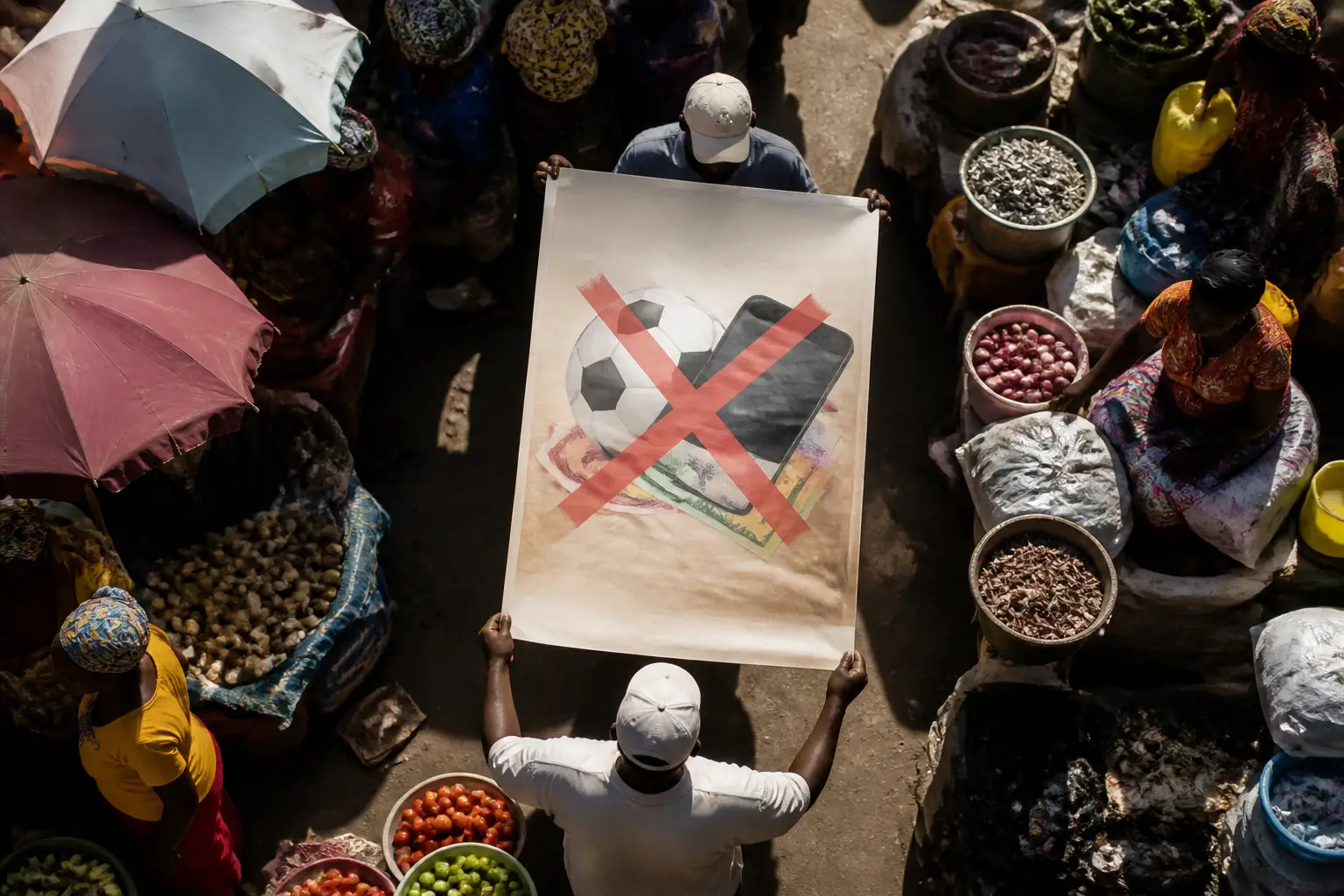
Illegal Gambling on Instagram: Colombian Influencer Fined $38,000
 AI-GENERATED
Coljuegos, the Colombian gambling regulator, has fined influencer Yeferson Cossio $38,000 for promoting unlicensed gambling activities to his millions of followers.
In the world of social media, its own laws often seem to apply, but state regulators are now cracking down increasingly hard on gambling. The well-known Colombian influencer Yeferson Esteban Cossio Castaño has now experienced this firsthand. The national gambling regulator, Coljuegos, has imposed a sensitive fine on the 32-year-old after he conducted and promoted illegal gambling activities on the Instagram platform. With over 12.2 million followers, Castaño has an enormous reach, which, according to investigators, he used for unauthorized raffle-style operations.
The action taken by the authorities clearly shows that the era of uncontrolled online giveaways by celebrities is coming to an end. Coljuegos responded to the investigation following concrete complaints about activities on the influencer's account. This is not just a minor offense, but a matter of protecting the state revenue monopoly, which in Colombia is traditionally used to finance the health system. Anyone acting without a license deprives the state of important funds and also jeopardizes player protection, as there is no oversight regarding the fairness and procedure of the games.
Numbers and facts
The financial impact for Castaño is significant. The fine imposed amounts to COP 116 million (Colombian pesos), which is equivalent to approximately US$38,000. To illustrate the severity of the fine in a local context, the regulator stated that this sum is equivalent to the total of the 2023 minimum wage for 100 months. In addition to the monetary payment, a five-year ban on operating games of chance was issued. For a content creator whose business model is based on interaction and giveaways, this often carries more weight than the purely monetary loss.
The regulatory authority emphasized its determination in enforcing the rules in its statement.
"With this decision, Coljuegos reaffirms its commitment to the fight against illegal gambling and to protecting the resources generated by this revenue monopoly to finance the health of Colombians." - Coljuegos Spokesperson
Background
The case of Yeferson Cossio is symbolic of a global problem. Influencers use their popularity to market products or services, whereby the lines between legal advertising and the illegal operation of gambling often blur. In Colombia, games based on chance are subject to strict state control by Coljuegos. Anyone offering a raffle or a casino-like game requires a corresponding concession. However, Castaño acted without any permission. The investigation was initiated after users reported irregularities. This underscores the importance of whistleblowing and public oversight in digital spaces.
The platform Instagram, owned by Meta, does provide guidelines for advertising, but the responsibility for complying with local laws lies primarily with the content creator. For regulators, it is a challenge to monitor the sheer volume of content, which is why prominent cases like this are intended to serve as a deterrent. The focus is particularly on protecting young target groups who are especially susceptible to the glitzy world of quick wins.
Why it matters for German players
For German players, this incident is an important reminder to be cautious with offers on social media. In Germany, the Interstate Treaty on Gambling 2021 (GlüStV 2021) is the authoritative set of rules. Only providers who are on the official whitelist of the Joint Gambling Authority of the Federal States (GGL) are allowed to legally operate or advertise online gambling. In Germany, strict limits are mandatory for legal offers: the deposit limit is 1,000 euros per month across all providers, controlled by the LUGAS system. In addition, there is a maximum stake limit of 1 euro per spin for virtual slot games. If an influencer in Germany promotes giveaways or casino content that bypasses these rules or has no reference to a German license, it is most likely an illegal offer. German players should be aware that winnings from such illegal sources are not legally enforceable and, in the worst case, they could make themselves liable to prosecution by participating.
What it means for GGL-licensed casinos
For operators with a GGL license, the Colombian example illustrates how important clean affiliate marketing and collaborations with influencers are. In Germany, advertising guidelines are extremely strict. Advertising for gambling must not be directed at minors and must not create an excessive incentive to play. GGL-licensed casinos must ensure that their partners – whether influencers or websites – comply with all requirements of the GlüStV 2021. A violation here can not only lead to fines for the advertiser but, in the worst case, jeopardize their own German license. The GGL monitors the market closely and actively takes action against advertising for illegal black market providers, who often operate from regions like Curacao or Malta without a German concession. Seriousness is the highest asset in the German regulated market.
Frequently asked questions
Who is Yeferson Cossio and why was he fined?
Yeferson Esteban Cossio Castaño is a Colombian influencer with 12.2 million followers. He was fined because he conducted illegal gambling and raffles on Instagram without the required state license.
How high is the fine for the influencer?
The fine amounts to US$38,000, which in Colombia corresponds to about 100 monthly minimum wages. Additionally, he is prohibited from commercially operating gambling activities for the next five years.
Why do authorities intervene in social media giveaways?
The Coljuegos authority wants to protect the state gambling monopoly, as the revenue from it finances the Colombian healthcare system. Furthermore, the intervention serves to protect consumers from unregulated and potentially unfair game offers.
Are influencers in Germany allowed to advertise for gambling?
Influencers in Germany may only advertise for providers that hold an official license from the GGL and are on the whitelist. In doing so, they must comply with the strictest advertising requirements, such as the ban on addressing minors and refraining from misleading profit promises.
How can I recognize a legal offer in Germany as a player?
A legal offer has a license from the GGL and is connected to the LUGAS system and the OASIS exclusion file. Furthermore, technical restrictions apply, such as the 1-euro stake limit per spin and a monthly deposit limit of 1,000 euros.
Share
About the author

Lisa Lustich
Editor-in-chief & casino tester
Lisa Lustich has been testing German-language online casinos since 1997 and runs the Lustich.de newsroom. More than 400 published reviews, certified player-protection advisor (BZgA training, 2019).
All articles by Lisa Lustich →Sources & further reading
Whitelist of permitted online operators
Editorial guidelines Lustich.de
BZgA problem-gambling helpline: 0800 1 372 700
 Colombia
Gambling can be addictive. Please play responsibly. Help and counselling at 0800 1 372 700 (BZgA, free & anonymous).
Related topics
Further Reading
 AI-GENERATED
Australia to Launch National Opt-Out Register for Gambling Advertisements
The Australian government is pushing for a central opt-out register to shield citizens from gambling ads. Violations could result in fines of up to 7,500 penalty units.
 AI-GENERATED
Nebraska Voters to Decide on Online Sports Betting This November
Nebraska moves closer to legalizing mobile betting. Supporters submitted 350,000 signatures to place the issue on the November 2026 ballot.
 AI-GENERATED
Elon Musk Faces Fraud Lawsuit Over $1M Voter Giveaway Controversy
A federal judge ruled that Elon Musk must face fraud charges concerning his $1 million election giveaways, after evidence suggested winners were not chosen randomly.