
George Cottrell Under Fire: 9 Million Dollar Trump Bet Sparks Investigation
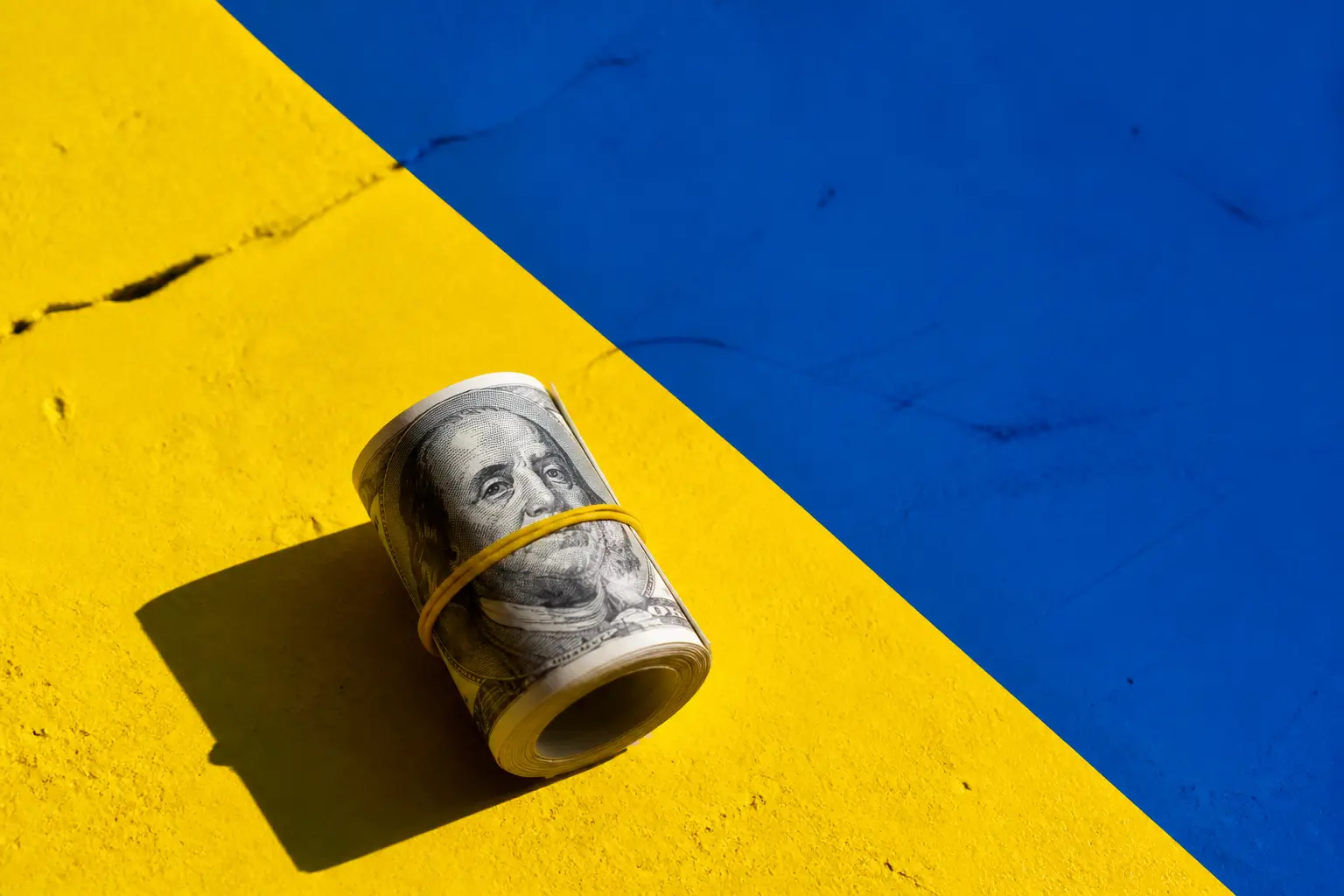
A massive $8.8 million wager on Donald Trump winning the 2024 election is being scrutinized. George Cottrell reportedly acted as a frontman for betting syndicates.
The world of high-stakes gambling is rarely transparent, but the case of George Cottrell is currently bringing explosive details to light. The 32-year-old Briton is at the center of an investigation involving a massive sum wagered on the outcome of the 2024 US presidential election. Cottrell, who has previously gained attention for his connections to politics and professional gambling networks, reportedly placed nearly 9 million dollars on a Donald Trump victory. This transaction occurred on the crypto betting platform Polymarket, which is now banned in the UK.
What makes this case stand out is not just the sheer size of the bet, but the source of the funds and the distribution of the profits. It is no longer a secret that Cottrell often acts as the public face for backers who prefer to remain in the shadows. The money trail leads directly into the world of cryptocurrency and professional betting syndicates that analyze the market with mathematical precision. These syndicates often use strawmen to open accounts with bookmakers who generally discourage professional bettors. In this instance, the strategy seems to have paid off handsomely, even if the legal aftermath is now making the entire industry nervous.
Numbers and facts
Let's dive into the financial details, as the figures are staggering. In October 2024, George Cottrell joined Polymarket and shortly thereafter placed a bet of 8.8 million US dollars on Donald Trump. The risk was rewarded. The bet returned 13.3 million dollars, representing a net profit of 4.46 million dollars. Investigations revealed that the funds originated from various crypto wallets. 7 million dollars came from the OKX exchange, while another 1.83 million dollars were sent from the ChangeNOW platform. Following the lucrative win, Cottrell transferred 13 million dollars back to OKX and 282,000 dollars to ChangeNOW.
However, not everything is going smoothly. While the Trump bet was a hit, other engagements on the Polymarket account performed significantly worse. In recent months, the account recorded losses of over a million dollars. Particularly painful were bets on markets related to the conflict between the US and Iran, where around 700,000 dollars were lost. It remains unclear whether Cottrell made these decisions himself or was merely following orders. Documents from a lawsuit show that Cottrell acted as a frontman for Tony Bloom’s StarLizard betting syndicate. There, the account saw massive swings. In one month, the account lost 10 million pounds, approximately 13.67 million dollars, only to bounce back three months later with a profit of over 3 million dollars.
Background
The intertwining of gambling profits and political influence is the real powder keg in this story. Cottrell is accused of using profits from his bets to fund the campaign of Nigel Farage, leader of Reform UK. This includes luxury trips to Palm Beach for meetings with Elon Musk and providing a five-story house near Buckingham Palace. The distribution of betting winnings follows a clear key, as evidenced by court documents from former partner Ryan Dudfield.
„I am concerned that there may have been an unauthorised disclosure of information derived from Suspicious Activity Reports, or other confidential financial intelligence held by the National Crime Agency.“ - George Cottrell, alleged betting frontman to the NCA
Cottrell is fighting against the publication of his financial data and has urged the National Crime Agency (NCA) to investigate leaks within its own ranks. He argues that using private financial information in the public domain undermines confidence in the institutions responsible for safeguarding such data. Meanwhile, Tony Bloom claims that Cottrell’s accounts were only used after Dudfield had been paid out and further denies that any of the accounts were held at the platform Stake.
Why it matters for German players
For German casino fans, stories like this sound like a Hollywood script, yet they emphasize why regulation is so vital. In Germany, the State Treaty on Gambling 2021 (GlüStV 2021) is in effect. It is designed to prevent exactly these kinds of opaque financial flows. Anyone playing with a licensed German provider is bound by a deposit limit of 1,000 euros per month. Furthermore, stakes on online slots must not exceed the 1-euro limit per spin. These rules may seem strict compared to 9-million-dollar bets, but they protect players from total financial ruin.
The LUGAS system also ensures monitoring of these limits across all providers. In Germany, there are no anonymous crypto bets of this magnitude. Those who want to play safely exclusively use portals listed on the GGL whitelist. Providers without a German license, such as Polymarket or various overseas crypto casinos, offer no legal security. If funds are frozen there or money laundering investigations occur, players usually never see their money again. In Germany, every cent is secured by the supervision of the Joint Gambling Authority of the States (GGL).
What it means for GGL-licensed casinos
German operators with a GGL license must meet extremely strict requirements for checking the source of funds (Know Your Customer - KYC). A case like George Cottrell's would be technically and legally impossible in a legal German online casino. Identity must be verified immediately, and money laundering prevention mechanisms trigger instantly for unusually high transactions. This protects the market from criminals and syndicates.
The GGL pays close attention to ensuring that no strawman accounts are misused for betting syndicates. Reputable German providers value transparency and fair gaming conditions. While international headlines about multi-million dollar bets and political entanglements provide entertainment, the German market offers the necessary reliability for the average player. You might not win 4 million euros with a crypto bet on the US election, but you are playing in an environment where the rules are the same for everyone.
Sources & further reading
- Joint Gambling Authority of the German Federal States (GGL): gluecksspiel-behoerde.de
- Whitelist of permitted online operators: GGL-Whitelist
- BZgA problem-gambling helpline: 0800 1 372 700 (free, anonymous, 24/7)
- Editorial methodology: Editorial guidelines Lustich.de
Gambling can be addictive. Please play responsibly. Help and counselling at 0800 1 372 700 (BZgA, free & anonymous).