Hokkaido Set to Decide on Casino Resort in Autumn, Tomakomai Stays Front-Runner
Japan's northern prefecture Hokkaido plans to decide in October on entering an Integrated Resort project. Tomakomai is ahead of Hakodate. Here is what it means for Asia's casino market and why German players should not get carried away.
Hokkaido, the northernmost main island of Japan, is moving toward a decision that the Asian casino industry has been waiting for for years. On Tuesday the prefectural assembly in Sapporo tabled a draft meant to give Governor Naomichi Suzuki the basis for an official bid on an Integrated Resort (IR). It will pass through parliamentary committees until September, with the decision falling in October. iGamingToday.com reported on June 11, citing GGR Asia.
What is at stake? Japan has been opening its casino market step by step since the 2018 IR Implementation Law. So far only one project has been licensed, MGM Osaka, a YEN 1.51 trillion resort complex on Yumeshima Island due to open by 2030. A second licensing round runs from May 6 to November 5, 2027. Within that window Hokkaido wants to submit its bid, if the prefectural assembly gives the green light in autumn.
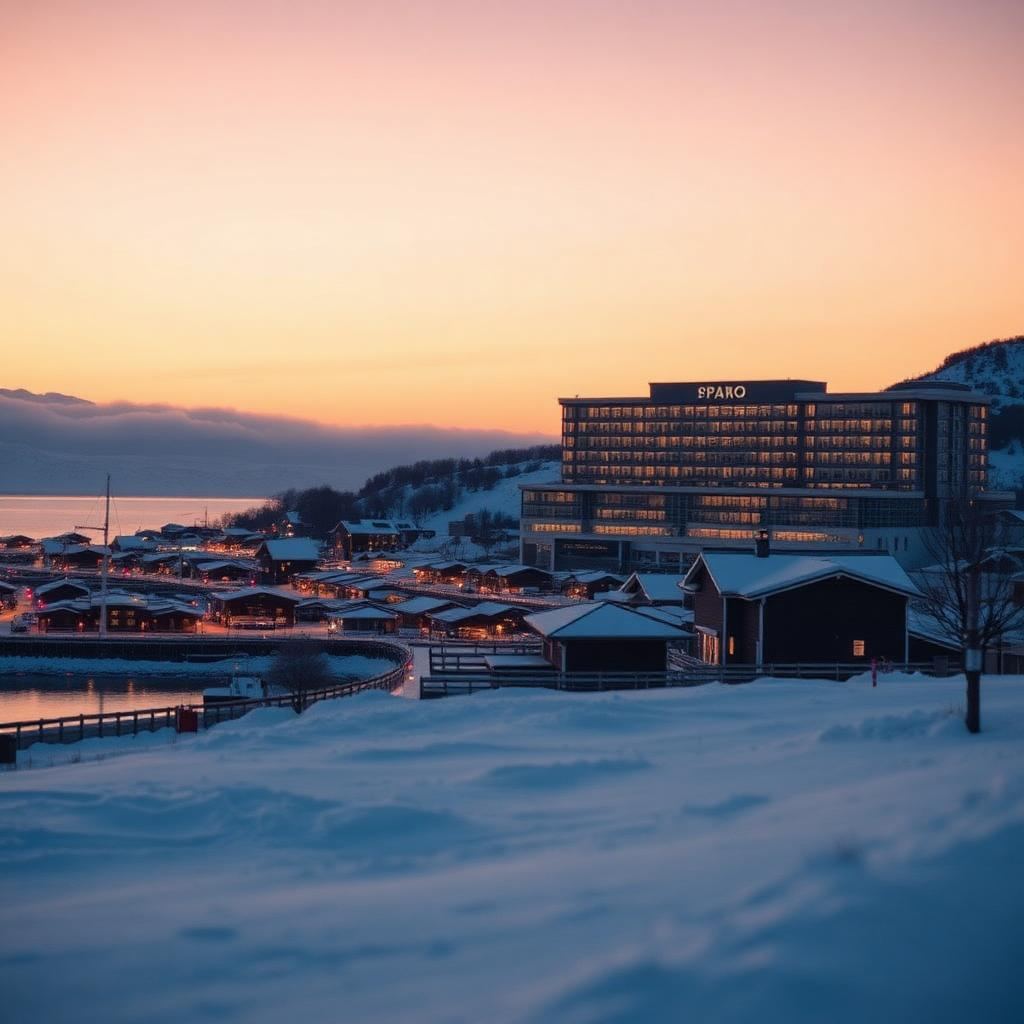
Tomakomai is increasingly emerging as the location. The port city in southern Hokkaido has 165,000 inhabitants, an international airport (Chitose) 20 kilometres away and has reserved a concrete plot in the Numanohata district for years. Rival Hakodate, long seen as the alternative, conceded in Tuesday's plenary that it has neither a political consensus nor the necessary land. That effectively rules the city out of the next round.
Hokkaido's draft sets clear conditions. The operator must be a special-purpose company with local Hokkaido firms involved. The goal is new tourism demand from inbound travellers and high-net-worth individuals. The host municipality must shoulder substantial upfront investment, mainly land acquisition and infrastructure. That is a classic Hokkaido pattern: heavy regulation by the prefecture, heavy spending by the city.
For the Asian market a second Japanese IR would be a meaningful signal. Macau has been losing margin since the 2023 gambling reform, Singapore is saturated, Vietnam and Sri Lanka are developing only hesitantly. Tomakomai together with MGM Osaka could form a northern axis attracting international guests primarily from South Korea, Taiwan and Singapore. Operators that have signalled interest include Mohegan Gaming, Hard Rock International and a consortium of Mitsubishi Estate and Las Vegas Sands.
From a German angle this is all far away, but it has an indirect effect. Japanese IR casinos are likely to require similarly strict entry controls as Singapore (USD 100 entry fee for locals, online self-exclusion). Such safeguards are increasingly cited as a model in international regulatory debate, including at the GGL. Director Ronald Benter explicitly referenced the Japanese model in his speech at the Berlin gambling symposium in late May.
For German players travelling to Hokkaido there is nothing to gain right away. Even if the prefecture says yes in October, opening will take at least five to seven years. Anyone wanting to play legally in Germany stays with the roughly 30 GGL-licensed online casinos. Anyone looking for a licensed land-based experience finds it in the state casinos, like Spielbank Hamburg, Spielbank Berlin or the 17 Bavarian Spielbanken. Lustich.de will keep an eye on the Hokkaido decision in October, because it will indirectly shape the German regulatory debate.
Sources & further reading
- Joint Gambling Authority of the German Federal States (GGL): gluecksspiel-behoerde.de
- Whitelist of permitted online operators: GGL-Whitelist
- BZgA problem-gambling helpline: 0800 1 372 700 (free, anonymous, 24/7)
- Editorial methodology: Editorial guidelines Lustich.de
Gambling can be addictive. Please play responsibly. Help and counselling at 0800 1 372 700 (BZgA, free & anonymous).