
Kenya Parliament Moves to Toughen Match-Fixing Betting Penalties
 AI-GENERATED
Kenya’s National Assembly proposes doubling fines to 1 million KSh for sports manipulation to combat organized crime in football.
The Kenyan Parliament is taking a decisive step in the fight against sports corruption. With the passage of the Sports (Amendment) Bill 2026 at its second reading, a comprehensive criminalization of match-fixing is within reach. Nominated MP Irene Mayaka, who introduced the bill on July 29, 2026, sees an urgent need for action, as the current regulations in the Betting, Lotteries and Gaming Act are considered entirely inadequate. The limited penalties, in particular, were at the center of the debate, as they offered little deterrent to criminal networks.
The new legislation aims to close gaps in current case law and force cooperation between state authorities, sports organizations, and betting operators. The international Convention on the Manipulation of Sports Competitions, known as the Macolin Convention, serves as a vital guide. Kenya is following models like Italy, where match-fixing has long been prosecuted as a serious crime. The urgency is underscored by real-world incidents: between 2021 and 2023, there were massive attempts to influence Nairobi City Stars matches in the Premier League, leading to a police sting and three arrests in 2023.
Numbers and facts
The new bill introduces Section 64A, which massively increases financial sanctions. While the current law provided for a maximum fine of KSh 500,000, this amount will be doubled to up to KSh 1 million (approximately US$ 7,740). Interestingly, the maximum jail term in this specific section is set at one year, while other parts of the Sports Act previously allowed for up to three years. MPs heatedly debated whether KSh 1 million is enough to deter the masterminds behind multi-million shilling bets.
In addition to criminal consequences, the bill provides for drastic sporting sanctions. Athletes and clubs face match forfeiture, disqualification from competitions, or even lifetime bans. Irene Mayaka emphasized the need for disciplinary harmony during the debate.
"Section 61 of the Betting, Lotteries and Gaming Act (Cap. 131) prohibits cheating in betting. A maximum penalty of six months is minimal." - Irene Mayaka, Nominated MP in the Kenya National Assembly
Background
The motivation behind the tougher legislation also lies in growing concerns for the integrity of youth. Deputy Majority Leader Owen Baya pointed out that the presence of large betting firms like SportPesa can make young players vulnerable to manipulation. The prospect of high payouts through rigged results threatens sporting fairness and leads to financial losses for honest bettors. Sports Kenya will be given more powers to investigate suspicious cases alongside other agencies. These investigations must be concluded within six months by law to ensure swift justice. Robert Basil added that the bill is designed to strengthen cooperation so that regulators and law enforcement can act more effectively against manipulation.
Why it matters for German players
For German players operating in the regulated market, this development in Kenya offers an important insight into the global nature of the betting market. In Germany, the Interstate Treaty on Gambling 2021 (GlüStV 2021) is the benchmark. While Kenya is still struggling with criminalization, a tight net for monitoring betting flows has already been established in Germany through the Joint Gambling Authority of the States (GGL). German players should exclusively bet with providers listed on the official GGL whitelist.
Only there do protective mechanisms apply, such as the monthly deposit limit of 1,000 euros via the LUGAS system and the one-euro-per-spin limit for slots. Betting with providers without a German license (often from Malta or Curacao) carries the risk of becoming a victim of manipulated markets against which there is little legal recourse. The integrity of sport is the basis for every fair bet. When countries like Kenya toughen their laws, it indirectly protects the global betting market from distortion by betting syndicates.
What it means for GGL-licensed casinos
German casinos and betting providers with a GGL license benefit from stable international standards. Transparency is the top priority. Providers must report suspicious betting patterns immediately. Tough action against match-fixing in countries like Kenya reduces the risk of manipulated games slipping into the odds lists of German licensees. This ensures the long-term profitability and reputation of legal operators in Germany. Those on the whitelist commit to cooperating with authorities, which is supported on an international level by the new Kenyan rules.
Frequently asked questions
What new penalties is Kenya planning against match-fixing?
Parliament envisions fines of up to 1 million KSh (approx. 7,740 USD) and prison sentences of up to one year. This doubles the previous financial sanctions for betting fraud.
Why is this law important for Kenyan sports?
It responds to corruption cases at Nairobi City Stars between 2021 and 2023. The goal is to permanently secure the integrity of sport through lifetime bans and point deductions.
What role does the Macolin Convention play?
It serves as an international standard for cooperation between governments and betting providers. Kenya uses it as a model to detect and sanction manipulation more effectively.
What does LUGAS mean for German betting customers?
LUGAS is the central supervisory system in Germany that ensures compliance with the monthly deposit limit of 1,000 euros. It serves player protection and prevents excessive losses across different providers.
Are Kenyan betting providers legal in Germany?
No, in Germany, players may only bet with providers that hold a license from the GGL and are on the whitelist. Providers like SportPesa do not have a German license for the local market.
Share
About the author

Lisa Lustich
Editor-in-chief & casino tester
Lisa Lustich has been testing German-language online casinos since 1997 and runs the Lustich.de newsroom. More than 400 published reviews, certified player-protection advisor (BZgA training, 2019).
All articles by Lisa Lustich →Sources & further reading
Whitelist of permitted online operators
Editorial guidelines Lustich.de
BZgA problem-gambling helpline: 0800 1 372 700
 Kenya
KenyaGambling can be addictive. Please play responsibly. Help and counselling at 0800 1 372 700 (BZgA, free & anonymous).
Related topics
Further Reading
 AI-GENERATED
Entain Faces Australian Class Action Lawsuit Over Fast Code In-Play Betting
Gambling giant Entain is hit with a class action in Australia alleging its Fast Code system for in-play betting breached the 2001 Interactive Gambling Act.
 AI-GENERATED
Virtual Sports in North America: Navigating Complex State-by-State Regulations
Robert Miller of Kiron North America warns that fragmented regulations hinder virtual sports. Meanwhile, Brazil saw licensed operators grow to 78 by August 2025.
 AI-GENERATED
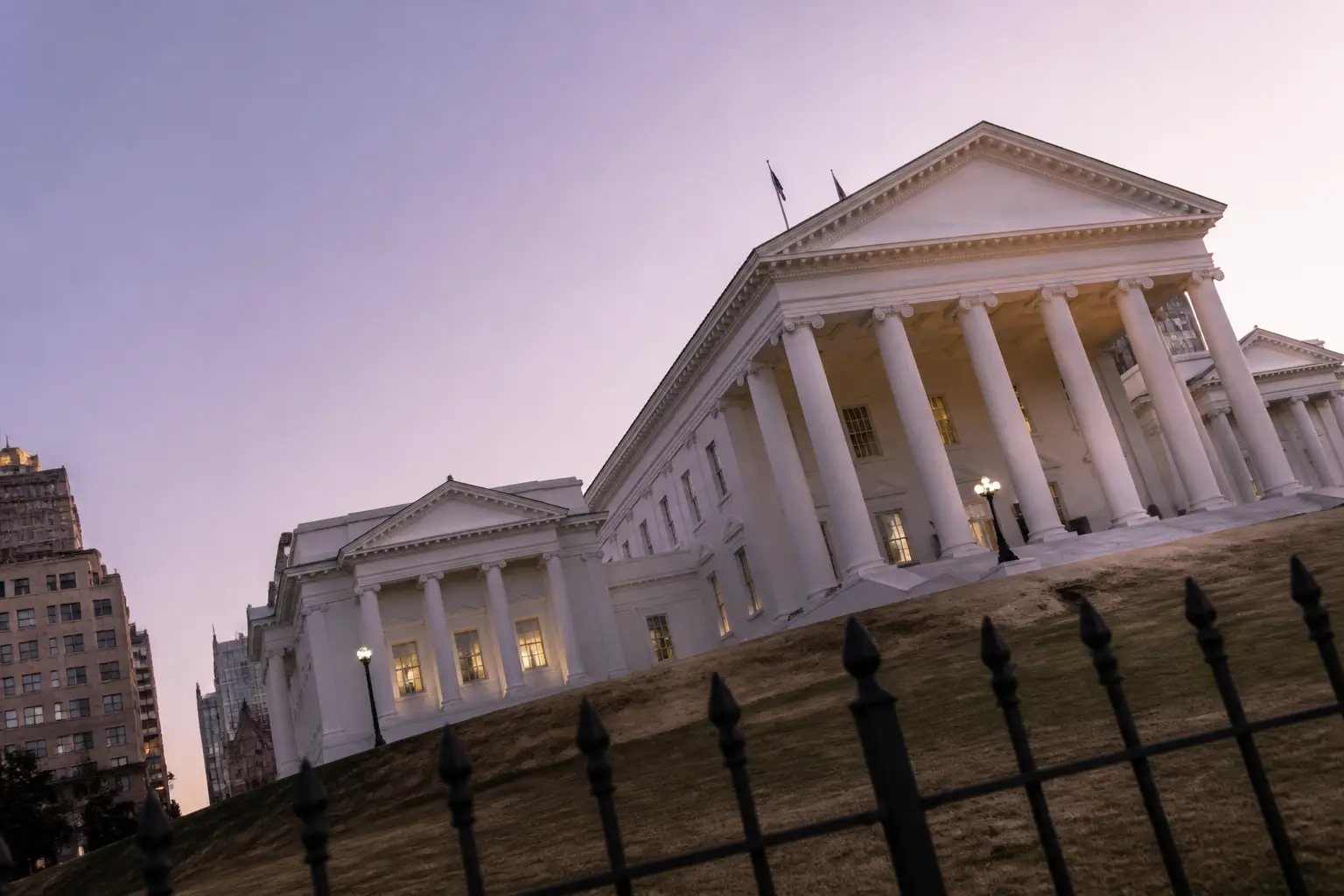
Huge Campaign Donations for Virginia Lawmakers Following Failed iGaming Bill
After online casino legislation stalled in Virginia, five Republican senators received $100,000 checks each from the Sports Betting Alliance.