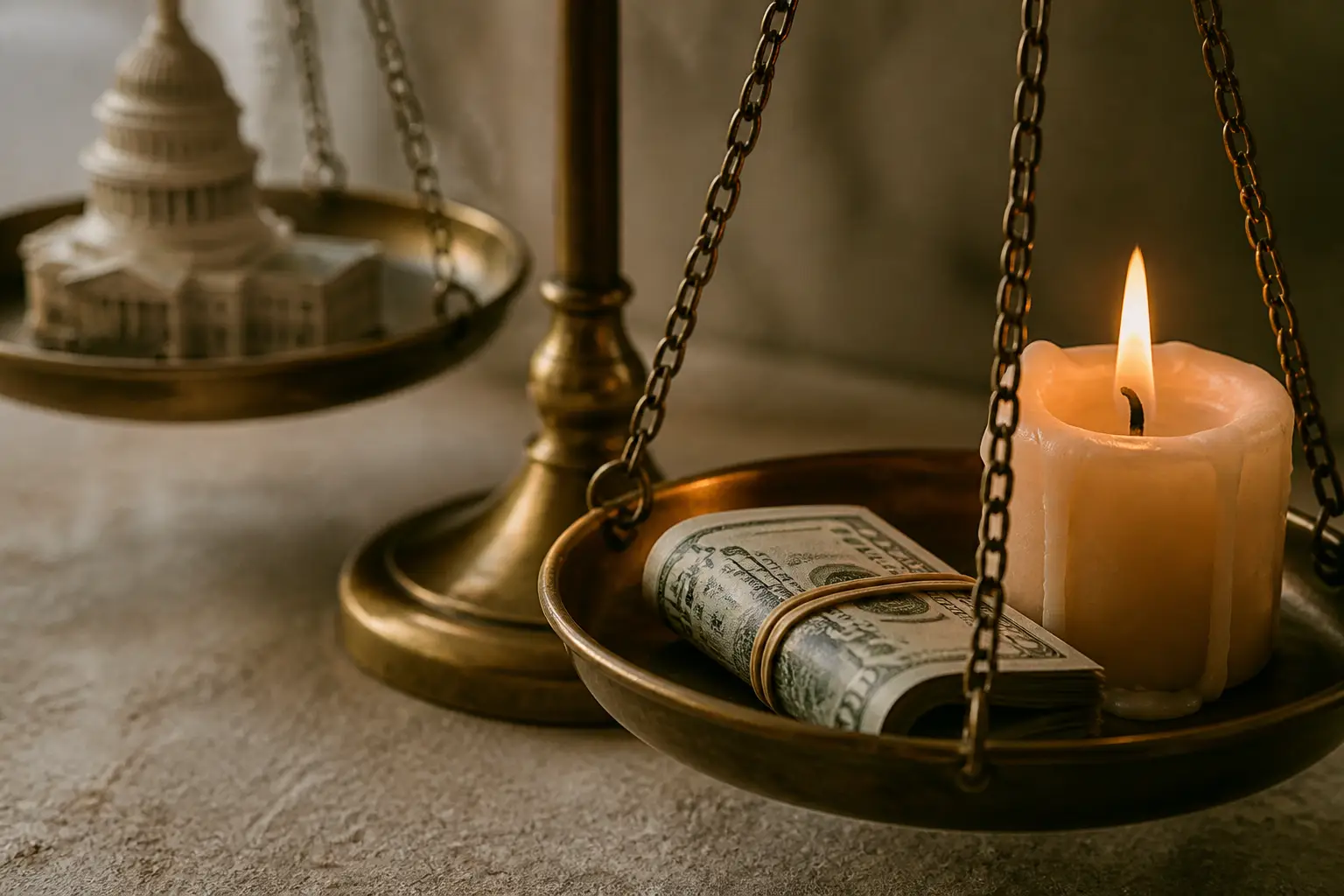
Massachusetts Gambling Conflict: Horse Racing Machines Spark Outrage
 AI-GENERATED
The Massachusetts House proposes allowing HHR machines at racetracks, facing fierce backlash from local tribes who call it a backroom deal.
A significant political storm is brewing in Massachusetts, threatening to reshape the local gaming landscape. The state's House of Representatives has included a provision in its economic development bill that would clear the way for Historical Horse Racing (HHR) machines. These devices are intended for Raynham Park and Suffolk Downs, providing these historic racing venues with a much-needed new revenue stream. However, what appears to be a technical adjustment to racing laws is actually a high-stakes battle for market share and billions in potential turnover.
The Mashpee Wampanoag Tribe and the financial backers of the proposed First Light Casino in Taunton are leading the opposition. They view the authorization of these machines as a clear breach of existing understandings and a massive threat to their investments. The conflict highlights the delicate balance legislators must strike when attempting to reconcile the interests of racetrack operators, casino corporations, and indigenous nations.
Numbers and facts
The House voted 156-3 on July 22 to authorize a comprehensive package that includes the legalization of sports betting. Tax revenue projections for the sports betting market are estimated at $70 million annually. The bill outlines different tax rates: 12.5 percent for in-person bets and 15 percent for mobile wagers. An additional 1 percent of wagers will be allocated to fund sports betting security and integrity. The HHR provision was originally introduced as Amendment 386 but was eventually rolled into the larger Consolidated Amendment D. This forced many lawmakers to vote for the entire package, even if they harbored concerns about the horse racing machines.
The situation in Taunton is particularly complex. The three local representatives, Democrat Lisa Field and Republicans Justin Thurber and Norman Orrall, surprisingly support the HHR provision despite the tribe being located in their district. On the other side is Genting, the financial muscle behind First Light Casino. The company warns that allowing HHR machines at competing locations could jeopardize the investment needed to transform their current modular trailer setup into a full-scale casino resort. Meanwhile, Governor Charlie Baker is pushing for a resolution, having already earmarked $35 million in projected revenue for his 2022 budget.
Background
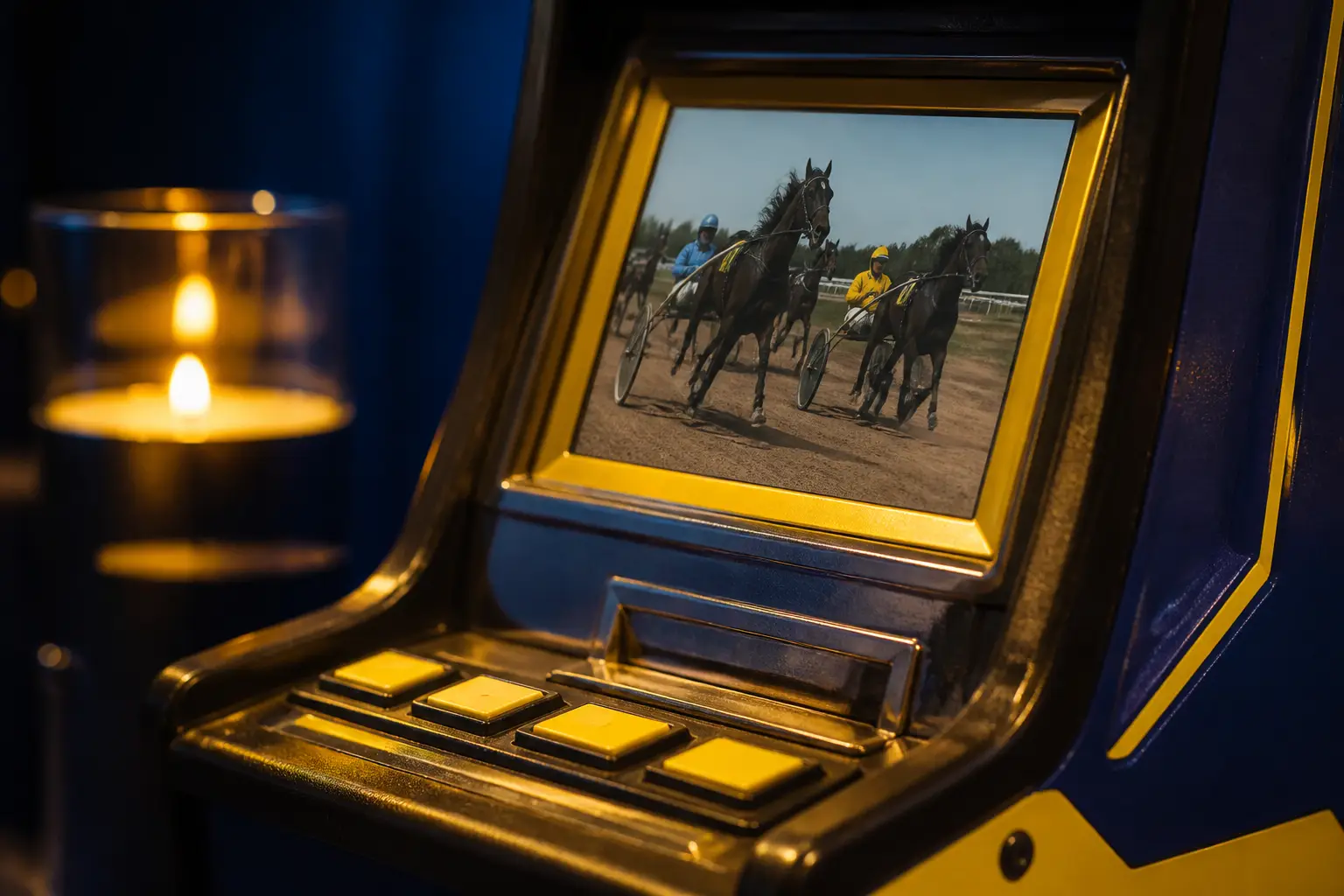
Historical Horse Racing machines look like traditional slot machines but operate differently. Instead of a random number generator, the results are determined by the outcomes of thousands of actual past horse races. For the Mashpee Wampanoag, this is a distinction without a difference. They label the machines as de facto slot machines that undermine their exclusive rights to casino gaming in the region.
„The tribe has criticised the provision as a backroom deal.“ - Representative of the Mashpee Wampanoag Tribe
This accusation carries weight and targets the perceived lack of transparency in the legislative process. By embedding the HHR provision in a massive economic package, lawmakers avoided a standalone debate on its impact on tribal compacts. Now, the legislation moves to the Senate, which has historically taken a more conservative stance on gambling expansion. Senate President Karen Spilka and Majority Leader Cynthia Creem have expressed skepticism in the past. It remains to be seen if HHR machines will survive the conference committee negotiations.
Why it matters for German players
For players in Germany, a dispute in Massachusetts might seem distant, but the parallels are striking. Germany’s Interstate Treaty on Gambling 2021 (GlüStV 2021) also strictly regulates who can offer specific games. Protecting local licenses and maintaining clear boundaries between game types are central pillars of German regulation under the Joint Gambling Authority of the States (GGL). However, German rules are significantly stricter than those in the U.S. For instance, there is a fixed 1 Euro per spin limit on virtual slots and a monthly deposit limit of 1,000 Euro, monitored via the LUGAS system.
A scenario like the one in Massachusetts, where machines operate in a grey area under the guise of horse racing, is virtually impossible in Germany. The GGL whitelist provides German players with necessary security. Those playing with a licensed operator can trust that games are fair and player protection is prioritized. German players should avoid illegal offerings from Curacao or MGA-licensed casinos, as these often bypass German limits and offer no legal recourse in case of disputes.
What it means for GGL-licensed casinos
German casinos with a GGL license benefit from the legal certainty provided by a clear framework. While tribes and private operators in the U.S. spend years in court fighting over definitions, German providers know exactly which mechanics are permitted. The introduction of HHR-like hybrid games would immediately fail the GGL's rigorous review process. For licensed operators, this means fair competition without the backroom deals lamented by the Mashpee Wampanoag. The transparency of the German market ensures the long-term stability of serious business models.
Frequently asked questions
What are Historical Horse Racing machines?
These machines resemble slot machines but use results from past horse races to determine wins. They are often used to provide slot-like gaming in regions where traditional casinos are prohibited or limited.
Why is the Mashpee Wampanoag Tribe protesting?
The tribe operates the First Light Casino in Taunton and fears HHR machines at nearby tracks like Raynham Park will destroy their business. They view the legislation as an unfair deal threatening their economic survival.
How much revenue does Massachusetts expect from the new legislation?
Estimates suggest sports betting alone could generate approximately $70 million in annual tax revenue. Governor Charlie Baker has already included $35 million of this in his budget planning.
Are there HHR-like machines in Germany?
No, in Germany, the mechanics of online slots are strictly defined by the GlüStV 2021 and must be approved by the GGL. Hybrid forms mixing horse racing with slot features do not meet German regulatory standards.
What should German players look for in online gambling?
Players should only use platforms listed on the official GGL whitelist. These sites enforce critical protections like the 1,000 Euro deposit limit and the OASIS lock system to prevent gambling addiction.
Share
About the author

Lisa Lustich
Editor-in-chief & casino tester
Lisa Lustich has been testing German-language online casinos since 1997 and runs the Lustich.de newsroom. More than 400 published reviews, certified player-protection advisor (BZgA training, 2019).
All articles by Lisa Lustich →Sources & further reading
- Joint Gambling Authority of the German Federal States (GGL): gluecksspiel-behoerde.de
- Whitelist of permitted online operators: GGL-Whitelist
- BZgA problem-gambling helpline: 0800 1 372 700 (free, anonymous, 24/7)
- Editorial methodology: Editorial guidelines Lustich.de
 United States
Gambling can be addictive. Please play responsibly. Help and counselling at 0800 1 372 700 (BZgA, free & anonymous).
Related topics
Further Reading
 AI-GENERATED
Philippines Extends E-Gaming Supplier License Deadline to September 30
Regulator PAGCOR provides B2B suppliers additional time to transition to the new licensing framework. Systems missing the deadline face decommissioning by October 1.
 AI-GENERATED
Romania Implements Aggressive New Tax Regime on Gambling Winnings
As of August 1, 2026, Romania has launched a tiered tax system for gambling payouts, reaching up to 40 percent for high winnings.
 AI-GENERATED
Cyprus Overhauls Gambling Laws as Market Hits €1.3 Billion Milestone
Cyprus is introducing a new regulatory framework for B2B tech suppliers after its betting turnover soared to €1.3 billion in 2025.