Norway Grapples with Inside Trading on Prediction Markets

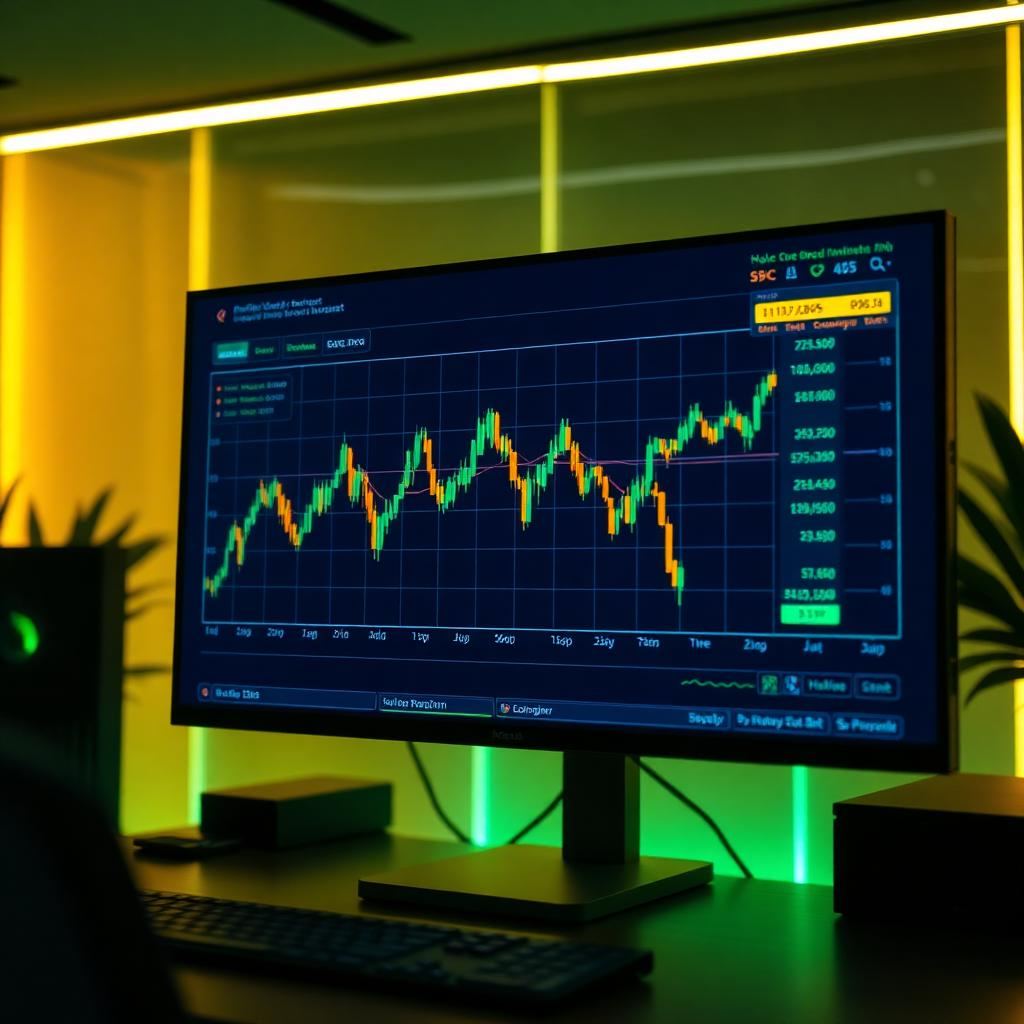
Prediction markets, once niche products, are booming. Their monthly trading volume surged from under 100 million US dollars in early 2024 to over 13 billion US dollars by late 2025. This rise alarms regulators, especially in Norway.
Norway is facing new challenges with the rise of prediction markets. These platforms, allowing bets on future events, are increasingly scrutinized by authorities worldwide. The main concern revolves around the fear of insider trading, a problem extending far beyond traditional financial markets.
The worry is growing that individuals with non-public information could exploit it to gain illicit profits on prediction markets. This affects not only political events but increasingly corporate earnings, product launches, and even celebrity events. Regulators are now tasked with creating a legal framework. Such regulation is crucial to maintain trust in these new forms of betting and prevent manipulation.
Numbers and facts
Prediction markets have seen explosive growth in recent years. Monthly trading volume rose from less than 100 million US dollars in early 2024 to over 13 billion US dollars by the end of 2025. This impressive 130-fold increase highlights the growing popularity of these platforms. Companies like Kalshi and Polymarket operate as Commodity Futures Trading Commission (CFTC)-registered designated contract markets. They offer contracts tied to a variety of events, including corporate earnings, M&A announcements, and regulatory approvals. Kalshi, the leading US-based prediction market, has conducted over 200 investigations into potential insider trading in the first quarter of 2026 alone; the previous year also saw over 200 cases. Robert DeNault, head of enforcement at Kalshi, told ABC News that monitoring for insider trading is now Kalshi's “No. 1 priority.”
Background
Insider trading in securities is clearly defined and monitored by authorities like the US Securities and Exchange Commission (SEC). For prediction markets, the situation is more complicated, as the instruments offered by these platforms are not currently considered regulated securities. This creates a compliance gap. Traditional corporate insider trading policies are often not designed for these new markets. For example, an analyst with advance knowledge of poor corporate results can place corresponding bets on a platform without violating existing company policies. The concept of "shadow trading," as defined in the *SEC v. Panuwat* case, significantly expands the risks. This involves insiders using information to invest in shares of similar companies to profit from upcoming news. This could be transferable to prediction markets.
Cases like that of a Google employee who fraudulently made over 1 million US dollars using inside information in Polymarket bets on search trends, or a US Special Forces soldier who wagered on the success of a US raid against Venezuelan President Nicolas Maduro, illustrate the urgency of the situation. These incidents highlight the immense potential for individuals with internal information to use it for personal gain. Jeff Probst, the host of the popular US television show “Survivor,” recently criticized prediction markets for “incentivizing people to lie” after suspiciously accurate bets were placed on the winners of his show. This points to the difficulty of controlling insider trading in such markets, especially when events are taped months before airing.
Why it matters for German players
For German players, prediction markets have played a minor role so far. The focus here traditionally lies on sports betting, lotteries, and online casino games. Should such markets gain relevance in Germany, they would face similar regulatory challenges as in Norway or the USA. According to the German Interstate Treaty on Gambling 2021 (GlüStV 2021), online gambling in Germany is strictly regulated. The Joint Gambling Authority of the Federal States (GGL) licenses and monitors all legal offerings. This means that any form of betting offer, including potential prediction markets, would require a corresponding license and would have to meet the stringent requirements. These include player protection measures such as the 1-euro stake limit per spin for slot machines and the monthly deposit limit of 1,000 euros. In addition, such providers would have to be connected to the central self-exclusion system LUGAS to protect individuals at risk of gambling addiction. The current debates in Norway and the USA show how complex the regulatory classification of these novel forms of betting is, especially regarding insider trading.
What it means for GGL-licensed casinos
Online casinos with a German license from the GGL are not directly affected by the discussion about prediction markets and insider trading. Their core business consists of slot machines, online poker, or live casino games, which are subject to clear rules. These casinos are comprehensively regulated by the GGL to ensure game integrity and player protection. There are no points of connection for insider trading, as game outcomes are based on random number generators and cannot be influenced by external, non-public information. The GGL places great emphasis on transparency and fairness, and these principles are ensured through regular controls and audits. However, the public discussion about the integrity of online betting markets in general could influence the demand for even stricter regulations, also for established forms of gambling. This could lead to further requirements for GGL-licensed providers to strengthen player trust and demonstrate the political will to prevent fraud and manipulation. The GGL will closely monitor developments in other countries to take precautionary measures if necessary.
“The integrity of our markets is at stake in this room.” - Robert DeNault, Head of Enforcement at Kalshi
Sources & further reading
- Joint Gambling Authority of the German Federal States (GGL): gluecksspiel-behoerde.de
- Whitelist of permitted online operators: GGL-Whitelist
- BZgA problem-gambling helpline: 0800 1 372 700 (free, anonymous, 24/7)
- Editorial methodology: Editorial guidelines Lustich.de
Gambling can be addictive. Please play responsibly. Help and counselling at 0800 1 372 700 (BZgA, free & anonymous).