Niagara Casino Monopoly Ends: Ontario Opens Doors for New Operators
 AI-GENERATED
The Ontario government terminates MGE Niagara's exclusivity rights. This paves the way for additional casino operators under the Destination Niagara plan.
A significant shift is occurring in Ontario's gaming landscape as the provincial government officially moves to end the long-standing exclusivity rights held by MGE Niagara Entertainment Inc. in the Niagara Region. This decision marks the conclusion of an era where a single entity dominated the local market and opens the doors for both national and international competitors. This strategic move is a central pillar of the economic revitalization strategy led by Premier Doug Ford.
The government's objectives are highly ambitious. Through the Destination Niagara plan, authorities aim to drastically increase tourism in the border region. Specifically, the goal is to double the number of annual visitors. To achieve this, the policy relies on a mix of modern gaming facilities, large-scale entertainment offerings, and improved infrastructure. While MGE Niagara will continue to operate the Fallsview Casino Resort and Casino Niagara, the introduction of direct competition represents a major change for the incumbent operator.
Numbers and facts
The figures behind the plan are noteworthy. The Ontario Lottery and Gaming Corp. (OLG) is already preparing for the next phase. Later in 2026, a formal procurement process will be launched to identify potential operators for new casino developments. This involves more than just individual gaming halls; the focus is on integrated resorts. The Destination Niagara plan includes multiple new casinos, a major theme park, and a significant expansion of the Niagara Falls Airport.
While the economic importance of the sector is undeniable, local opposition is growing. Notably, NDP MPP Wayne Gates has expressed clear concerns on behalf of residents who fear the region may become overdeveloped. One point of contention is the proposal to build a second Ferris wheel near the iconic falls. Despite these criticisms, the government remains committed to its course of maximizing Gross Gaming Revenue (GGR) through increased competition.
"There were concerns from residents about parts of the plan, including a proposal to build a second Ferris wheel near the falls." - Wayne Gates, MPP for Niagara Falls, NDP
Background
For decades, the Niagara Region has been one of the most profitable gaming locations in North America. Its proximity to the US border ensures a steady flow of American tourists seeking a different experience than that found in Las Vegas or Atlantic City. Until now, MGE Niagara has been the sole dominant player. The removal of exclusivity represents a paradigm shift toward a free-market model. The government hopes that competition will drive up the quality of offerings and attract billions in additional investment to the region.
This approach mirrors developments seen in other global markets. When monopolies fall, a phase of rapid expansion typically follows. In Ontario's case, this is closely linked to the general modernization of gaming regulations in Canada. The OLG serves as the regulatory body responsible for ensuring that new operators meet strict standards. The timeline is tight, with the first tenders expected to be finalized before the end of December 2026.
Why it matters for German players
For German tourists planning a trip to Niagara Falls, this development means a significantly wider range of gaming and entertainment options in the future. However, those wishing to gamble online from Germany must adhere to the strict rules of the Interstate Treaty on Gambling 2021 (GlüStV). While Ontario is expanding its land-based market, the German market is tightly regulated through the LUGAS system and clear limits.
German players are subject to a cross-provider deposit limit of 1,000 euros per month. Additionally, a stake limit of one euro per spin applies to online slots. These measures are designed for player protection and do not exist in this form in Canada. Anyone in Germany wishing to play legally and safely must ensure they use providers listed on the white list of the Gemeinsame Glücksspielbehörde der Länder (GGL). Canadian operators without a German license are off-limits for residents of Germany and offer no legal protection in case of disputes.
What it means for GGL-licensed casinos
German operators with a GGL license are closely monitoring these international trends. The market opening in Ontario demonstrates that competition is viewed as a driver for growth. In contrast, the focus in Germany is more on channeling and player protection. While Ontario pursues expansion, German providers must innovate within a narrow legal framework.
A key difference remains taxation and limitation. GGL-licensed casinos offer the advantage of being connected to the OASIS central blocklist system. This provides a level of protection that international mega-projects, like those in Niagara, often only develop after lengthy local debates. The German market remains stable, though less dynamic than the emerging casino landscape in Ontario.
Frequently asked questions
What is changing for casinos in the Niagara Region?
The government is ending MGE Niagara's exclusivity rights, meaning new operators can now open their own casinos. Previously, one single company controlled the major gaming venues at the falls.
What is the goal of the Destination Niagara plan?
Premier Doug Ford aims to double visitor numbers in the region. This includes new casinos, a theme park, airport expansion, and other tourist attractions.
When will the new casino licenses be awarded?
The Ontario Lottery and Gaming Corp. plans to launch the procurement process to identify new operators later in 2026. An exact opening date for new venues has not been set yet.
Is there opposition to the new plans in Ontario?
Yes, local politicians and residents have expressed concerns about overdevelopment. Specifically, the construction of a second Ferris wheel and massive structural changes have been criticized.
Can German players gamble online at the new Canadian casinos?
No, German players may only play with providers holding a GGL license. Canadian providers operate under different laws and are not legally accessible in Germany without a local permit.
Share
About the author

Lisa Lustich
Editor-in-chief & casino tester
Lisa Lustich has been testing German-language online casinos since 1997 and runs the Lustich.de newsroom. More than 400 published reviews, certified player-protection advisor (BZgA training, 2019).
All articles by Lisa Lustich →Sources & further reading
- Joint Gambling Authority of the German Federal States (GGL): gluecksspiel-behoerde.de
- Whitelist of permitted online operators: GGL-Whitelist
- BZgA problem-gambling helpline: 0800 1 372 700 (free, anonymous, 24/7)
- Editorial methodology: Editorial guidelines Lustich.de
 Canada
Gambling can be addictive. Please play responsibly. Help and counselling at 0800 1 372 700 (BZgA, free & anonymous).
Read this article in 28 languages
Related topics
Further Reading
 AI-GENERATED
RubyPlay Enters Switzerland: Strategic Partnership with mycasino by Grand Casino Luzern
RubyPlay has made its Swiss debut through a partnership with mycasino. Top games like Diamond Explosion 7s SE are now available to local players in the regulated market.
 AI-GENERATED
Genting Singapore Reports Profit Slump in First Half of 2026
Resorts World Sentosa operator Genting Singapore saw its net profit drop by 34 percent to S$156.1 million in the first half of 2026.
 AI-GENERATED
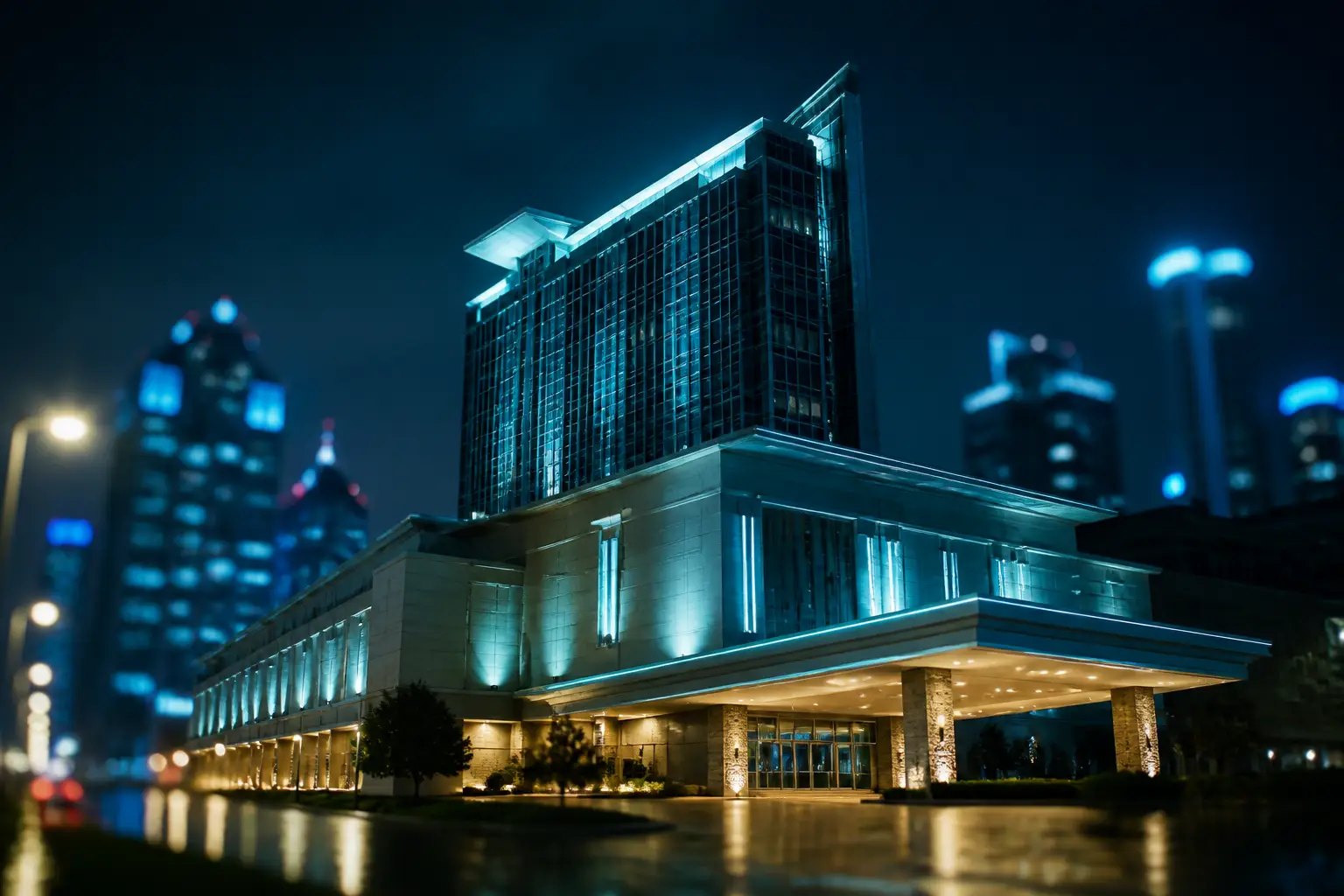
Detroit's MotorCity Casino Hotel Debuts First Phase of $65M Renovation
The iconic Detroit casino hotel has unveiled the first phase of its multi-year, $65 million upgrade, transforming guestrooms into modern mini-suites.