
Wagering on Handcuffs: Polymarket Self-Certifies Arrest Markets in the US
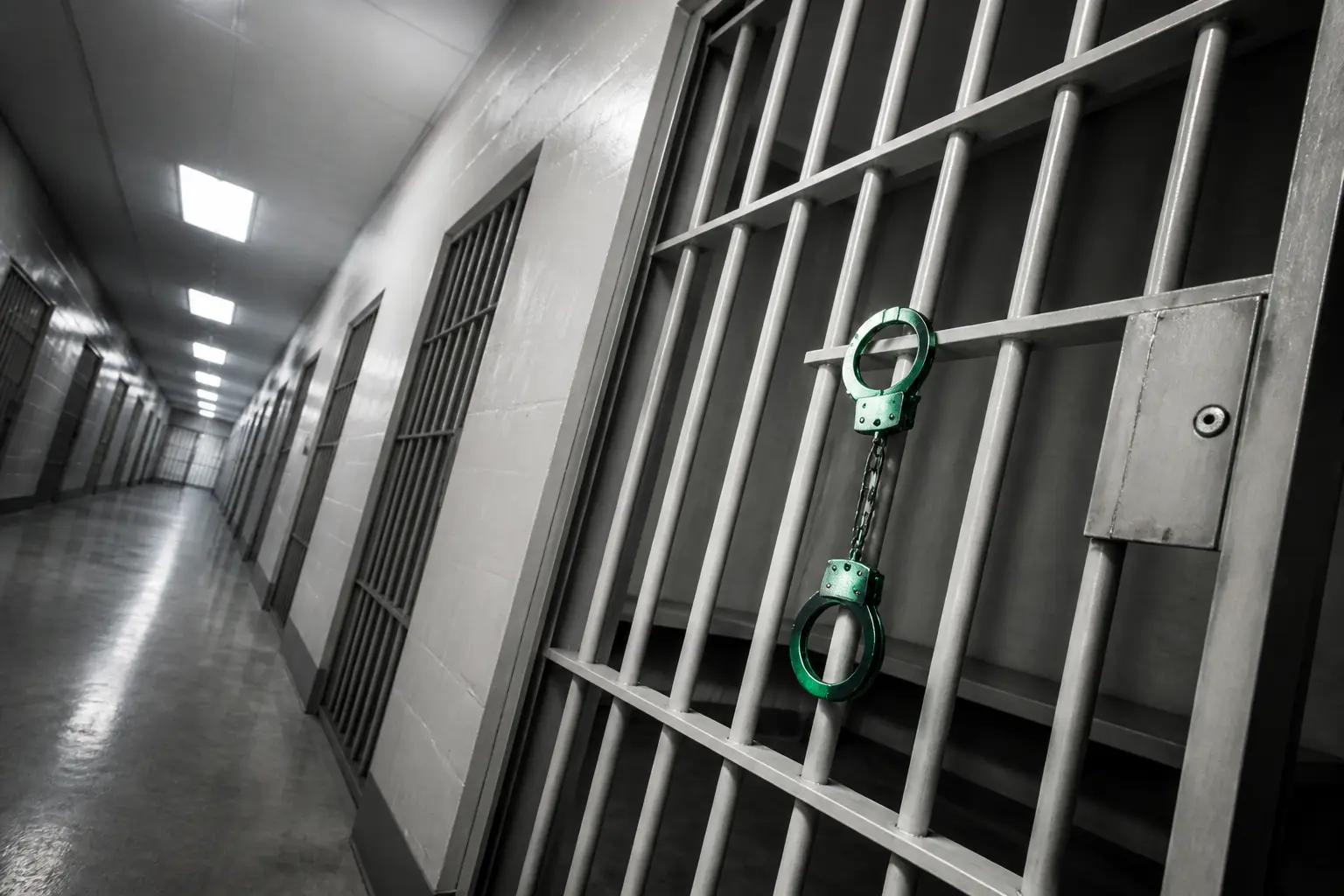
Predictive platform Polymarket introduces contracts for arrests and pandemics. One market for 2027 arrests has already seen over $200,000 in trading volume.
The landscape of prediction markets is evolving into increasingly controversial territory. Polymarket has officially self-certified several new wagering contracts on Tuesday, focusing on high-stakes social events: arrests and the spread of pandemics. This move comes at the same time as the US Congress is hearing testimony regarding the robustness of the certification process for such market instruments. It raises significant questions about the intersection of financial speculation and sensitive public interest matters, especially as these markets move from offshore platforms to regulated US exchanges.
Self-certification allows exchanges to list new products by filing documents with the Commodity Futures Trading Commission (CFTC), asserting that the products comply with the Commodity Exchange Act (CEA). Polymarket is using this mechanism to formalize markets that were previously only available on its international site. These include high-profile arrest scenarios involving political figures such as Benjamin Netanyahu and Barack Obama. The platform also features broader speculative markets, such as a contract on who will be arrested in 2027, which has already attracted more than $200,000 in trades according to the filing documents.
Numbers and facts
The technical definition of a winning wager is strictly outlined in Polymarket's submission. A qualifying arrest requires the participant to be taken into physical custody by an authority within a specific jurisdiction. One of four conditions must be met: the person is criminally booked, taken into custody due to a warrant or indictment, held for arraignment or extradition, or transported to a police station in connection with a criminal arrest. Crucially, simply being charged or interviewed does not trigger a payout. This level of detail is necessary to distinguish these contracts from illegal wagers on criminal acts. While betting on a murder is prohibited because the act itself is unlawful, betting on a judicial outcome or a police action is considered a legal event.
In addition to arrest-related products, the platform is expanding its pandemic disease contracts. Both Kalshi and Polymarket have previously hosted markets regarding the Hantavirus. These contracts allow participants to hedge against or speculate on the spread of diseases. However, lawmakers and regulators remain concerned about the potential for manipulation. There are fears that individuals with inside information from health organizations or those capable of influencing public health outcomes could exploit these markets for financial gain. The House Committee on Agriculture recently session explored these risks, focusing on consumer protection and market integrity in such emerging sectors.
Background
The regulatory battle centers on whether these markets serve the public interest or act as a glorified form of gambling that incentivizes negative behavior. Chris Cylke of the American Gaming Association (AGA) has been a vocal critic, suggesting that the self-certification process is too easy for companies to exploit without sufficient oversight. In contrast, former CFTC general counsel Carl Kennedy told the committee that the process is far from a solo endeavor.
"In practice, self-certification has long operated as a collaborative, iterative process rather than a unilateral act. Exchanges routinely pre-engage with Commission staff on novel products."
Kennedy’s testimony suggests that by the time a one-business-day filing occurs, the exchange has likely spent weeks or months in dialogue with regulators to ensure the product meets legal standards. Despite this, the CFTC is currently revising its rules to provide a clearer definition of "gaming." While many state regulators oppose the inclusion of sports contracts under CFTC jurisdiction, the federal agency seems inclined to allow more diverse event contracts as long as they do not involve underlying unlawful activities.
Why it matters for German players
For residents of Germany, these developments serve as a stark contrast to the local regulatory environment. Under the State Treaty on Gambling 2021 (GlüStV 2021), the scope of legal betting is confined to sports and very specific horse racing events. Predicting arrests or the spread of viruses is strictly prohibited within the regulated German market. German players are protected by a rigorous legal framework that excludes such speculative and ethically questionable markets. Anyone attempting to access Polymarket or similar platforms from Germany would be engaging with an unlicensed operator, which offers no legal protection and carries the risk of having funds seized or accounts blocked.
The Common Gambling Authority of the States (GGL) maintains a whitelist of permitted operators. These legal providers must enforce a 1,000 Euro monthly deposit limit and a 1 Euro maximum stake per spin on virtual slots. Systems like LUGAS (the central cross-operator gambling supervision system) and OASIS (the player exclusion database) ensure that gambling remains a safe leisure activity rather than a speculative financial gamble. For German consumers, the US trend toward "everything-markets" is an interesting global phenomenon but remains legally inaccessible and incompatible with the social responsibility standards of the German gambling law.
What it means for GGL-licensed casinos
Licensed operators in Germany must navigate a market that prizes stability and player protection above all else. While innovation in the US might lead to increased interest in event-based wagering, GGL-licensed casinos and bookmakers are bound by the strict catalog of allowed bets. They cannot compete with the "shock value" of arrest markets or pandemic betting. Instead, their competitive advantage lies in their status as safe, legal havens. The GGL's enforcement against illegal offshore providers is likely to intensify if these exotic markets start attracting German users. For the domestic industry, the rise of Polymarket serves as a reminder of the importance of maintaining high ethical standards to prevent the public backlash that often accompanies unregulated speculative betting in other jurisdictions.
Sources & further reading
- Joint Gambling Authority of the German Federal States (GGL): gluecksspiel-behoerde.de
- Whitelist of permitted online operators: GGL-Whitelist
- BZgA problem-gambling helpline: 0800 1 372 700 (free, anonymous, 24/7)
- Editorial methodology: Editorial guidelines Lustich.de
Gambling can be addictive. Please play responsibly. Help and counselling at 0800 1 372 700 (BZgA, free & anonymous).