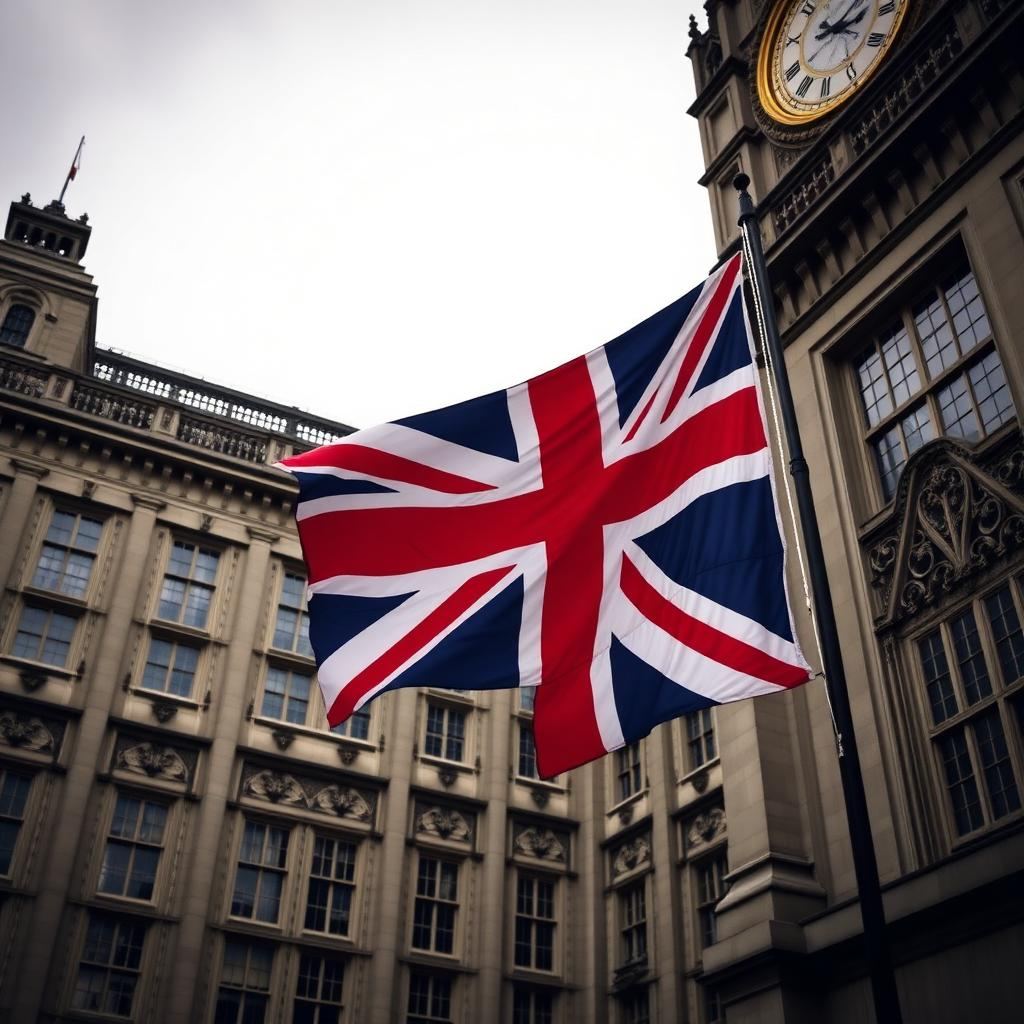
Europe's iGaming Market: A Patchwork of Regulation and Opportunity

Europe’s iGaming market is highly fragmented, with varying growth rates and regulatory frameworks. While the UK recorded a GGY of £7.8 billion in 2024, Germany struggles with an exodus to the black market—up to 47 percent of total activity, according to industry associations.
Europe remains a fascinating yet often misunderstood iGaming market. Beneath the perception of a unified continent lies a mosaic of regulatory regimes, playing cultures, and payment habits that vary sharply from one border to the next. Success here demands a precise understanding of local conditions.
The differences between the so-called Tier 1, Tier 2, and Balkan markets are substantial, making a one-size-fits-all strategy nearly impossible for operators. Instead of assuming a 'single Europe,' gambling companies must adapt their offerings down to the smallest detail—from games themselves to payment options and marketing efforts. Flexibility is the keyword in this dynamic environment, as discussed recently by Zenith manager Vitalii Smoliarenko.
Numbers and facts
Vitalii Smoliarenko, Business Development Manager at Zenith, highlights the considerable differences. He views Tier 1 markets, such as the UK, Germany, and the Netherlands, as highly mature, intensely competitive, and increasingly constrained by stringent regulations, which pressures profit margins. In the UK, total remote Gross Gaming Yield (GGY) grew by 13.1 percent to £7.8 billion in FY2024, with online slots alone generating £4.2 billion.
Germany presents a different narrative. Strict stake controls, fixed spin times, and monthly deposit limits have pushed a significant portion of gaming activity outside the licensed environment. The Joint Gaming Authority of the Federal States (GGL) estimates unregulated activity at around 23 percent of total Gross Gaming Revenue (GGR). However, industry associations, including the German Online Casino Association and the German Sports Betting Association, believe the true figure is closer to 47 percent.
Meanwhile, Tier 2 markets like Slovakia and Poland show impressive growth figures. Slovakia reached €476 million in online GGR in 2024, a 30 percent year-on-year increase. Poland's online casino market remains a state monopoly, but the industry is actively lobbying for liberalization.
Background
Regulation is a central challenge across all three market tiers. In Tier 1 markets, the pressure is largely about managing within established but increasingly demanding frameworks. Germany's 5.3 percent stake tax, for instance, has squeezed marketing budgets to the point where competing with grey market operators on visibility becomes structurally difficult. The Netherlands reported a 10 percent revenue drop in the second half of 2024 following tighter deposit thresholds, with the Dutch regulator noting a 23 percent increase in search volume for illegal operators since the new rules took effect.
This pattern is evident across many Tier 1 markets: stricter regulation compresses headline revenues for licensed operators without curbing underlying demand. Instead, a portion of players shifts to unregulated alternatives when the friction gap between legal and illegal options becomes too wide. This is a problem that tighter enforcement alone cannot solve.
In Tier 2 and Balkan markets, regulatory frameworks are still evolving, creating both opportunity and uncertainty. A legislative amendment in Poland in 2024 unlocked significant potential, but grey market activity still accounts for roughly 50 percent of total activity there. The Balkans are moving towards greater alignment with the formation of the Balkan Gaming Federation in late March 2026, which unites seven national associations from countries like Serbia, Bulgaria, Croatia, Romania, Montenegro, Bosnia and Herzegovina, and North Macedonia. Its goal is to establish shared standards for compliance and responsible gambling. Miloš Lalević, Vice-President of GPIS Montenegro, emphasizes the role of licensed operators in combating the black market:
"Licensed operators should not be viewed as part of the problem – they should be recognized as part of the solution. They are the entities that invest in compliance, responsible gambling programmes, consumer protection, technological innovation and anti-money laundering systems. If governments want to effectively combat illegal gambling, they need strong and competitive regulated markets." - Miloš Lalević, Vice-President of GPIS Montenegro
In Eastern Europe and the Balkans, sports betting dominates in a way unparalleled in Western Europe. Football is not merely a primary acquisition vehicle but is culturally embedded. Live in-play betting is particularly prominent. According to Smoliarenko, operators who lead with casino games in these markets make a strategic mistake. Casino should only follow as a second-phase cross-sell after a relationship has been established through sports betting.
Another critical point is payment infrastructure. Players in each market have specific preferences. While Trustly is often used in the Nordics and Klarna is popular in Germany, local bank transfers and digital wallets are essential in the Balkans. Operators who fail to integrate the right local payment methods can expect a significantly higher deposit abandonment rate.
Why it matters for German players
For German players, the outlined developments mean a segmentation of the market. The strict rules of the Interstate Treaty on Gambling 2021 (GlüStV 2021) aim to increase player protection, for instance, through the 1-Euro stake limit per spin for online slots and the monthly deposit limit of 1,000 Euros into the player account via LUGAS (Cross-State Gambling Supervision System). These measures are intended to minimize the risk of gambling addiction and curb the black market. However, as the numbers show, they often miss their target: a significant portion of players turns to unlicensed offerings, where such protective mechanisms are absent. This is dangerous, as these offerings do not possess a German license and are therefore not supervised by the GGL.
What it means for GGL-licensed casinos
For GGL-licensed casinos, conditions in Germany are challenging. High taxes and regulatory requirements impact profitability and the ability to advertise with attractive offers. They face significant hurdles in competing with unregulated providers who are free from such restrictions. The German regulatory system is one of the strictest in Europe, pushing operators to find creative solutions to remain competitive. The correct integration of player protection measures plays as crucial a role as the technical infrastructure that complies with GlüStV 2021. The GGL strives to make the German online gambling market safe for players. For operators, however, this means treading a fine line between compliance and profitability.
Sources & further reading
- Joint Gambling Authority of the German Federal States (GGL): gluecksspiel-behoerde.de
- Whitelist of permitted online operators: GGL-Whitelist
- BZgA problem-gambling helpline: 0800 1 372 700 (free, anonymous, 24/7)
- Editorial methodology: Editorial guidelines Lustich.de
Gambling can be addictive. Please play responsibly. Help and counselling at 0800 1 372 700 (BZgA, free & anonymous).