
Burnham keeps Lisa Nandy in office: Continuity in UK gambling regulation
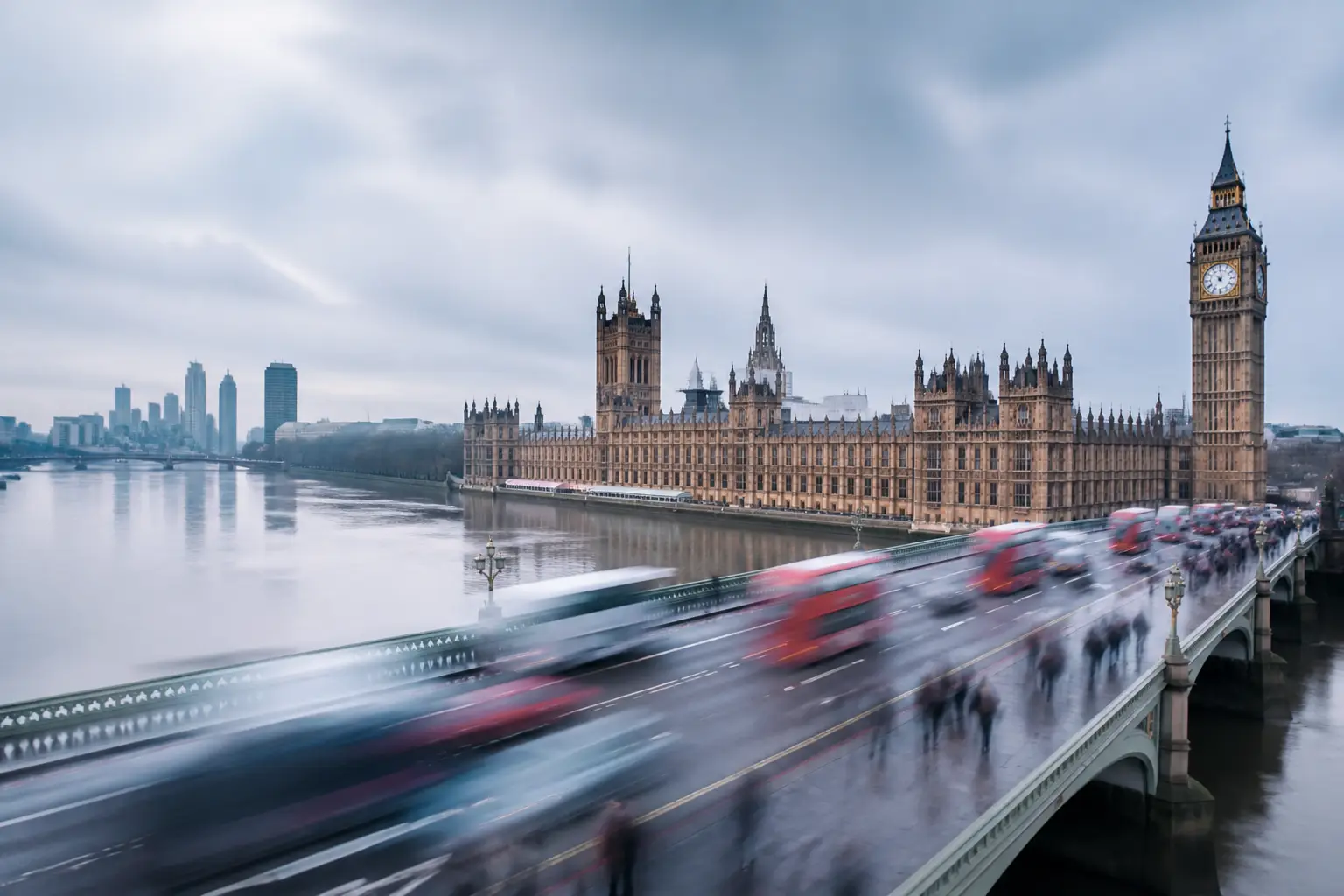
UK gambling regulation under Lisa Nandy sees continuity after Andy Burnham confirmed her reappointment. The Liberal Democrats now only have a 2% chance of winning the next election, according to Betfair Predicts.
After the new British Prime Minister Andy Burnham took office, there is important news for the gambling industry: Lisa Nandy will remain the Secretary of State for Digital, Culture, Media and Sport (DCMS). This decision brings rare stability to a ministry that has experienced significant personnel fluctuations in recent years. Since 2019, the DCMS has had nine different Secretaries of State under several Prime Ministers. My friends in the industry know how important continuity is for planning.
Burnham yesterday, after moving into 10 Downing Street, appointed the first members of his cabinet. Surprisingly, Lisa Nandy was the only cabinet minister confirmed in her previous role. This was probably due to the fact that a new planned agency for local autonomy did not materialise and Nandy was not appointed Education Secretary, a post which went to Lucy Powell. She therefore still has a mammoth task ahead of her with the supervision of gambling legislation.
Numbers and facts
The reappointment of Lisa Nandy, who has led the DCMS since July 2024, signals a period of relative stability. This is in stark contrast to the preceding period, where the DCMS saw frequent leadership changes. Her expanded brief now formally includes digital policy. Burnham's focus is clearly on the economy, taxation, and the social care system, aspects that he emphasised in his first speech as PM. For the gambling sector, this means the DCMS will continue to oversee reforms from the Gambling Act Review, including financial risk checks for customers with net deposits of £150 over 30 days. The department will also finalise the statutory levy on betting operators to fund gambling harm research, prevention, and treatment, a program led by the NHS, the Office for Health Improvement and Disparities (OHID), and UK Research and Innovation (UKRI).
Additionally, the DCMS will be responsible for appointing a new leadership team for the Gambling Commission, as Chairman Marcus Boyle is set to depart in 2025, CEO Andrew Rhodes in May 2026, and Executive Director Tim Miller left last month. According to Betfair trading, Labour's chances of winning the most seats in the next UK election rose to 36% following Burnham's unopposed leadership victory. In contrast, Nigel Farage's Reform UK is at 28%, and Kemi Badenoch's Conservatives at 22%. Betfair Predicts gives Burnham an 81% chance of remaining PM after the next general election. His chances of being replaced as Labour leader in 2026 are 10%, in 2027 at 12%, and 2028 at 24%, before surging to 71% in 2029 or later.
Background
Andy Burnham's ascendancy to Prime Minister marks a shift in UK politics. His agenda prioritises economic stability, taxation, and the social care system. This focus reflects his previous role as Mayor of Greater Manchester, where he also championed regional political devolution. This push for local control could have direct implications for gambling, as it aligns with calls from MPs like Dawn Butler and local councillors for greater local government powers over gambling licensing. Burnham has previously expressed support for such measures, signing a letter with 38 other local officials advocating for more power and an effective reversal of the 'Aim to Permit' licensing rule.
The gambling industry faces a leader who is likely to be sympathetic to reform efforts, rather than industry lobbying. The abolition of the Department for Science, Innovation and Technology (DSIT), established under former Prime Minister Rishi Sunak, and its merger into the new Department for Business, Innovation, Science and Trade (BIST) under Business Secretary Jonathan Reynolds, further underlines Burnham's strategic reorganisation of government departments. This restructuring aims to streamline efforts and bolster productivity and enterprise under a unified business sector.
Why it matters for German players
While this news directly concerns the UK gambling market, it offers insights into global regulatory trends. The UK's approach to player protection, particularly the implementation of financial risk checks and a mandatory levy for gambling harm, sets a precedent. German players accessing UK-licensed platforms, even inadvertently, would be subject to these rules. The focus on local government involvement in licensing decisions in the UK also echoes discussions in other European countries about the decentralisation of regulatory powers. Germany's own Glücksspielstaatsvertrag (GlüStV 2021) is a relatively new framework, and experiences from other regulated markets, such as the UK, can inform future adjustments and improvements.
The GlüStV 2021 already contains strict player protection measures. These include a €1 per spin stake limit, a €1,000 monthly deposit limit, and the LUGAS self-exclusion system. However, the exact implementation and effectiveness of financial risk checks, as planned in the UK, could serve as a valuable model. Germany, with its federal structure, also grapples with how much regulatory power should reside at the federal versus state level. The UK's debate about local control over licensing is consequently relevant.
What it means for GGL-licensed casinos
For online casinos licensed by the German Joint Gambling Authority (GGL), the developments in the UK provide a benchmark for future regulatory innovation and potential challenges. The strict player protection measures in the UK, such as mandated financial risk checks for net deposits above £150 over 30 days, are significantly more rigorous than many current requirements in other European markets. While the GGL already enforces a €1,000 monthly deposit limit and the LUGAS self-exclusion system, the planned UK levy on betting operators to fund harm prevention could spark similar discussions for German operators.
"While Andy Burnham has literally just become Prime Minister, the early signs for Labour on Betfair Predicts are good, punters now make them favourites to win the most seats at the next general election." - Sam Rosbottom, Betfair Spokesperson
This quote from Betfair's Sam Rosbottom highlights the renewed confidence in Labour under Burnham. GGL-licensed casinos are already operating under a very strict regulatory framework, with an emphasis on player protection and responsible gaming. The UK's planned measures, particularly regarding the levy for harm prevention, could be a model for future discussions in Germany. Any moves towards further consumer protection measures in the UK could ultimately influence the broader European regulatory landscape, potentially leading to increased scrutiny and stricter requirements for all online gambling operators, including those in Germany. It means that the trend towards tighter regulation and player protection is not isolated but rather a convergent movement across major European markets.
Sources & further reading
- Joint Gambling Authority of the German Federal States (GGL): gluecksspiel-behoerde.de
- Whitelist of permitted online operators: GGL-Whitelist
- BZgA problem-gambling helpline: 0800 1 372 700 (free, anonymous, 24/7)
- Editorial methodology: Editorial guidelines Lustich.de
Gambling can be addictive. Please play responsibly. Help and counselling at 0800 1 372 700 (BZgA, free & anonymous).