
Gambling Tax to Save Pubs: Andy Burnham's Strict Strategy Against Gaming Centers
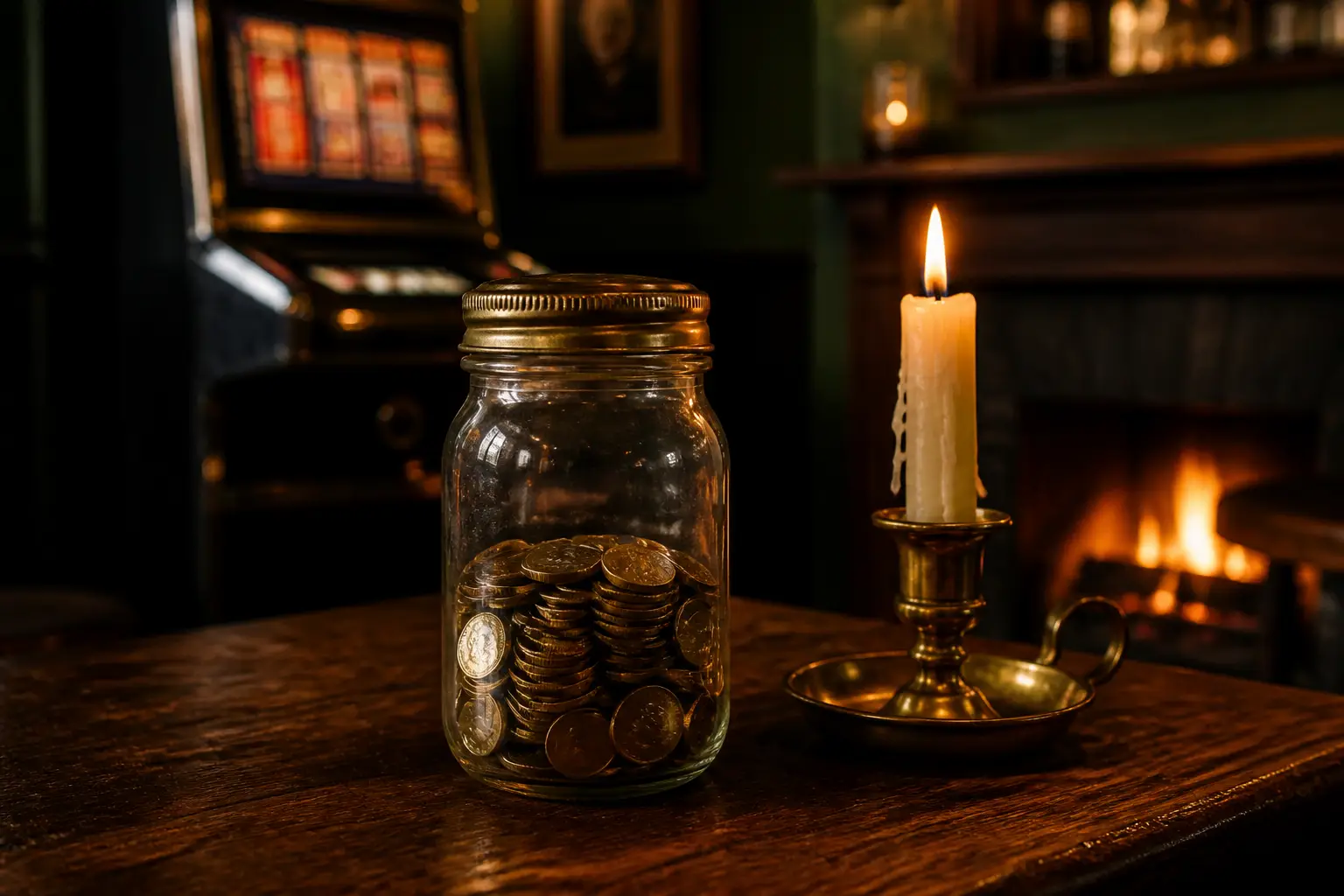
UK Prime Minister plans to raise business rates for Adult Gaming Centers (AGCs) to fund a 100 million GBP relief package for 32,000 small businesses like pubs.
In the United Kingdom, a political storm is brewing for operators of Adult Gaming Centers (AGCs). New Prime Minister Andy Burnham has signaled under the motto - Burnham means business - that the era of low business rates for land-based gambling venues on English high streets might soon be over. Burnham is planning a radical redistribution. Companies that the government considers to have a negative impact on society are to be asked to pay more. The state intends to use this additional revenue to support traditional British pub culture and local music venues, which have been under massive economic pressure for years.
The logic behind this move is as simple as it is controversial: tax relief for the social good, funded by higher burdens on social harm. In addition to vape shops, AGCs are at the top of the list of scapegoats. These gaming venues, which often stay open 24 hours a day, are increasingly perceived by the Labour government as a burden on community life. While bookmakers were spared in previous tax increases, everything now points to the end of that grace period. Burnham wants to create a system that provides incentives for businesses that benefit the community while penalizing those that cause social harm.
Numbers and facts
The dimensions of the planned redistribution are considerable. The Labour government assumes that the restructuring of business rates can generate a support package totaling 100 million GBP. This money is intended to directly benefit around 32,000 small and independent businesses. A 20 percent reduction in business rates is planned for venues that form the backbone of local high streets. This includes traditional pubs, clubs, and live music venues. The necessity for this step is proven by figures from the British Beer & Pub Association (BBPA). According to them, 161 pubs in Great Britain had to close permanently in the first quarter of 2026 alone. This corresponds to almost two closures per day.
The new rates are expected to take effect from April 2027. Already, industries such as retail, hospitality, and leisure (RHL) receive 15 percent discounts on direct bills for business expenses. However, bookmakers and AGCs were already excluded from these benefits in April 2026. Now they face an additional increase in the cost of their locations. Andy Burnham emphasized his position clearly in a media briefing:
"You can’t see all businesses the same. Some do real good in communities. Other businesses can cause social harm. Adult Gaming Centres on high streets can often bring real harm to communities. People will see the vape shops that don’t add much to community life and cause other issues too." - Andy Burnham, Prime Minister of the United Kingdom
Background
Criticism of gaming centers has existed in England for a long time. The think tank Social Market Foundation (SMF) repeatedly warns that these establishments could attract crime and anti-social behavior. A 2025 report using the example of the London borough of Brent showed that residents are skeptical of AGCs. Especially the proximity to financially disadvantaged areas and the 24-hour opening times are seen as a danger for people with gambling addictions. An investigation by the BBC further aggravated the situation when an undercover reporter was able to enter several gaming centers despite being self-excluded. At the time, Andrew Rhodes, the head of the Gambling Commission, reacted with sharp criticism.
Resistance against this generalization is forming within the industry. Greg Knight, CEO of bookmaker JenningsBet, argues against grouping betting shops together with AGCs. He claims that betting shops promote social interaction through seating areas and directly support horse and greyhound racing. AGCs do not do this. Nevertheless, the trend is clear: since April 2026, the tax on online gambling (Remote Gaming Duty) already rose from 25 to 40 percent. General Betting Duty is set to increase from 15 to 25 percent from April next year. Now follows the attack on physical locations via business rates.
Why it matters for German players
For German players who like to place a bet or visit a gaming center while on holiday in England, the offer could shrink noticeably. If operating costs increase massively due to business rates, many locations in less profitable areas will have to close. But the look at England is also a warning for the domestic market. In Germany, regulation by the State Treaty on Gambling 2021 (GlüStV 2021) is already extremely strict. While in England people are only now arguing about 24-hour openings and location density, tough rules like the 1,000 Euro monthly deposit limit via the LUGAS system are already in place here.
Price increases or worse odds are often the result of high tax burdens. Anyone playing in Germany is already restricted by the 1 Euro per spin stake limit on virtual slots. If the state increases the pressure on operators, the attractiveness of legal offers often decreases. This could drive players into the arms of illegal providers who pay no taxes. German politics closely observes such developments abroad. Although a direct earmarking of gambling taxes for social purposes like Burnham's plan for pubs does not exist in this form in Germany, levies often flow into addiction prevention or grassroots sports.
What it means for GGL-licensed casinos
Casinos with a license from the Gemeinsame Glücksspielbehörde der Länder (GGL) are already under high tax and regulatory pressure. The developments in England show that gambling is seen globally as an ideal cash cow for gaping budget holes. For German providers, this means one thing above all: they must emphasize their social responsibility even more clearly so as not to be labeled purely harmful like the English AGCs. The GGL whitelist ensures that providers maintain high standards in terms of player protection and IT security. Only those who strictly adhere to LUGAS and OASIS can survive in this environment in the long term. Anyone sailing against the wind of regulation risks not only their license but also becomes a target for populists who want to sacrifice the industry to save other sectors of the economy.
Sources & further reading
- Joint Gambling Authority of the German Federal States (GGL): gluecksspiel-behoerde.de
- Whitelist of permitted online operators: GGL-Whitelist
- BZgA problem-gambling helpline: 0800 1 372 700 (free, anonymous, 24/7)
- Editorial methodology: Editorial guidelines Lustich.de
Gambling can be addictive. Please play responsibly. Help and counselling at 0800 1 372 700 (BZgA, free & anonymous).