US Politician George Santos Under Scrutiny for Kalshi Trades
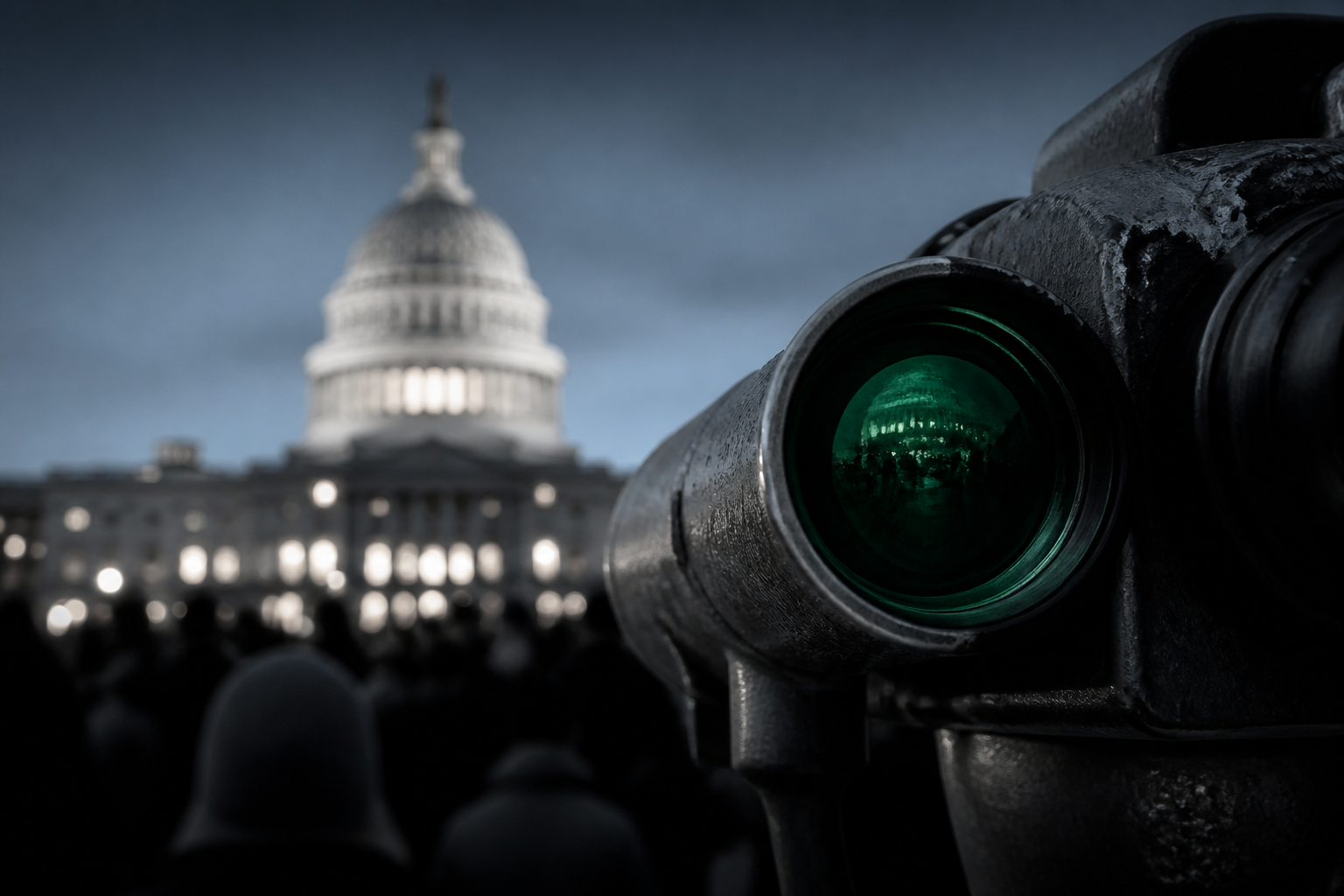
Former U.S. Representative George Santos is reportedly facing federal scrutiny over his trading activities on the prediction platform Kalshi, linked to bets on his attendance at a state address.
Former U.S. Representative George Santos is reportedly facing federal scrutiny over trades linked to his own planned attendance at this year’s State of the Union address. The matter centers on activity on prediction-market platform Kalshi and raises fresh questions about how event contracts can be exposed to information asymmetries.
According to people familiar with the matter, the platform identified the activity, froze the relevant account, and referred its findings to the Commodity Futures Trading Commission (CFTC) and the Department of Justice. Neither agency had publicly announced charges at the time of reporting. Santos disputed that he was aware of an investigation and rejected the allegation.
Numbers and facts
The reported trades concerned a market on whether Santos would attend the State of the Union. He had publicly indicated that he expected to be present, but did not attend the address. That sequence reportedly moved the market sharply after participants had been trading on the outcome. The central allegation is that Santos had taken a position against his own attendance while public communications pointed traders in the opposite direction. If established, such conduct would go beyond an ordinary market view: the outcome would have depended on an action he could personally influence.
The platform is reported to have frozen the account as part of its review and referred the matter to the CFTC and DOJ. Those steps are significant because they place the case at the intersection of a platform’s own market-integrity controls and the remit of public authorities. However, a referral or investigation is not a criminal finding. No public charges connected to the reported Kalshi activity had been announced, and the agencies did not publicly confirm the status of any inquiry.
"I am not aware of an insider-trading investigation." - George Santos, former US Representative
Santos said he was not aware of an insider-trading investigation when contacted about the matter. He later described the accusation as unfounded and said his legal team was seeking clarification from the Justice Department. This response matters for how the story should be read. The reported allegations concern a live, unresolved matter. Any final assessment will depend on evidence reviewed by the relevant authorities and any formal action they choose to take.
Background
Prediction markets turn a defined event into a tradable contract. Their appeal is tied to the speed with which they incorporate information. However, that same feature creates a risk when someone connected to the outcome can act on non-public knowledge or influence the event itself. For platforms, the case highlights the importance of surveillance, account controls, and escalation procedures. For regulators, it illustrates why political and public-event contracts remain a sensitive part of an expanding market. The outcome of the reported inquiry could become an important reference point for how integrity standards are applied to event-based trading.
Why it matters for German players
This case from the U.S. once again highlights the need for robust regulatory mechanisms in the gambling and betting sector. Although the prediction platform Kalshi does not directly fall under the scope of the German Interstate Treaty on Gambling 2021 (GlüStV 2021), German players can draw parallels here. The Joint Gambling Authority of the Federal States (GGL) places great emphasis on player protection and market integrity. Online casinos licensed in Germany must comply with strict requirements. These include a betting limit of 1 Euro per spin on slot machines and a monthly deposit limit of 1,000 Euros. The cross-state gambling supervision system (LUGAS) centrally monitors these limits. The case of Mr. Santos shows how important it is for gambling providers, and especially for regulatory authorities, to prevent any form of manipulation or information asymmetry. While sports betting and online casino games are strictly regulated in Germany, prediction markets like Kalshi do not exist in the same form under the same rules in Germany. German players should always stick to the GGL-licensed white-list providers to ensure maximum security and fairness. This is the only way to ensure that games are not manipulated and payouts are transparent.
What it means for GGL-licensed casinos
For online casinos with a GGL license, a case like George Santos's confirms the strict regulatory approach. German authorities place great importance on the prevention of manipulation and fraud. The system of LUGAS, betting and deposit limits, and the due diligence of providers ensures a high degree of protection. GGL-licensed casinos are subject to continuous monitoring. They must implement mechanisms that detect and report suspicious behavior. This includes not only potential game manipulation but also money laundering and other criminal activities. Transparency and game integrity are cornerstones of the German gambling market. Cases like this underscore the need to maintain and further develop these standards in the future. For casino operators, this means that compliance measures must always be up-to-date and technology must be used to identify risks early. The LUGAS database plays a crucial role in monitoring cross-player transactions and identifying anomalies. A fair and secure gaming environment is the primary goal.
Sources & further reading
- Joint Gambling Authority of the German Federal States (GGL): gluecksspiel-behoerde.de
- Whitelist of permitted online operators: GGL-Whitelist
- BZgA problem-gambling helpline: 0800 1 372 700 (free, anonymous, 24/7)
- Editorial methodology: Editorial guidelines Lustich.de
Gambling can be addictive. Please play responsibly. Help and counselling at 0800 1 372 700 (BZgA, free & anonymous).