Kalshi Expands in US Sports: Partnerships with 5 MLB Teams and The Athletic
 AI-GENERATED
Prediction market operator Kalshi secures deals with major MLB franchises like the Dodgers and Red Sox amid ongoing legal battles in several US states.
The landscape of sports betting and prediction markets in the United States continues to shift rapidly. Kalshi, a leading prediction market operator, launched a significant offensive in the world of professional baseball today. By announcing partnerships with five Major League Baseball (MLB) franchises, the company is cementing its intention to become a central pillar of the American sports ecosystem. The new partners include iconic teams such as the Atlanta Braves, Boston Red Sox, Los Angeles Dodgers, San Diego Padres, and San Francisco Giants. The collaboration with the Red Sox has particularly drawn attention, as the team began promoting Kalshi via social media and subscriber emails as early as last weekend.
In addition to these team-specific deals, Kalshi is actively pursuing a strategic partnership with The Athletic, the sports media outlet owned by The New York Times. Following the expiration of The Athletic’s previous agreement with betting giant BetMGM earlier this year, the publication has been seeking new avenues to monetize its sports data and prediction segments. According to sources, negotiations are in advanced stages, though no final agreement has been signed. This development highlights the trend of prediction markets, where users trade on event outcomes, moving further into the media mainstream despite a regulatory landscape that resembles a legal minefield.
Numbers and facts
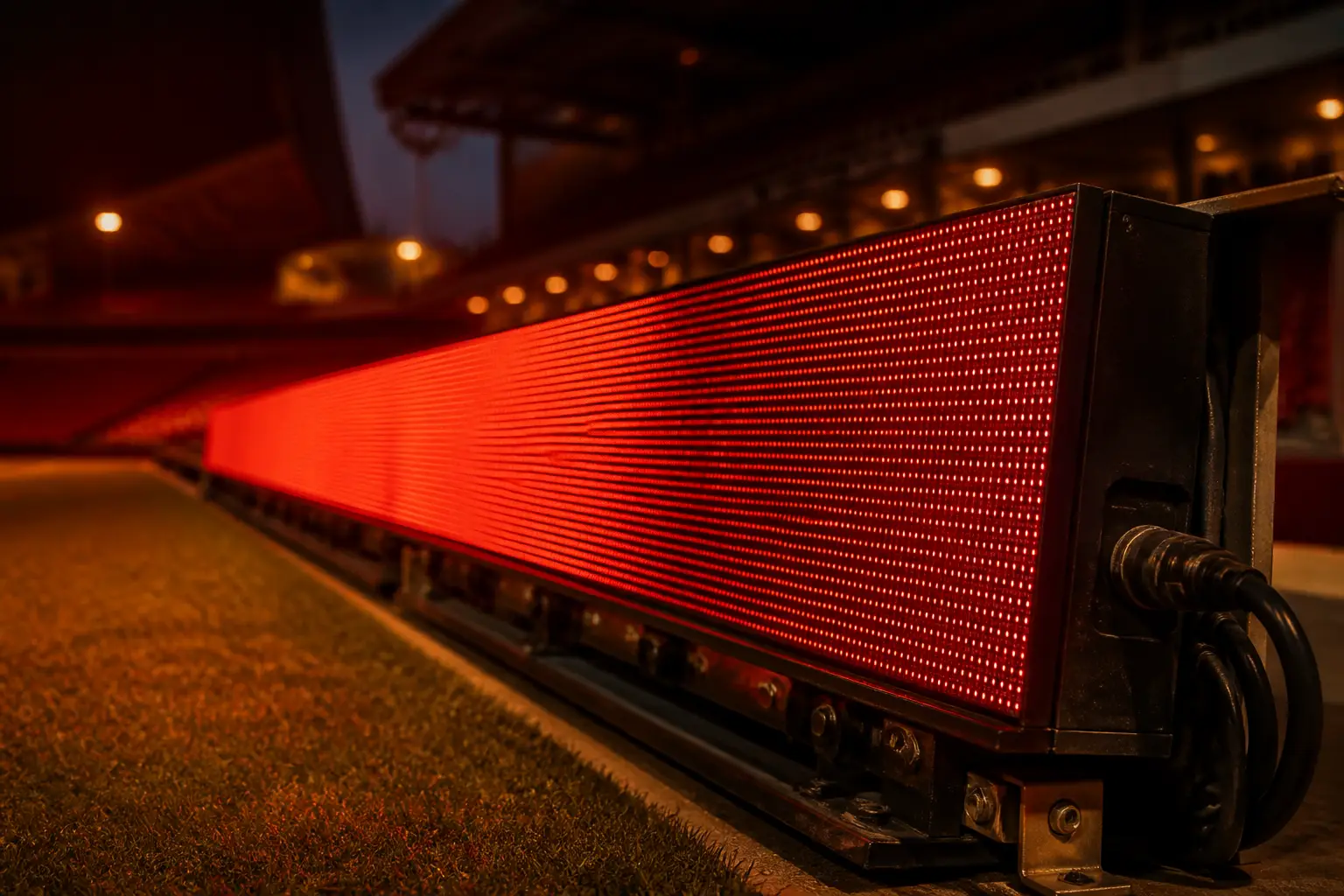
Kalshi’s partnerships are highly specific in their execution. For the Los Angeles Dodgers, the agreement includes Kalshi-branded LED signage throughout Dodger Stadium and grants the platform naming rights to the stadium’s exclusive Gold Glove Bar. Fans will also have access to dedicated on-site activations, such as those in the Centerfield Plaza. While specific financial terms for the Padres, Braves, and Giants remain confidential, Kalshi confirmed that all deals include in-stadium signage, social media presence, and radio and online activations.
One interesting detail is the cautious branding strategy on the Kalshi platform itself. Despite MLB granting permission to use official marks and logos, Kalshi currently lists teams only by their respective cities. In contrast, MLB reached a deal with competitor Polymarket in March 2026, which allows for full branding integration and official data usage from Sportradar. The economic scale of these markets is massive. In New York alone, lawsuits have surfaced referencing a 36 billion dollar volume, underscoring the sheer magnitude of prediction market trading.
Background
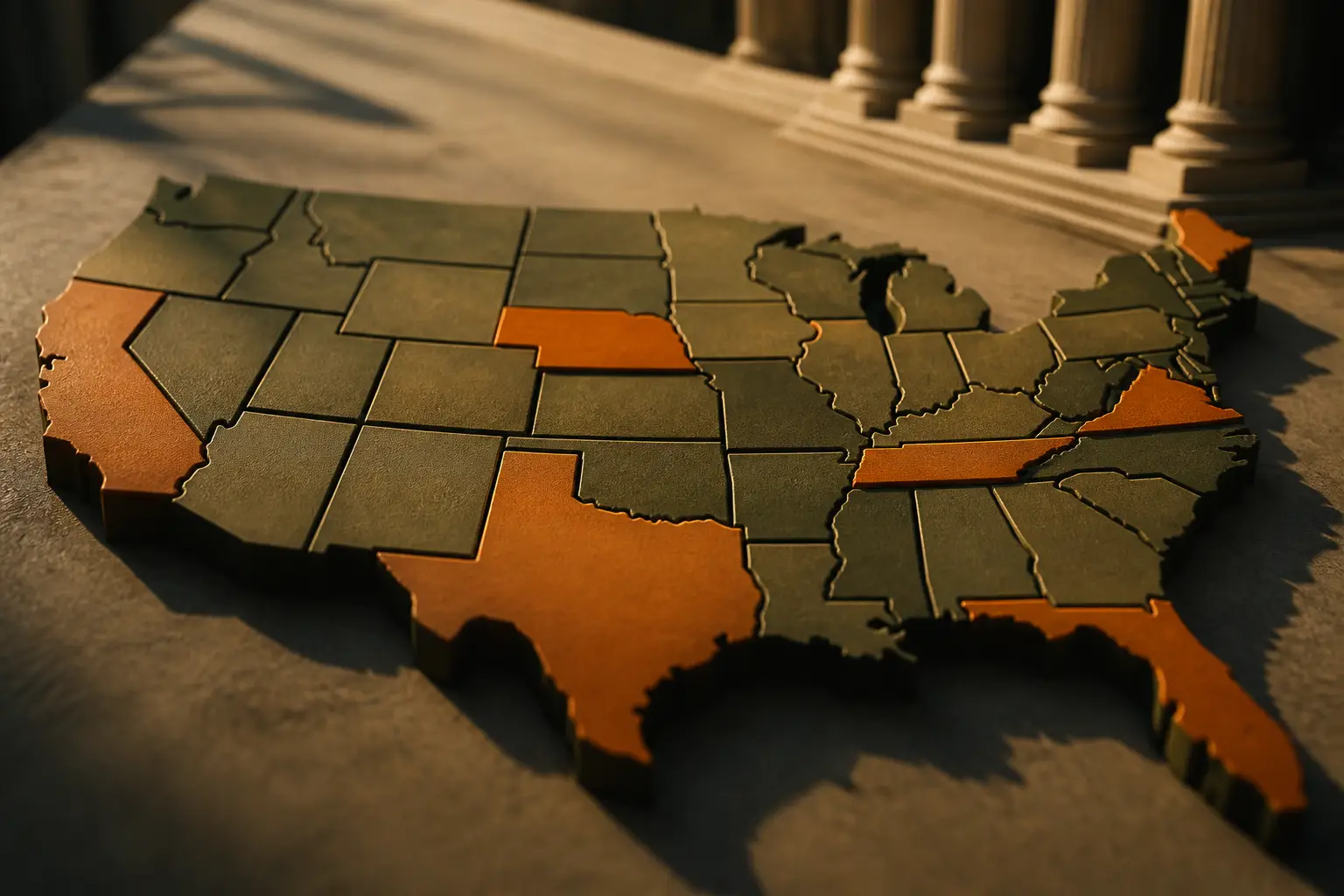
However, Kalshi’s legal status remains precarious. In Massachusetts, Attorney General Andrea Joy Campbell filed suit in September last year. Earlier in 2026, a judge ruled that Kalshi cannot offer sports markets in the state, arguing that such activity requires a traditional sports betting license. Kalshi appealed the decision, and the case is currently before the Massachusetts Supreme Court. For now, Kalshi continues to operate under a stay of the ruling while the appeal is pending.
“The idea is that fans are already engaging with their favorite teams on Kalshi, so it only makes sense to extend that fandom to some of the most beloved baseball teams in America.” - Adam Barrick, Head of Sports Partnerships at Kalshi
Troup Parkinson, EVP and Chief Marketing Officer of the Boston Red Sox, remains undeterred by the legal friction. He emphasized that a shared commitment to innovation makes the partnership a natural fit. Critics, however, view this as a risky maneuver, as the line between financial derivatives overseen by the CFTC and traditional sports betting continues to blur. While the federal CFTC has generally supported the existence of prediction markets under the current administration, individual states are fighting to maintain their jurisdiction over gambling activities.
Why it matters for German players
For German sports betting fans and casino players, these US developments do not have direct legal consequences but serve as a cautionary tale regarding regulatory stability. In Germany, the legal situation is clearly defined by the Interstate Treaty on Gambling 2021 (GlüStV 2021). Prediction markets like Kalshi, which function as financial derivatives on sports outcomes, would not be permitted by the Joint Gambling Authority of the States (GGL) without a strict betting license. Players in Germany must rely on operators listed on the official GGL whitelist to ensure a safe environment.
Strict limits are in place in Germany to ensure player protection: the cross-operator monthly deposit limit is 1,000 euros, and stakes on virtual slots are capped at 1 euro per spin. These limits are monitored via the central LUGAS system. In comparison, US prediction markets appear like the "Wild West," where billions are traded without comparable social safety nets. German players should avoid any platform lacking a GGL license, as these offer no legal recourse and often ignore the player protection standards required by German law.
What it means for GGL-licensed casinos
Licensed German operators can learn from the US example how vital clear regulatory frameworks are. While Kalshi battles various states like Nevada, Washington, and Minnesota, GGL-licensed casinos in Germany enjoy legal certainty as long as they comply with regulations. The cooperation between sports leagues and prediction markets does, however, signal a trend toward the gamification of sports data. German casinos must act carefully, as advertising for sports betting and casino products is heavily restricted under GlüStV 2021 to protect minors and vulnerable individuals. Aggressive sponsorship, such as Kalshi’s deal with the Dodgers, would likely be prohibited in Germany.
Frequently asked questions
What is Kalshi and why is it controversial?
Kalshi is a prediction market platform where users trade on the outcomes of events like sports games. The controversy stems from whether this constitutes financial trading under federal oversight or illegal gambling under state law.
Which teams have partnered with Kalshi?
A total of five MLB franchises have signed deals: the Atlanta Braves, Boston Red Sox, Los Angeles Dodgers, San Diego Padres, and San Francisco Giants.
Is it legal to use Kalshi in Massachusetts?
A judge ruled in early 2026 that Kalshi cannot offer sports markets in Massachusetts. However, because the case is being appealed to the state Supreme Court and a stay was granted, the platform is currently still operating there.
How is Major League Baseball reacting to these platforms?
MLB has cleared the way for team partnerships and even signed an official league deal with competitor Polymarket in March 2026. The league aims to protect integrity by sharing data with the federal regulator CFTC.
Can German players legally use Kalshi?
No, Kalshi does not hold a license from the GGL for the German market. German players should only use operators on the official whitelist to benefit from the legal protections of GlüStV 2021 and mandatory limits like the 1,000-euro deposit cap.
Share
About the author

Lisa Lustich
Editor-in-chief & casino tester
Lisa Lustich has been testing German-language online casinos since 1997 and runs the Lustich.de newsroom. More than 400 published reviews, certified player-protection advisor (BZgA training, 2019).
All articles by Lisa Lustich →Sources & further reading
Whitelist of permitted online operators
Editorial guidelines Lustich.de
BZgA problem-gambling helpline: 0800 1 372 700
 United States
Gambling can be addictive. Please play responsibly. Help and counselling at 0800 1 372 700 (BZgA, free & anonymous).
Related topics
Further Reading
 AI-GENERATED
Poland's State Monopoly Expands: Totalizator Sportowy Launches Spinky.pl
Polish state operator Totalizator Sportowy is launching Spinky.pl, a second online casino brand designed to tackle the 37.6% black market share in the sector.
 AI-GENERATED
Borgata and BetMGM Poker Announce $6M Guaranteed Big, Big Series
BetMGM Poker is celebrating its poker room's first anniversary at Borgata with a massive $6 million guaranteed series this September in Atlantic City.
 AI-GENERATED
Allwyn and McLaren Racing Launch Global Fan Event Series Starting in Athens
Lottery giant Allwyn partners with McLaren Racing for an immersive F1 fan series. The first event kicks off on October 3rd in Athens, featuring legend Mika Häkkinen.