NagaCorp: Growth Forecasts Defy VIP Slump
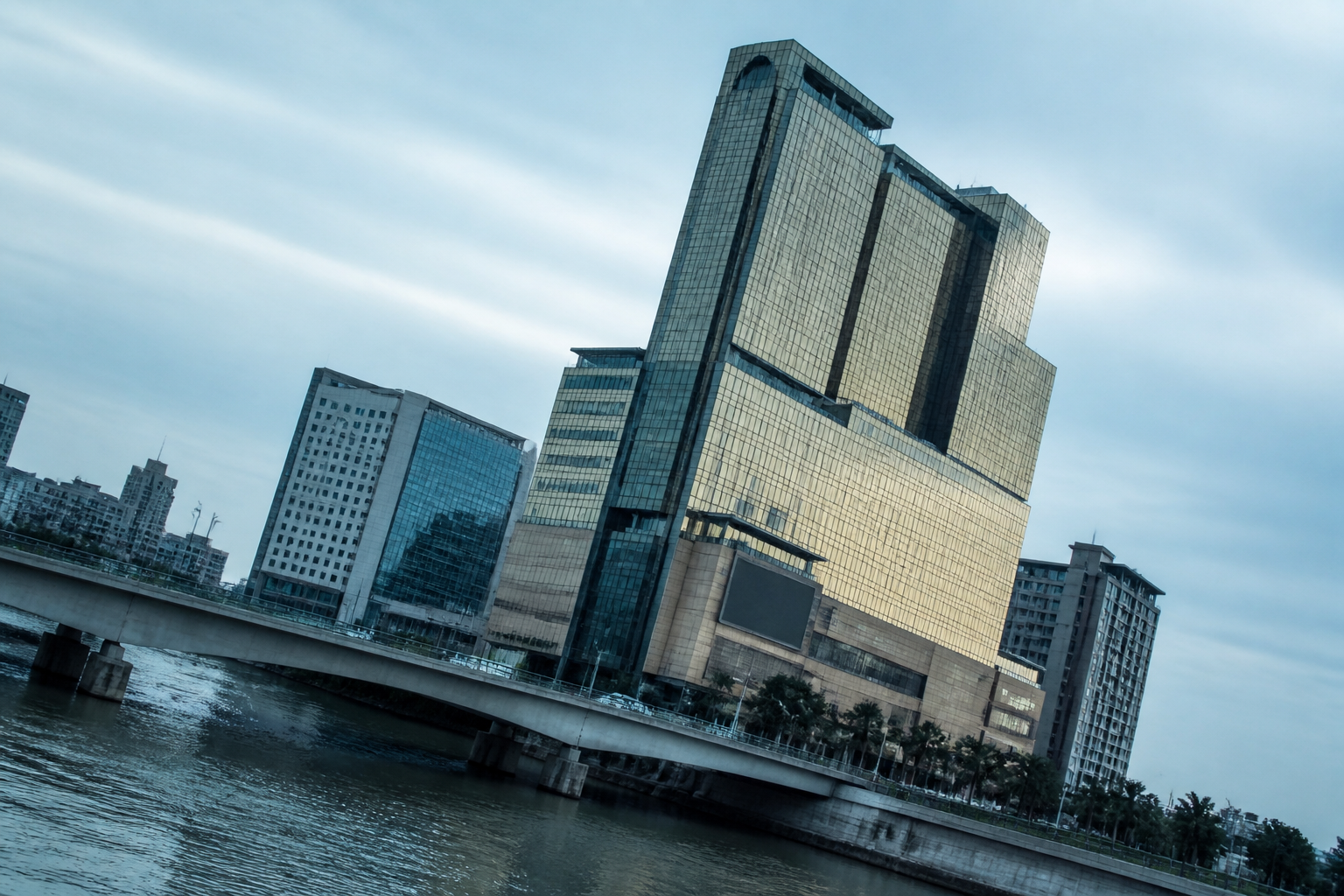
NagaCorp, operator of Cambodia's NagaWorld, is projected to achieve annual adjusted revenue growth of 3 percent to 8 percent until 2027, according to S&P Global Ratings, despite ongoing challenging market conditions.
The recovery of the Southeast Asian gambling industry is slowly gaining momentum, but the aftermath of the pandemic is still clearly visible. NagaCorp, the colossal operator of Cambodia's renowned NagaWorld Resort, is particularly under scrutiny.
S&P Global Ratings has now released updated forecasts predicting moderate but steady growth for the company. It appears NagaCorp is finding new ways to boost its revenues, despite the loss of its once-lucrative VIP business.
Numbers and facts
S&P Global Ratings anticipates in a recent memo that NagaCorp, a Hong Kong-listed casino operator, will achieve adjusted revenue growth of 3 percent to 8 percent in 2026 and 2027. This is a significant assessment. Already in a May commentary, the rating agency had expected earnings growth of approximately 5 percent to 6 percent. The company reported revenue of US$713 million and EBITDA (earnings before interest, taxes, depreciation, and amortization) of US$404 million in 2025. These figures represented only 40 percent and 60 percent of their 2019 levels, respectively. In 2019, revenues were US$1.8 billion and EBITDA US$667 million. A significant portion of this, about 70 percent of gross gaming revenue, came from the VIP segment, primarily generated by so-called junket operators. This segment, it is estimated, is unlikely to fully recover.
As of the end of 2025, NagaCorp held cash balances of approximately US$372 million. Outstanding liabilities included only a US$70 million shareholder loan, due in May 2026. S&P Global Ratings forecasts a debt-to-EBITDA ratio of approximately 0.3x for 2026 and 2027. The company's capital expenditures (Capex) are estimated at about US$170 million in 2026, before increasing to about US$380 million in 2027 for the Naga3 project. Annual shareholder returns are projected at US$100 million-US$120 million. NagaCorp resumed dividends in 2025 with a payout ratio of 30 percent.
Background
A key factor for these forecasts is NagaCorp's robust financial position, bolstered by low leverage and significant cash reserves. The company has managed its cash flows judiciously since 2022, limiting dividends and capital expenditures. Dividend payments were only resumed in 2025. The termination of a shareholder funding agreement for the Naga3 project in December 2025 now allows the company to rescale the US$3.5 billion project. This could be financed primarily through internal cash flows or via external markets.
However, concerns remain regarding future investments and shareholder distributions. The company could pursue aggressive distributions or undertake large-scale investments in Naga3, which could deplete its cash reserves. S&P Global Ratings warns that this could significantly impair the company's credit quality. Under a stressed scenario, Naga's debt-to-EBITDA ratio could approach 3x in 2029 if dividend payouts reach 60 percent and US$650 million is spent annually on Capex.
“Naga’s stronger financial position provides a downside cushion. The company has built a healthy balance sheet anchored by low leverage and a sizable cash balance.” - S&P Global Ratings, Credit Analyst Report
NagaCorp was previously heavily reliant on the VIP segment, largely facilitated by Chinese junket operators. This business model has been severely curtailed following regulatory changes in China and the pandemic. A recovery in this area is likely to remain challenging. However, current forecasts indicate that the company is pursuing alternative growth strategies to fill this gap.
Why it matters for German players
Developments at a casino giant like NagaCorp in Cambodia might seem distant at first glance. However, they reflect global trends in the gambling industry. Whether in Asia or Europe, regulation is changing rapidly. Germany has introduced strict regulations with the GlüStV 2021. Online casinos must now hold a German license from the Joint Gambling Authority of the Federal States (GGL). This includes a deposit limit of 1,000 euros per month and a stake limit of 1 euro per spin for online slots. The central self-exclusion system LUGAS is also an important component of player protection and aims to prevent excessive gambling. These measures aim to create a safe and responsible gaming environment. In contrast, NagaCorp's challenges demonstrate how strongly the market depends on political influence and global economic factors. A regulated market like Germany aims to offer more stability and security. However, the conditions here are so strict that many players continue to resort to offshore providers who circumvent these limits.
What it means for GGL-licensed casinos
For online casinos licensed in Germany, NagaCorp's developments have little direct impact. They are bound by the GGL's requirements. The GGL is working to make the market more attractive and fairer for GGL providers. However, the requirements in Germany are sometimes stricter than in other European countries like Malta (MGA license) or Gibraltar. This means that GGL providers compete with illegal providers who do not adhere to the strict rules. The focus on player protection and transparency remains paramount. Only in this way can trust be built and a sustainable online gambling market be established in Germany in the long term. German regulations aim to prevent extreme dependence, such as that seen with VIP junkets in Asia. However, the GGL must also ensure that it does not over-regulate legitimate providers.
Sources & further reading
- Joint Gambling Authority of the German Federal States (GGL): gluecksspiel-behoerde.de
- Whitelist of permitted online operators: GGL-Whitelist
- BZgA problem-gambling helpline: 0800 1 372 700 (free, anonymous, 24/7)
- Editorial methodology: Editorial guidelines Lustich.de
Gambling can be addictive. Please play responsibly. Help and counselling at 0800 1 372 700 (BZgA, free & anonymous).