Prediction Market Insider Trading: US Authorities Expand Major Investigations
 AI-GENERATED
US federal prosecutors and the CFTC are investigating new insider trading cases on platforms like Polymarket, involving soldiers and analysts with profits exceeding $1 million.
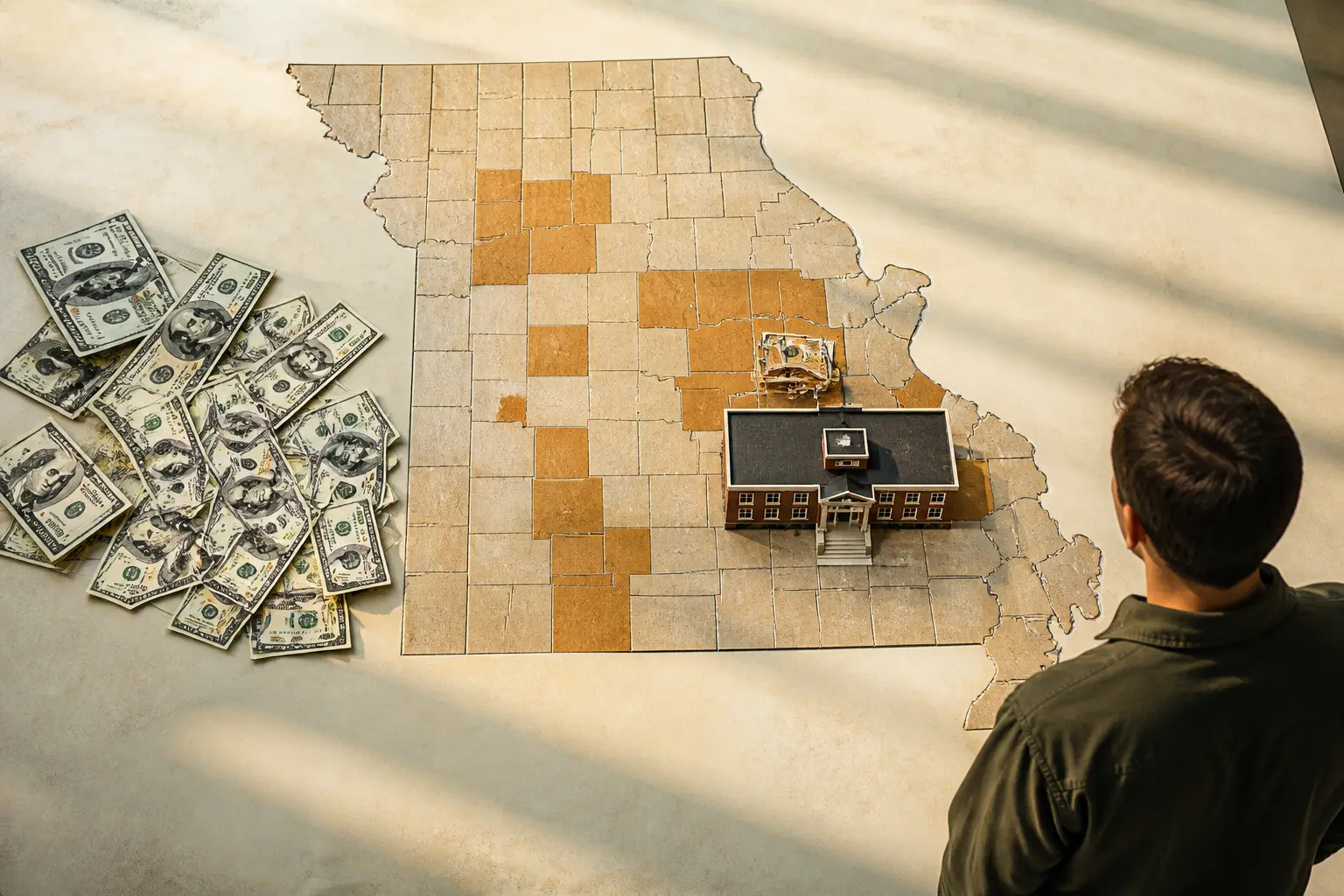
The world of prediction markets, where users wager on the outcome of real-world events, is facing a legal earthquake. Federal prosecutors in Manhattan and Washington, D.C., along with the Commodity Futures Trading Commission (CFTC), are preparing new charges related to insider trading. While these markets were long considered a niche for crypto enthusiasts, the massive trading volumes seen during geopolitical crises and elections have caught the attention of top-tier law enforcement. The investigations no longer focus on isolated incidents but on systematic exploitation of official secrets.
The new cases are particularly explosive as they lead directly into the heart of national security structures. One US service member is suspected of profiting over $1 million on the Polymarket platform by betting on military strikes in Iran and Venezuela. Since such contracts are prohibited on US-regulated platforms like Kalshi, the suspect apparently bypassed restrictions to use Polymarket's international platform, which is officially unavailable to US residents. This raises urgent questions about the effectiveness of geofencing and the control mechanisms of these providers.
Numbers and facts
The scale of the alleged crimes is significant. In the case of Google software engineer Michele Spagnuolo, prosecutors allege he earned approximately $1.2 million by trading contracts tied to Google's most-searched people of 2025. Another case involves US Army soldier Gannon Ken Van Dyke, who allegedly profited over $400,000 using classified information about the potential ouster of Venezuelan President Nicolás Maduro. The political sector is also affected: Gabriel Perez, a former White House teleprompter operator, allegedly used advance knowledge of Donald Trump's speeches to trade over $100,000 in Kalshi contracts.
"Polymarket has become an illicit market to sell and exploit national security secrets unlike any in history." - Richard Blumenthal, Connecticut Senator
Beyond military secrets, corporate data is coming into focus. An employee at the accounting firm KPMG is under investigation for allegedly using non-public information to bet on whether a specific company would beat analyst earnings estimates. Authorities are examining whether classic anti-fraud laws applicable to stock markets can be applied to event bets. Defense attorneys for those already charged dispute this, arguing that these contracts do not legally qualify as swaps or traditional financial derivatives.
Background
The rise of platforms like Polymarket and Kalshi has ushered in a new era of wagering. While Kalshi is registered in the US and subject to strict oversight, Polymarket operates primarily in the crypto space and is officially blocked for US users. However, investigations show that insiders find ways to circumvent these blocks. The problem is exacerbated by the speed of these markets. For instance, former Congressman George Santos allegedly wagered on his own appearance at a State of the Union address while simultaneously posting misleading information on social media.
The legal debate centers largely on the Commodity Exchange Act. Prosecutors must prove that prediction contracts can be classified as commodities or swaps to prosecute insider trading. If courts accept defense arguments that these bets are merely private contracts unrelated to traditional commodity trading, it could collapse the entire US regulatory strategy. This would pave the way for even stricter specific legislation by Congress, as already demanded by representatives like Ritchie Torres.
Why it matters for German players
For German players, the situation is clear but restrictive. Prediction markets like Polymarket or Kalshi do not hold a license from the Joint Gambling Authority of the States (GGL). According to the Interstate Treaty on Gambling 2021 (GlüStV 2021), only sports betting and specific casino games that meet strict requirements are permitted in Germany. These include a monthly deposit limit of 1,000 euros across all providers and a 1 euro stake limit per spin for virtual slots. Bets on political events or military operations are generally not classified as permittable gambling under German law and are therefore illegal.
Anyone participating in such platforms from Germany is operating in a legal gray area or directly violating the prohibition on participating in unauthorized gambling. Furthermore, these platforms offer no protection through the LUGAS monitoring system or the OASIS player blocking file. The current fraud cases in the US also highlight the enormous risk for private investors in these markets: when insiders already know the outcome of bets through exclusive knowledge, regular players have no fair chance of winning. German players should therefore exclusively use providers listed on the official GGL whitelist to ensure legal certainty and player protection.
What it means for GGL-licensed casinos
Licensed German providers must monitor these developments closely as they impact the reputation of the entire digital wagering industry. While GGL casinos and betting providers are regulated through strict identity checks (KYC) and anti-money laundering measures, unregulated prediction markets often draw negative headlines that could lead to calls for even harsher legislation. For German operators, this means they should highlight their compliance standards as a mark of quality. The integrity of the game, currently being questioned in prediction markets, is secured in Germany through state oversight and technical data transmission to LUGAS.
Frequently asked questions
What is insider trading on prediction markets?
Insider trading occurs when individuals place bets on the outcome of events using confidential information not available to the public. Examples include soldiers betting on military strikes or employees who know corporate earnings figures in advance.
Which platforms are affected by the US investigations?
The focus is primarily on the crypto platform Polymarket and the US-regulated platform Kalshi. Authorities are investigating contracts related to military operations in Iran and Venezuela, as well as bets on economic data and political speeches.
How high were the profits in the current cases?
Alleged profits vary greatly: a US soldier reportedly earned over $1 million, and a Google engineer about $1.2 million. In smaller cases, such as former teleprompter operator Gabriel Perez, the amounts involved were over $100,000.
Are political bets allowed in Germany?
No, political bets are not permitted in Germany under the Interstate Treaty on Gambling 2021. The GGL only issues licenses for sports betting, virtual slots, online poker, and, in some states, online casino games.
How does the GGL protect German players from fraud?
The GGL maintains a whitelist of legal providers that must meet strict requirements for fairness, data protection, and player safety. Through systems like LUGAS and OASIS, limits are monitored and vulnerable players are protected, which is not the case on unregulated prediction markets.
Share
About the author

Lisa Lustich
Editor-in-chief & casino tester
Lisa Lustich has been testing German-language online casinos since 1997 and runs the Lustich.de newsroom. More than 400 published reviews, certified player-protection advisor (BZgA training, 2019).
All articles by Lisa Lustich →Sources & further reading
Whitelist of permitted online operators
Editorial guidelines Lustich.de
BZgA problem-gambling helpline: 0800 1 372 700
 United States
Gambling can be addictive. Please play responsibly. Help and counselling at 0800 1 372 700 (BZgA, free & anonymous).
Read this article in 37 languages
Related topics
Further Reading
 AI-GENERATED
Ukraine Launches National Gambling Addiction Strategy Amid War Challenges
The Ukrainian government approves a cross-sector strategy until 2035. Around 75 percent of citizens view gambling as a serious national challenge.
 AI-GENERATED
Switzerland Blacklists Over 3,500 Illegal iGaming Sites in 2026
The Swiss Federal Gaming Board ESBK has expanded its blacklist to 3,567 domains to protect citizens from unauthorized offshore gambling operators.
 AI-GENERATED
Offshore Risk: PointsBet Warns Australian Ad Bans May Empower Illegal Operators
PointsBet CEO Andrew Catterall warns that the Interactive Gambling Amendment Bill 2026, which limits TV ads to three per hour, could drive players to the black market.